
Thriving Thickets: Mastering Opuntia crassa Propagation
Opuntia crassa, also known as the road kill cactus or the wheel cactus, is a unique and resilient succulent that can add a touch of the desert to any garden or home. This sprawling cactus, native to Mexico and the southwestern United States, is surprisingly easy to propagate, allowing you to quickly expand your collection or share its unique beauty with friends.
Understanding Opuntia crassa
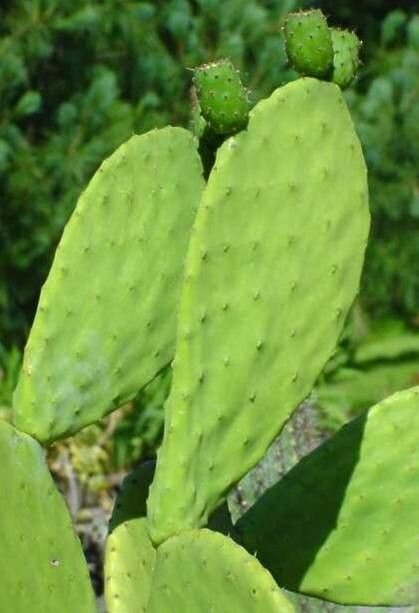
Before we delve into propagation, it’s helpful to understand a bit about this fascinating species. Opuntia crassa is known for its thick, fleshy pads, which are actually modified stems that handle photosynthesis and water storage. These pads are typically spineless or sparsely spined and have a distinctive bluish-green hue. Understanding the structure of the pads will be key to successful propagation.
Two Paths to Propagation
Opuntia crassa can be propagated through two primary methods:
1. Pad Cuttings:
This is the most common and straightforward method. Here’s how it works:
- Choosing the Pad: Select a healthy, mature pad from the mother plant. Ideally, the pad should be at least 6 months old.
- Making the Cut: Using a sharp, sterilized knife or pruning shears, carefully cut the pad at its base where it connects to another pad or the main stem.
- Callusing Over: Allow the cut end of the pad to dry out and callous over. This is crucial to prevent rot. Place the pad in a warm, dry, well-ventilated area for about 1-2 weeks or until a tough, calloused layer forms.
- Planting the Pad: Once calloused, plant the pad upright in a well-draining potting mix formulated for cacti and succulents. Bury about one-third of the pad vertically in the soil.
- Watering: Water sparingly, allowing the soil to dry out completely between waterings. Avoid getting water on the pad itself.
- Rooting: Over the next few weeks, the pad will begin to develop roots. You’ll know roots have formed when you feel resistance when gently tugging on the pad.
2. Seeds:
Propagating Opuntia crassa from seed is less common and requires more patience, but it can be a rewarding experience.
- Seed Collection: Opuntia crassa produces colorful, fleshy fruits. Collect ripe fruits, extract the seeds, and allow them to dry thoroughly.
- Sowing: Sow the seeds in a well-draining seed-starting mix, covering them lightly with soil.
- Conditions: Place the seed tray in a warm, bright location, but out of direct sunlight. Keep the soil consistently moist but not soggy.
- Germination: Germination can be erratic and may take several weeks or even months.
- Transplanting: Once the seedlings are large enough to handle, carefully transplant them into individual pots.
Essential Tips for Success:
- Well-Draining Soil: Opuntia crassa is highly susceptible to root rot in poorly draining soils.
- Bright Indirect Light: While these cacti appreciate plenty of light, direct sunlight, especially during the hottest part of the day, can scorch the pads.
- Be Patient: Propagation takes time. Don’t be discouraged if you don’t see results immediately.
Propagating Opuntia crassa is a rewarding experience that allows you to enjoy the unique beauty of this desert cactus for years to come. With a little patience and the right techniques, you’ll be well on your way to a flourishing collection!