
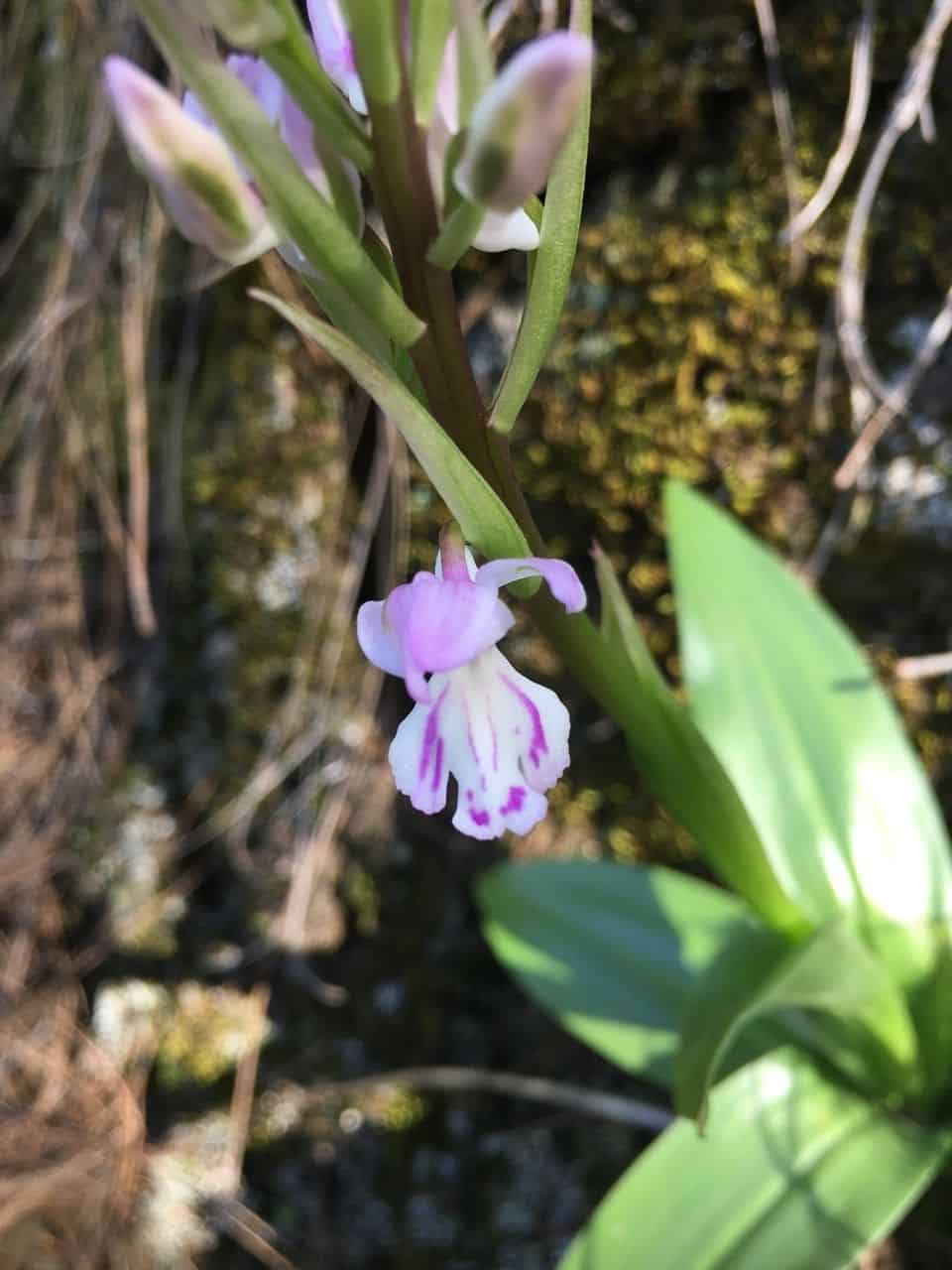
Demystifying Divas: Propagating the Enchanting Orchis canariensis
The Orchis canariensis, with its captivating beauty and unique floral display, is a true gem amongst orchid enthusiasts. However, propagating this Canary Island native can seem as challenging as navigating a labyrinth. Fear not, fellow plant lovers! This article illuminates the path to successfully multiplying your Orchis canariensis, unraveling the mysteries behind its propagation.
Understanding the Challenges
The Orchis canariensis, unlike many commonly cultivated orchids, is a terrestrial species. This means it grows in soil, not perched on trees like its epiphytic cousins. This difference influences its propagation methods, making it impossible to simply take cuttings and expect them to root.
Two Paths to Propagation:
Seed Propagation: A Test of Patience
Propagating Orchis canariensis from seed is a rewarding but long and arduous endeavor. Orchid seeds are incredibly tiny, lacking the energy reserves found in most other seeds. They require a symbiotic relationship with specific mycorrhizal fungi to germinate and grow.
The Process: This method requires sterile conditions and a specialized nutrient medium containing the necessary fungi. Seeds are sown on the surface and kept in a warm, humid environment with indirect light. Germination can take months, and even then, seedlings are delicate and require meticulous care.
- Who Should Try It: This method is best suited for experienced growers or those with access to laboratory-like conditions.
Division: A More Accessible Approach
Division offers a quicker and relatively easier method for propagating Orchis canariensis. Over time, mature plants will develop multiple tubers, which are underground storage organs. These tubers can be carefully separated to create new plants.
The Process: Division is best done during the plant’s dormant period, typically in late summer or early fall. Carefully remove the plant from its pot and gently disentangle the tubers, ensuring each division has at least one healthy growth point. Repot these divisions in a well-draining orchid mix and resume regular watering once new growth appears.
- Who Should Try It: This method is ideal for beginners and anyone looking for a less demanding approach.
Essential Tips for Success:
- Patience is Key: Regardless of your chosen method, remember that propagating Orchis canariensis takes time and dedication.
- Mimic their Natural Habitat: Provide your plants with conditions that mirror their native Canary Islands: bright, indirect light, moderate temperatures, and well-draining soil.
- Don’t Overwater: Overwatering is the enemy of terrestrial orchids. Allow the soil to dry out slightly between waterings to prevent root rot.
- Provide Dormancy: Allow your Orchis canariensis a cool, dry resting period during its natural dormant phase to encourage healthy growth and flowering.
Propagating the captivating Orchis canariensis might seem daunting at first, but with patience, care, and the right knowledge, you too can successfully multiply these floral treasures. Whether you choose the intricate path of seed propagation or the more straightforward route of division, the reward of seeing a new generation of these stunning orchids bloom is a truly fulfilling experience.