
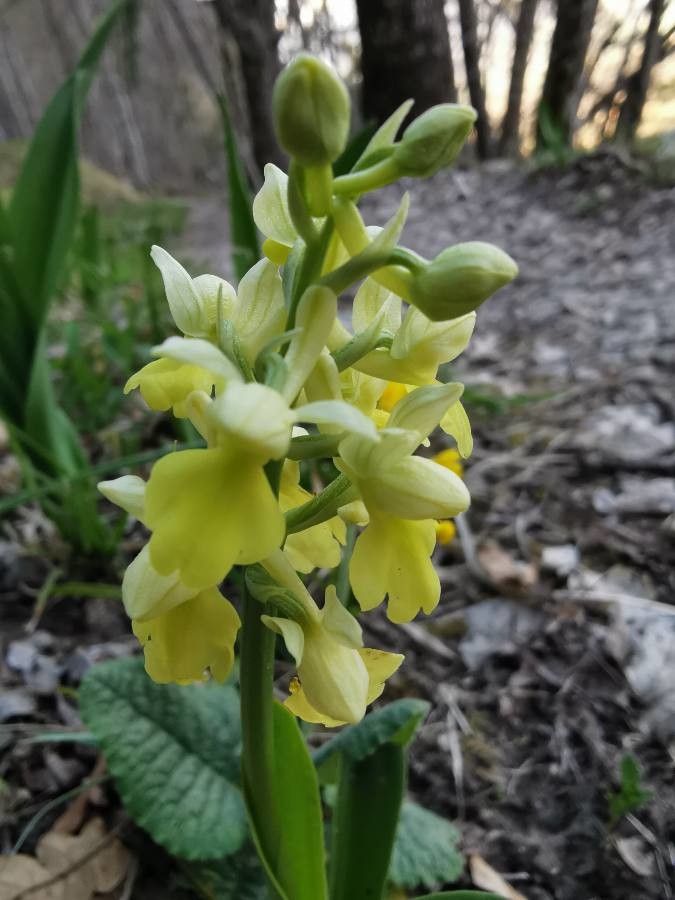
Bringing New Life to the Pale Orchid: A Guide to Propagating Orchis pallens
The Orchis pallens, also known as the Pale Orchid, is a stunning wildflower native to Europe and Asia. Its delicate, creamy-white blooms with a touch of purple, radiating from tall stalks, captivate even the most casual observer. But like many wild orchids, propagating this beauty can seem like a daunting task. Fear not! With the right knowledge and a bit of patience, you can successfully bring new life to this cherished species.
Understanding the Challenge: The Orchis pallens’ Unique Needs
Unlike many popular houseplants, the Pale Orchid doesn’t readily respond to common propagation methods like cuttings or divisions. This orchid possesses a unique life cycle tied to specific mycorrhizal fungi in the soil. These fungi play a crucial role in the orchid’s ability to absorb nutrients, making them essential for successful propagation.
The Two Main Methods for Propagation
- The Challenge: Orchis pallens seeds are incredibly tiny and lack any endosperm (nutritive tissue), making them highly dependent on mycorrhizal fungi.
- The Steps:
- Collect seeds: Gather ripe seed pods from healthy plants.
- Sterilize: To prevent fungal contamination, sterilize the seeds and the growing medium.
- Sowing: Sow the seeds in a sterile, well-draining mix specifically designed for orchids.
- Symbiosis: Introduce the correct mycorrhizal fungi to the growing medium. This can be achieved by using a commercial mycorrhizal inoculant or sourcing soil from a location where Orchis pallens naturally grows.
- Patience: It can take several years for seeds to develop into mature plants.
Division:
- The Challenge: Unlike some other orchids, Orchis pallens doesn’t readily form new plants from divisions.
- The Steps:
- Carefully dig: Locate a healthy, mature Orchis pallens plant in its natural habitat.
- Separate: Gently divide the plant, ensuring each section has a healthy root system and a few healthy shoots.
- Replant: Replant the separated portions in a suitable location with appropriate soil conditions.
A Caveat for Wild Orchids:
It’s crucial to understand the ethical implications of propagating wild orchids. Collecting orchids from the wild can disrupt delicate ecosystems and harm already threatened populations. Therefore, always prioritize responsible propagation practices by cultivating from seeds or procuring plants from reputable sources.
Tips for Successful Propagation
- Simulate Natural Conditions: Mimic the orchid’s natural habitat by providing well-drained, slightly acidic soil with a high organic content.
- Sunlight: Ensure adequate but indirect sunlight, as direct sunlight can scorch delicate leaves.
- Watering: Maintain a consistent moisture level without overwatering.
- Fertilization: Use a balanced orchid fertilizer diluted to half strength during the growing season.
Orchis pallens: A Rewarding Journey
Propagating Orchis pallens is a challenging but deeply rewarding experience. Witnessing these delicate wildflowers bloom, a testament to your dedication and patience, is a true joy for any plant enthusiast. Remember to prioritize ethical practices, embrace the learning process, and be prepared for a long-term commitment. With care and diligence, you’ll soon be nurturing a new generation of these exquisite orchids, contributing to the beauty and diversity of the natural world.