
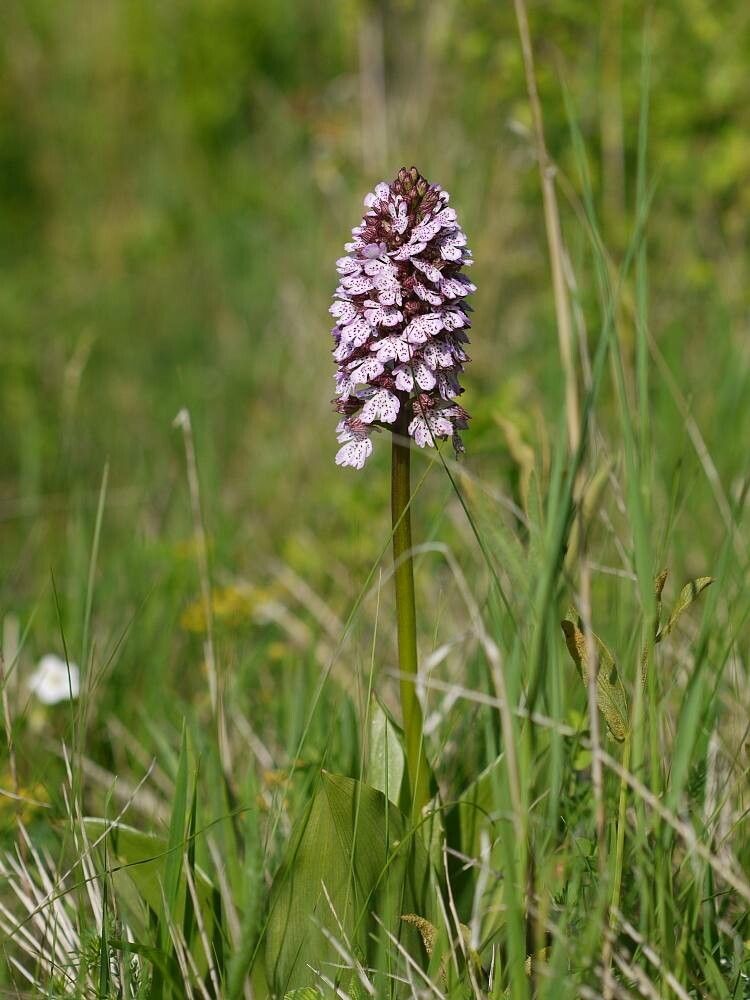
Unlocking the Secrets of Orchis purpurea Propagation: A Guide for the Intrepid Gardener
The Orchis purpurea, more commonly known as the Lady Orchid, is a captivating sight. Imagine tall, elegant stems adorned with densely packed, vibrant blooms ranging from purplish-pink to white, their exquisite patterns a testament to nature’s artistry. But behind this beauty lies a propagation challenge that deters even seasoned gardeners. Today, we delve into the fascinating, albeit complex, world of Orchis purpurea propagation, equipping you with the knowledge to potentially cultivate this botanical gem.
Understanding the Challenge:
Orchis purpurea, like many orchids, rely on a symbiotic relationship with specific mycorrhizal fungi for their survival and propagation. These fungi, present in the soil, penetrate the orchid’s roots, providing essential nutrients in exchange for sugars produced by the orchid through photosynthesis. This intricate dance makes traditional propagation methods like seed sowing or division tricky.
Option 1: The Seed Sowing Adventure (Not for the Faint of Heart):
Germinating Orchis purpurea seeds in a home setting is akin to embarking on a botanical expedition. It requires patience, meticulous care, and a sprinkle of luck. Here’s a glimpse:
- Obtaining Seeds: Source seeds from reputable suppliers specializing in orchids, ensuring they’re fresh for higher viability.
- Preparing the “Soil”: Forget regular potting mix. You’ll need a sterile, nutrient-poor medium that mimics the orchid’s natural environment. A concoction of agar, sugar, and specific nutrients is often used.
- Sowing the Seeds: In a sterile environment, meticulously sow the tiny dust-like seeds onto the prepared medium.
- Patience is Key: It can take weeks, even months, for germination to occur. Maintaining a humid environment and providing adequate light is crucial during this stage.
Option 2: Symbiotic Propagation – Tapping into Nature’s Network:
For those seeking a more “natural” approach, symbiotic propagation offers an alternative. This method involves introducing Orchis purpurea seeds to soil collected from the base of mature Lady Orchid plants, hoping to harness the power of existing mycorrhizal fungi.
- Location, Location, Location: Seek permission to collect a small amount of soil from the root zone of thriving Orchis purpurea in their natural habitat.
- Creating the Connection: Carefully mix this soil with your chosen growing medium and sow the seeds.
- Mimicking Nature: Replicate the natural growing conditions of the Orchis purpurea as closely as possible.
Important Considerations:
- Legality: Always obtain necessary permits before collecting soil from protected areas.
- Ethical Considerations: Minimize disturbance to wild populations by taking minimal soil and leaving the area undisturbed.
- Success Rates: Both seed sowing and symbiotic propagation have low success rates and require patience.
Propagating Orchis purpurea is a journey best undertaken by those prepared for meticulous care and potential setbacks. However, witnessing this magnificent orchid flourish from seed or through symbiotic collaboration brings an unparalleled sense of accomplishment. The journey, though challenging, can be immensely rewarding for the dedicated orchid enthusiast. Just remember, every Orchis purpurea in cultivation started from a single seed – who knows, maybe yours will be next!