
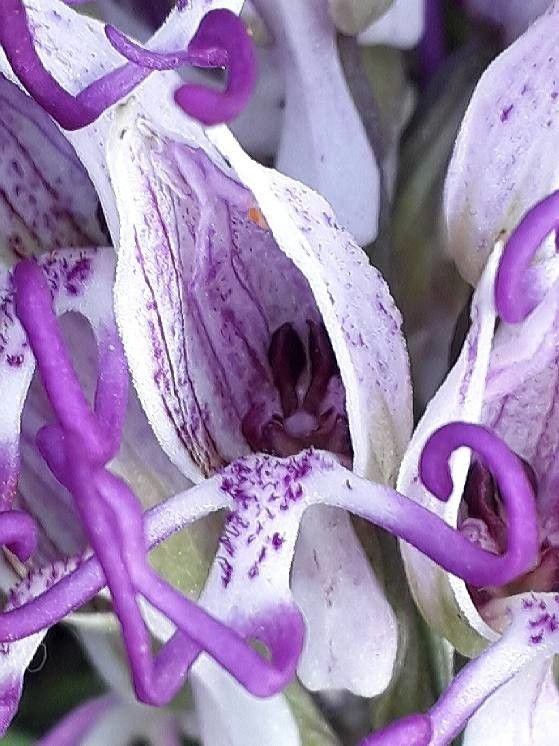
Propagating the Monkey Orchid (Orchis simia): A Gardener’s Challenge
Introduction:
Orchis simia, commonly known as the Monkey Orchid, is a captivating terrestrial orchid prized for its unique and strikingly beautiful flowers. Resembling a small monkey’s face, these blooms are a sought-after addition to any orchid collection. Their delicate beauty and relative rarity contribute to their popularity among orchid enthusiasts, yet propagating this species presents a significant challenge. The unique symbiotic relationship it shares with mycorrhizal fungi during germination plays a crucial role in its propagation difficulties.
Seed Germination:
Currently, there are no known reliable methods for seed germination propagation of Orchis simia without the assistance of its specific mycorrhizal fungal partner. The seeds are dust-like and lack sufficient endosperm to support germination independently. They require the fungus to provide the necessary nutrients and initiate germination. Attempting seed germination without the intricate understanding and access to the specific fungal partner proves largely unsuccessful for the average hobbyist. While research into orchid mycorrhizae continues, replicating this symbiotic relationship in a controlled environment remains extremely difficult.
Cuttings:
Cuttings are not a viable propagation method for Orchis simia. This orchid, like most orchids, does not propagate from stem or leaf cuttings.
Division:
Division is the most practical method for propagating Orchis simia, albeit with limitations. Mature, established plants can sometimes be carefully divided during dormancy (usually late summer or early autumn). However, this method is sensitive. Dividing the plant should be done carefully, ensuring each division possesses a substantial portion of roots and healthy pseudobulbs.
Challenges: Dividing the plant too aggressively can severely stress the plant, leading to failure. The limited number of pseudobulbs per plant also restricts the number of propagules that can be obtained.
Practical Tips: Use a sharp, sterile knife to minimize damage. Handle the plants gently – bruising the roots can be detrimental. Replant each division immediately into a well-draining, specifically formulated orchid potting mix, creating similar growing conditions to the parent plant.
Rewards: Division offers a relatively straightforward method to increase the number of plants, though it’s not suitable for large-scale propagation. It ensures genetic consistency, resulting in plants identical to the mother plant.
Tissue Culture:
Tissue culture offers a potential albeit complex method for propagating Orchis simia. This technique involves growing plant cells in a sterile nutrient-rich medium, and requires specialized equipment and aseptic techniques.
Challenges: Establishing sterile cultures, identifying the necessary growth hormones and nutritional requirements for optimal growth, and preventing contamination are significant challenges. Furthermore, the process is time-consuming, requiring specialized knowledge and expensive equipment.
Practical Tips: This method is best left to experienced tissue culture labs or researchers.
Rewards: Tissue culture, if successful, allows for large-scale propagation and the potential to overcome the mycorrhizal dependency for seed germination, making it perhaps the only potential avenue for broad-scale propagation in future.
Conclusion:
Propagating Orchis simia presents a multifaceted challenge. While division offers a readily available (though limited) approach for increasing plant numbers, challenges remain significant. Seed germination currently proves impractically difficult and cuttings are impossible. Tissue culture holds the greatest potential for large-scale propagation but necessitates specialized knowledge and resources. The difficulties involved only accentuate the unique satisfaction derived from successfully cultivating and propagating this captivating orchid. The rewards of nurturing these delicate plants from division or – in the future perhaps – via tissue culture, far outweigh the hurdles, providing a sense of accomplishment hard to match. Aspiring propagators should be prepared for potential setbacks but persevere, utilizing sterilisation, gentle handling, and appropriate growing media as key to success. The exquisite beauty of the Monkey Orchid remains a fitting reward for the dedicated gardener.