
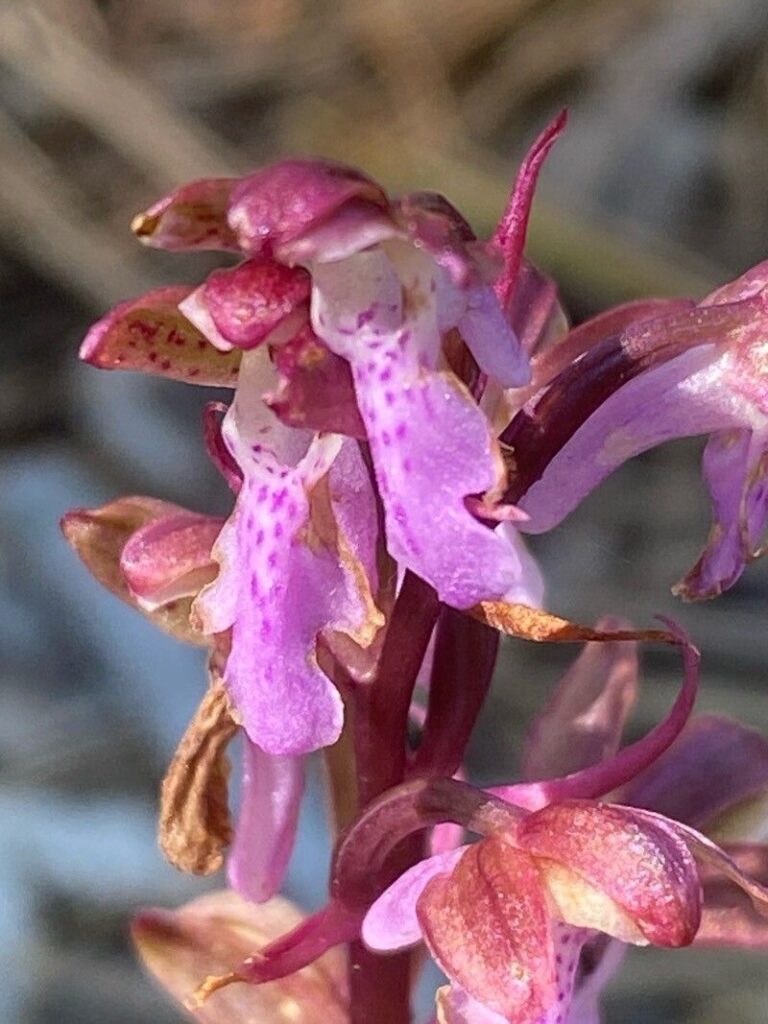
Unmasking the Mystery: How to Propagate the Elusive Orchis spitzelii
The Orchis spitzelii, also known as the Spitzel’s orchid, is a botanical gem coveted by orchid enthusiasts for its delicate beauty and elusive nature. Found in select regions of Europe and Western Asia, this terrestrial orchid boasts vibrant pink to purple flowers arranged on a slender spike, a sight sure to captivate any plant lover.
While acquiring a mature Orchis spitzelii can be challenging, propagating this unique orchid, though requiring patience and finesse, is achievable. Let’s delve into the intriguing world of Orchis spitzelii propagation!
Understanding the Basics
Orchis spitzelii can be propagated through two primary methods:
-
Seed Propagation: This method, while rewarding, demands significant patience as it relies on mimicking the orchid’s natural symbiotic relationship with mycorrhizal fungi.
- Division: This method, best suited for mature, well-established plants, involves carefully separating offshoots or daughter tubers.
The Art of Seed Propagation
Orchis spitzelii seeds are incredibly tiny and lack the endosperm—the food reserve—found in most seeds. This is where the crucial mycorrhizal fungi come into play. In nature, these fungi colonize the orchid seeds, providing essential nutrients for germination and early growth.
Replicating this natural process requires:
- Suitable Media: A specialized orchid seed sowing mix containing a blend of fine bark, sphagnum moss, and perlite, sterilized to eliminate competing fungi, is crucial.
- Mycorrhizal Fungi: You can purchase commercially available mycorrhizal inoculants specifically formulated for orchids.
- Sterile Conditions: Maintaining sterile conditions throughout the sowing and germination process is critical to preventing contamination.
The Procedure:
- Prepare your media and moisten it thoroughly. Sterilize all tools.
- Sprinkle seeds sparingly onto the media surface, ensuring good contact.
- Cover the container with a clear lid or wrap to maintain humidity.
- Place the container in a warm, bright location, out of direct sunlight.
- Germination can take several months to a year, requiring patience and consistent moisture levels.
The Efficiency of Division
Dividing a mature Orchis spitzelii is a quicker propagation method but requires a healthy plant with multiple offshoots or daughter tubers.
Timing is Key: Divide plants during their dormant season, typically in late fall or early winter.
The Process:
- Carefully remove the plant from its pot.
- Gently locate and separate the offshoots or daughter tubers, ensuring each division has sufficient roots.
- Repot the divisions in a well-draining orchid mix suitable for terrestrial orchids.
Nurturing Success
Regardless of your chosen propagation method, replicating the Orchis spitzelii’s native environment is key to successful growth. This entails:
- Bright, indirect light: Avoid direct sunlight.
- Cool to moderate temperatures: These orchids prefer cooler temperatures, especially at night.
- High humidity: Regular misting or a pebble tray can help.
- Well-draining soil: Use a specialized terrestrial orchid mix.
- Dormancy period: Allow the plants to experience a cool, dry dormant period in winter to mimic their natural cycle.
Propagating the Orchis spitzelii is a labor of love, requiring patience and meticulous care. However, the rewards of witnessing the delicate blooms of this rare and exquisite orchid make the journey well worth the effort. So, why not embark on this exciting botanical adventure and try your hand at propagating the captivating Orchis spitzelii?