
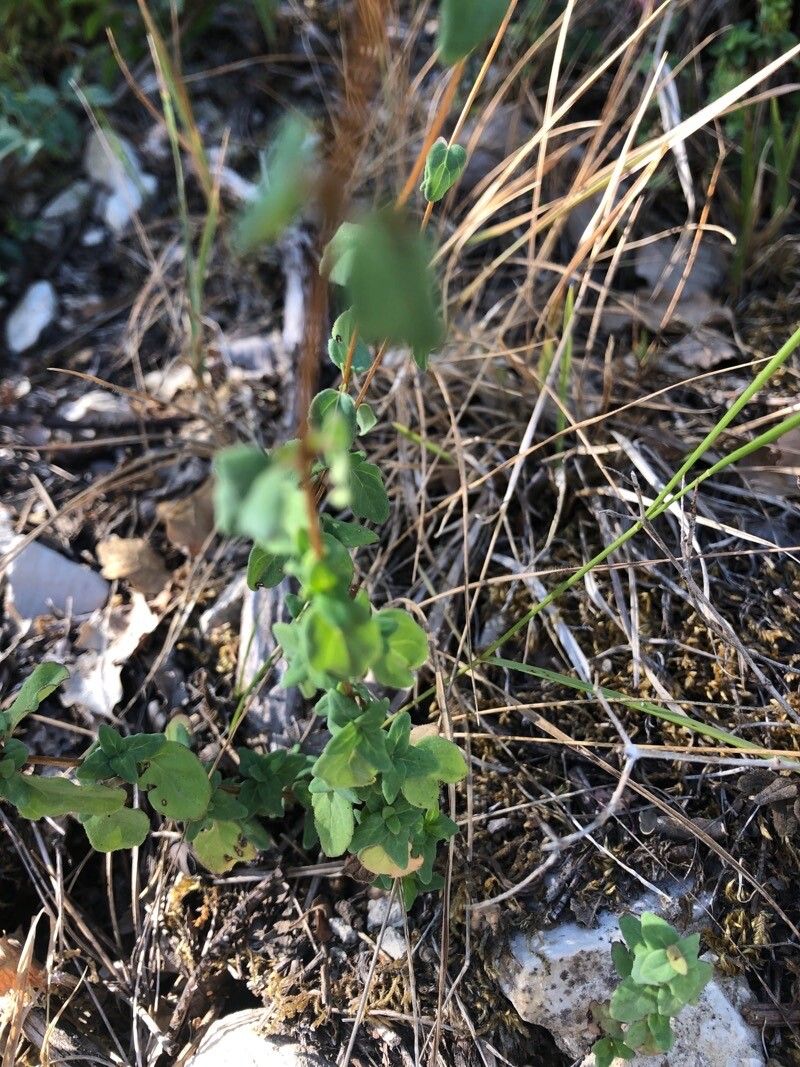
Unlock the Secrets of Propagation: How to Grow More Origanum Libanoticum
Origanum libanoticum, also known as Lebanese Oregano or Za’atar, is a fragrant herb cherished for its unique, earthy flavor and captivating aroma. Beyond its culinary uses, it possesses medicinal properties and adds a beautiful touch to any garden. But what if you could easily grow more of this versatile herb? With the right approach, propagation is a breeze, allowing you to share the bounty of Lebanese Oregano with friends, fill your garden, or even start a small herb business.
Propagation Made Easy: Two Proven Methods
You can enjoy fresh Lebanese oregano year-round by propagating it through two main methods:
- Seed Propagation: This is a straightforward method where you sow seeds directly into the soil or start them indoors.
- Cuttings: A faster way to get established plants, this method involves rooting pieces of stem from existing plants.
Steps to Seed Propagation:
- Sowing Time: While seeds can be sown directly outdoors in warmer climates, starting them indoors provides more control over the environment. The best time for indoor sowing is 6-8 weeks before the last frost.
- Seed Starting Mix: Choose a well-draining, seed-starting mix and fill small pots or trays.
- Sowing the Seeds: Sprinkle seeds on the surface and gently press them into the soil. Don’t bury them too deep, as oregano seeds need light to germinate.
- Watering and Light: Water gently and keep the soil consistently moist. Place the container in a bright location, but avoid direct sunlight.
- Germination: Expect germination in 10-14 days.
- Transplanting: Once seedlings have a few sets of true leaves, gently transplant them into larger pots or directly outdoors.
Tips for Successful Seed Propagation:
- Direct Sowing: If you live in a warm climate, you can sow seeds directly into the garden after the last frost. Space seedlings 12-18 inches apart.
- Temperature: Oregano seeds thrive in temperatures between 70-75°F. A heating mat can help maintain optimal temperature.
- Thinning: Once seedlings emerge, thin them out to allow space for healthy growth.
The Art of Propagation through Cuttings:
- Choose the Right Stems: Select healthy, non-flowering stems from your existing oregano plant. The ideal cuttings are about 4-6 inches long and have at least two sets of leaves.
- Prepare the Cuttings: Remove the leaves from the bottom inch or two of the stem.
- Rooting Medium: Fill small pots or cuttings trays with a well-draining mixture like perlite or vermiculite.
- Plant the Cuttings: Make a small hole in the rooting medium and insert the prepared cutting. Water gently to settle the rooting medium.
- Create a Humid Environment: Cover the cuttings with a plastic dome or bag to create a warm and humid environment. Placing them in a bright location, but out of direct sunlight is ideal.
- Patience is Key: Rooting can take several weeks. Keep the rooting medium moist but not soggy.
- Ready for Transplanting: Once the cuttings show signs of new growth, they are ready to be transplanted into individual pots or directly outdoors.
Enjoying the Bounty of Your Lebanese Oregano:
With both propagation methods, you’ll soon have a thriving patch of Lebanese Oregano. Give your plants plenty of sunlight, spacing, and water to ensure healthy growth. Harvest stems regularly for fresh leaves to use in your favorite dishes.
Beyond the Kitchen:
The benefits of Origanum libanoticum extend beyond flavour. This herb is known for its antibacterial and antifungal properties, making it a valuable addition to natural remedies and herbal teas.
Final Thoughts:
Propagation opens a world of possibilities for enjoying this wonderful herb year after year. Whether you choose seeds or cuttings, the reward of fresh, homegrown Lebanese Oregano is well worth the effort. So, why not give it a try and witness the beauty and benefits of this captivating herb unfold?