
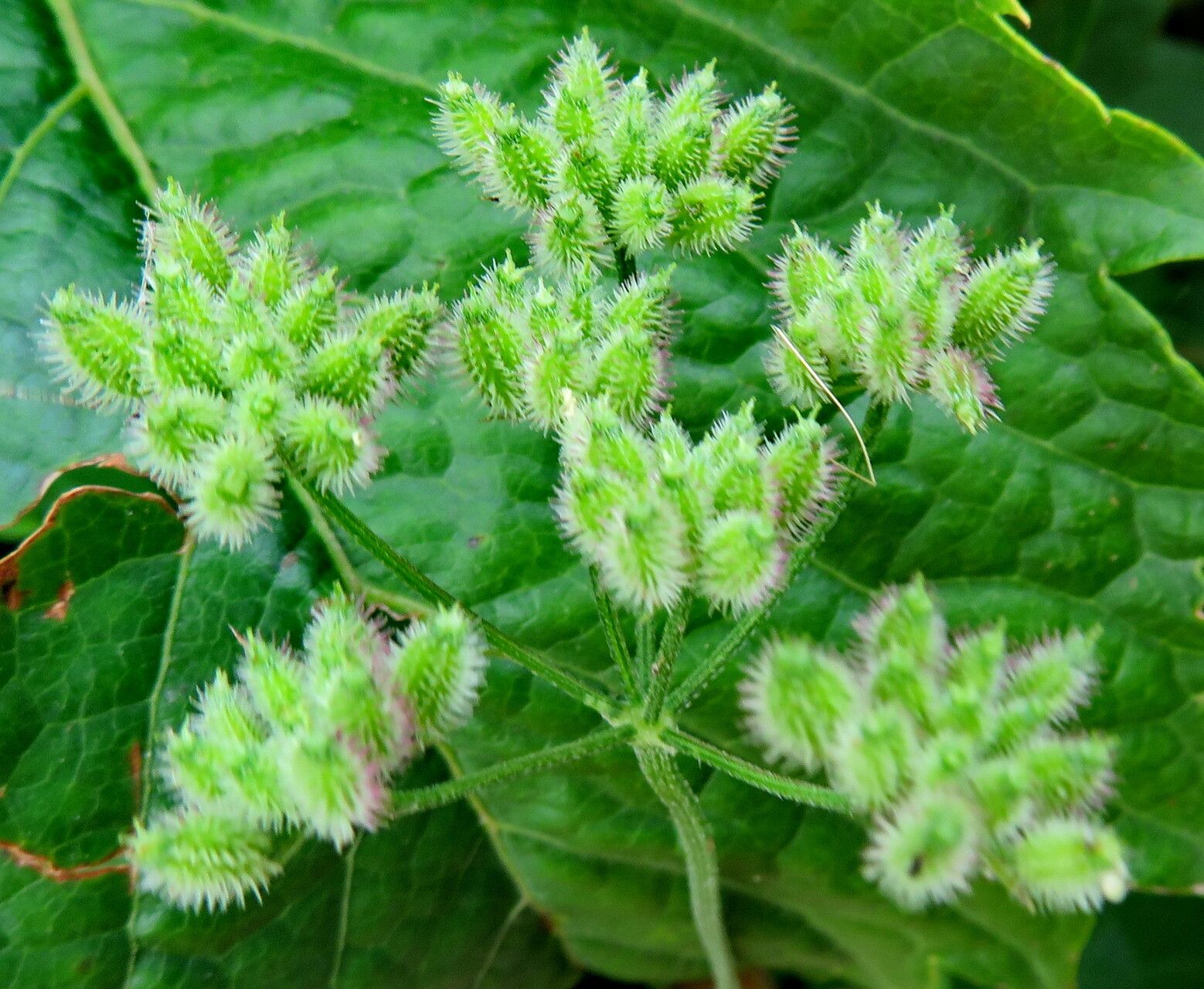
Unleash a Cloud of Lace: Propagating the Exquisite Orlaya Daucoides
The gardening world is brimming with familiar faces, but sometimes, a unique beauty emerges, captivating hearts with its delicate charm. Enter Orlaya daucoides, also known as the white lace flower. This enchanting annual, reminiscent of a whimsical, white Queen Anne’s Lace, brings an airy elegance to gardens, wildflower meadows, and even your favorite vase. If you’re yearning for a touch of ethereal beauty in your own green haven, read on to discover the secrets of propagating this floral masterpiece.
Sowing the Seeds of Enchantment:
The journey with Orlaya daucoides begins with its tiny seeds. Luckily for gardening enthusiasts, this plant thrives on simplicity, readily germinating from seed and rewarding your efforts with a bountiful display.
Direct Sowing: Embracing the Rhythm of Nature (For Warm Climates):
- Timing is Everything: In warmer climates where frost is a distant memory, direct sow your Orlaya seeds after the last frost in spring. They appreciate well-drained soil and a sunny location, tolerating some light shade.
- Gently Does It: Scatter the seeds sparsely on the soil surface, remembering that each seed holds the potential for a delicate flower umbrella.
- A Light Touch: Lightly rake the soil surface to ensure good seed-to-soil contact.
- Hydrate with Care: Keep the soil consistently moist, not soaking wet, until the seedlings emerge, usually within 14-21 days. Thin out any overcrowded seedlings, providing ample space for growth (about 12 inches apart).
Starting Indoors: A Head Start for Spectacular Blooms:
- Timing is Key: Begin sowing indoors 6-8 weeks before your last expected frost date.
- Seeding Success: Use seed starting mix and sow seeds about a quarter-inch deep in individual pots or trays.
- Light and Warmth: Place the trays in a warm, bright location, ensuring adequate sunlight or artificial light.
- Gradual Transition: Once the seedlings develop true leaves and the danger of frost has passed, gradually acclimate them to outdoor conditions before transplanting them to their final location.
Tips for Thriving Orlaya:
- Deadheading Delights: Encourage continuous blooms by removing spent flower heads, preventing the plant from directing its energy towards seed production.
- Self-Sowing Surprise: Allow some flowers to mature and scatter their seeds for a delightful display the following year. These self-sown plants often exhibit even stronger growth.
- Minimal Fuss, Maximum Impact: Orlaya is relatively pest-free and low-maintenance, requiring minimal fertilization.
A Tapestry of Texture and Charm:
Whether gracing your garden borders, adding a touch of whimsy to a meadow planting, or starring in a delicate bouquet, Orlaya daucoides offers an ethereal beauty that’s simply irresistible. With a little patience and these simple propagation tips, you can easily cultivate this lace-like wonder, transforming your garden into a haven of delicate charm and effortless elegance.