
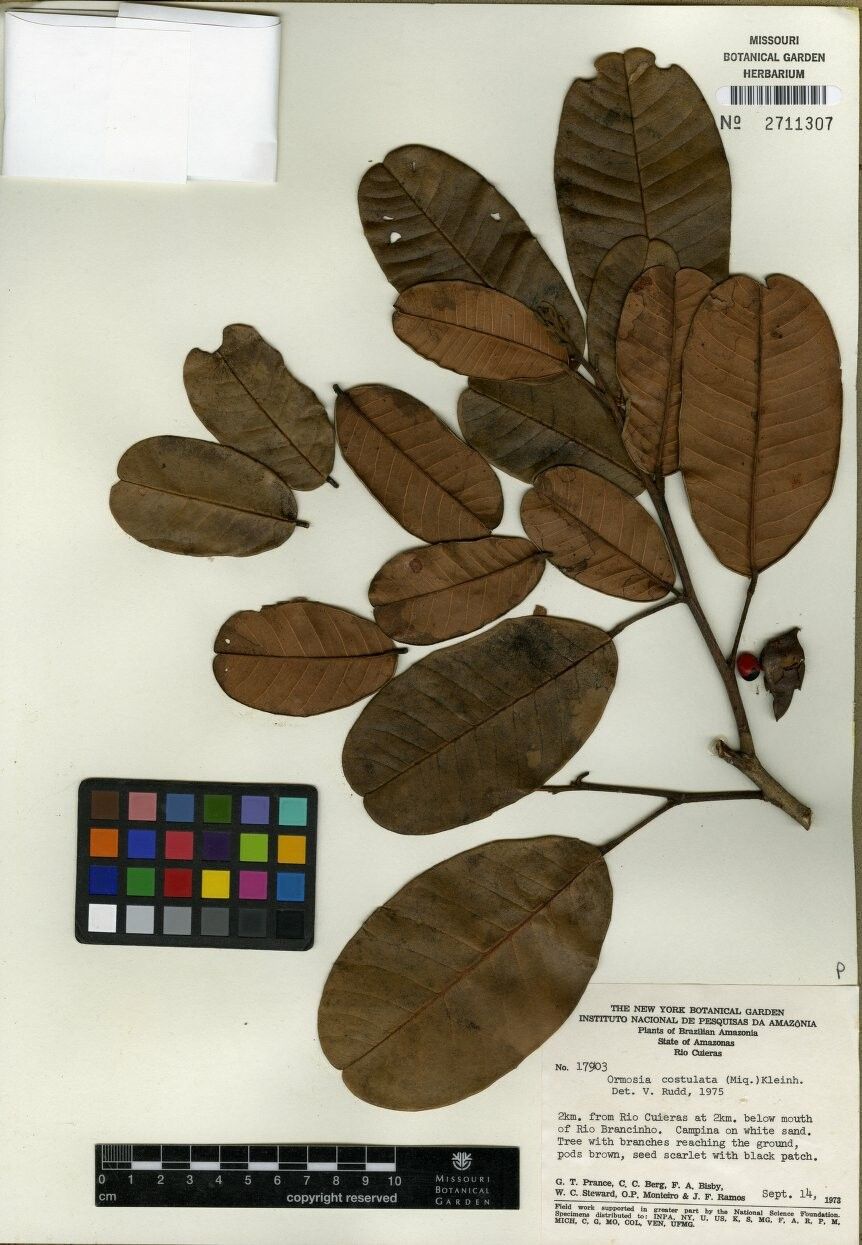
Unlocking the Secrets: Propagating the Exquisite Ormosia trifoliolata
The Ormosia trifoliolata, a captivating tree with its vibrant foliage and unique seed pods, is a treasure coveted by plant enthusiasts. Their striking beauty and resilience are just the beginning of what makes this species so special. But for many, acquiring an Ormosia can be tricky. This is where the art of propagation comes in, allowing you to cultivate your own Ormosia trifoliolata and share its charm with others.
A Deep Dive into Propagation Methods
Ormosia trifoliolata propagation is a rewarding challenge, offering a journey into the fascinating world of plant reproduction. The most popular methods include:
1. Seed Propagation:
Collecting and Preparing the Seeds: The journey begins with obtaining mature seed pods, which you can source from reputable nurseries or harvest from your own Ormosia. Once harvested, remove the seeds from the pods and soak them in water for 24 hours to soften the hard seed coat.
Sowing the Seeds: Filled with a well-draining seed starting mix, seed trays or pots offer a suitable environment for germination. Plant the seeds about 2.5cm deep, ensuring proper spacing. Mist the soil regularly and provide gentle warmth, ideally around 25°C (77°F).
- Germination Patience: Patience is key in seed propagation. While it can take several weeks for germination, the process accelerates with proper conditions. Keep an eye out for the emergence of delicate green shoots, a sign of successful germination.
2. Cuttings Propagation:
Choosing the Right Cuttings: This method requires taking healthy, semi-hardwood cuttings from mature Ormosia trifoliolata plants during their growth season. Select stems that are at least 15 cm long and have a few nodes (points where leaves grow).
Preparing the Cuttings: Using a sharp blade, make clean cuts just below a node, removing any leaves from the lower half of the stem. Dip the end of the cutting in rooting hormone powder to encourage root development.
- Planting and Care: Plant the prepared cuttings in a pot filled with a rooting medium like perlite or vermiculite. Keep the cuttings moist and provide them with bright, indirect light. Regularly check for signs of root growth, indicating a successful propagation.
3. Air Layering:
Targeting a Stem: Air layering is a technique that induces root growth on a stem while it is still attached to the parent plant. Choose a healthy, mature stem and remove a section of bark, about 2-3 inches long.
Root Hormone and Moisture: Apply rooting hormone to the exposed area and cover it with moist sphagnum moss. Wrap the moss with plastic film, creating a humid environment.
- Patience and Success: Over time, roots will form within the moss. Once the roots are established, carefully cut the layered stem below the roots and plant it in a pot filled with a good quality potting mix.
Tips for Success:
- The Right Conditions: Provide your Ormosia trifoliolata with well-draining soil, ample sunlight, and regular watering, avoiding overwatering.
- Protect from Frost: Ormosia trifoliolata are sensitive to frost, so ensure proper protection during colder months.
- Patience and Trial and Error: Propagation can be a learning curve. Experiment with different techniques and adjust your approach to find what works best for you.
More Than Just a Plant:
Ormosia trifoliolata holds cultural significance in various regions. Its seeds are used in traditional medicine, while its wood is prized for its durability and beauty. Growing an Ormosia not only adds a captivating element to your garden but also connects you to its rich cultural heritage.
By mastering the art of propagation, you can unlock the potential of the Ormosia trifoliolata, sharing its beauty and resilience with others. So, don your gardening gloves, gather your tools, and embark on a journey into the world of Ormosia trifoliolata propagation.