
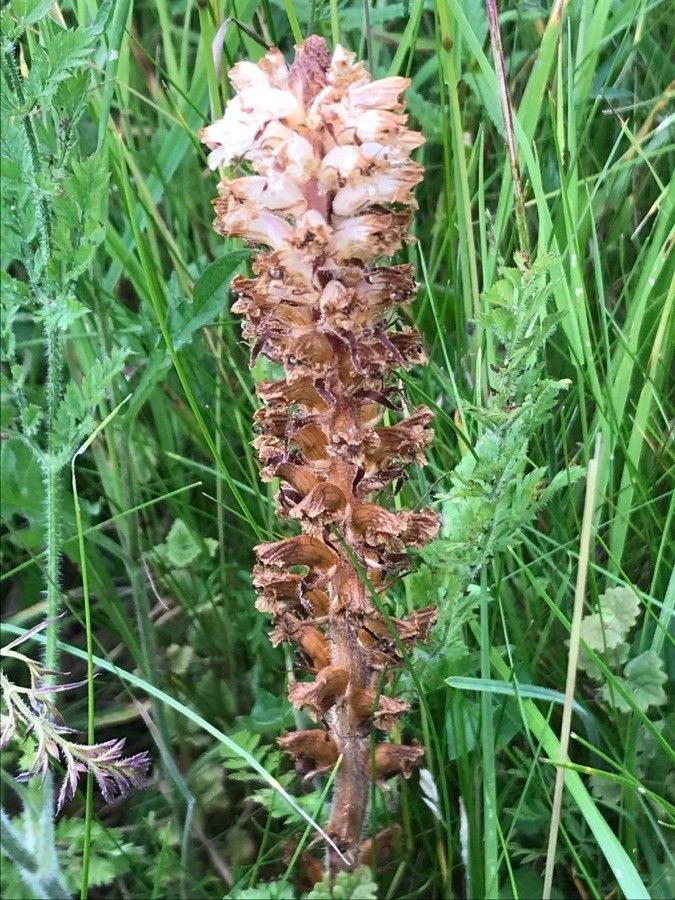
The Parasitic Puzzle: Propagating the Enigmatic Orobanche Elatior
The world of plants is filled with a stunning diversity of life, each species employing unique strategies for survival. Among them are the fascinating, and often misunderstood, parasitic plants. Today, we delve into the intricate world of propagating Orobanche elatior, also known as the Tall Broomrape, a plant that challenges conventional gardening norms.
Unlike most plants we cultivate, Orobanche elatior lacks chlorophyll, the green pigment essential for photosynthesis. This striking characteristic immediately begs the question: how does it survive? The answer lies in its parasitic nature. Orobanche elatior draws its sustenance from the roots of specific host plants, particularly those in the Centaurea family (Knapweeds).
This parasitic dependence makes propagating Orobanche elatior a unique endeavor, requiring careful consideration of both the parasite and its host. Here’s a glimpse into the intriguing process:
1. Selecting the Right Host:
Successful propagation begins with choosing the right host plant. Centaurea scabiosa (Greater Knapweed) is a known preferred host for Orobanche elatior. Ensure your chosen host is healthy and well-established before attempting to introduce the parasite.
2. Acquiring the Seeds:
Orobanche elatior produces minute seeds that are dispersed by the wind. Obtaining seeds can be challenging and may involve sourcing them from specialist nurseries or organizations focused on native plant conservation.
3. Timing is Key:
Timing is crucial for successful parasitism. The ideal period for sowing Orobanche elatior seeds is in the fall. This timing allows the seeds to overwinter in the soil and germinate when conditions are favorable in the spring, coinciding with the active growth phase of the host plant.
4. Sowing the Seeds:
Sow the tiny seeds directly into the soil, close to the roots of the established host plant. Keep the soil consistently moist but not waterlogged.
5. Patience and Observation:
Orobanche elatior seeds have a period of dormancy and may take several months, or even a year, to germinate. Once established, the parasitic plant will remain underground, drawing nutrients from the host, before sending up its characteristic tall, reddish-brown flowering stalks.
A Note of Caution:
While fascinating, Orobanche elatior is considered a parasitic plant and its introduction should be approached with caution. It is essential to avoid introducing it to areas where it could potentially harm vulnerable or endangered plant populations.
Beyond Propagation:
The propagation of Orobanche elatior offers a unique opportunity to study plant-host interactions and the fascinating adaptations of parasitic plants. Understanding these intricate relationships is essential for ecological conservation efforts and for broadening our knowledge of the incredible diversity of the plant kingdom.
Disclaimer: This blog post is intended for informational purposes only and should not be considered a comprehensive guide to propagating Orobanche elatior. Always consult with local experts or relevant authorities before introducing any new plant species to your area.