
The Uninvited Guest: Can You Propagate Broomrape? (Spoiler Alert: It’s Complicated)
You’ve probably heard of plant propagation – the art of creating new plants from existing ones. It’s a wonderful way to expand your garden, share your favorite blooms with friends, and even save money on plant purchases. But what about the pesky “Orobanche leptantha,” more commonly known as Broomrape?
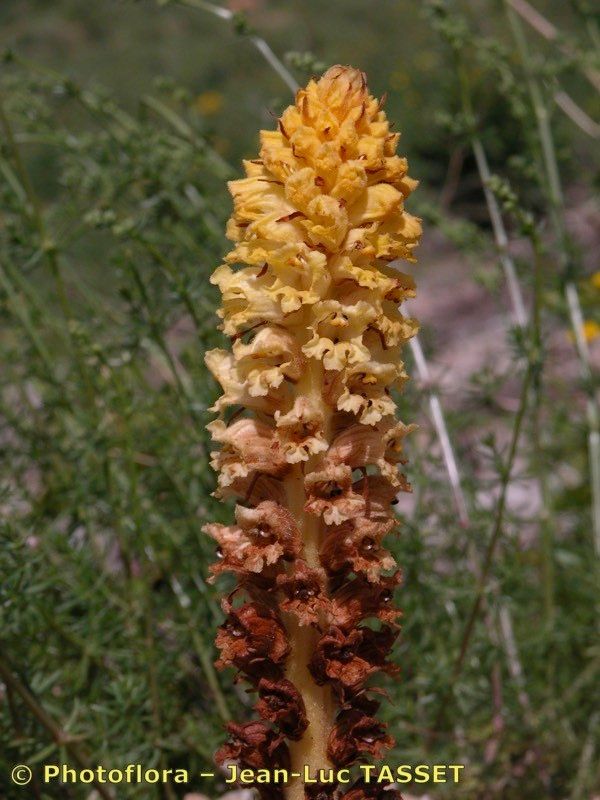
This parasitic plant, with its strange, yellowish flowers, doesn’t play by the same rules. Unlike your beloved roses or herbs, Broomrape doesn’t need soil or sunlight to thrive. It steals its nutrients and water directly from the roots of other plants, effectively making propagation a different beast altogether.
The Root of the Problem
So, can you propagate Broomrape? The answer is a resounding “no”—at least not in the traditional sense. You can’t simply take cuttings or divide its roots like other plants. Broomrape relies entirely on its host plant for survival. It lacks the ability to photosynthesize, meaning it cannot produce its own food.
Instead of spreading through seeds or cuttings, Broomrape relies on a fascinating process called parasitism. Its seeds, tiny and numerous, lie dormant in the soil, waiting for the opportune moment. When the right plant, a host, is nearby, the Broomrape seed senses its presence and germinates.
The process takes a special turn here. Instead of developing roots that anchor it to the soil, Broomrape’s seedling develops a structure called a “haustorium.” This haustorium attaches itself directly to the host plant’s roots, creating a connection through which the parasite draws its life-giving resources.
A Cycle of Dependence
Once attached, Broomrape can produce its own flowers, further spreading its seed and perpetuating the parasitic cycle. This makes it a challenging foe for gardeners, as its life cycle is deeply intertwined with its host.
So, What Can You Do?
Preventing Broomrape propagation is crucial. While you can’t cultivate it intentionally, you can break the cycle:
- Identify and Remove: Early detection is key. Remove Broomrape plants as soon as you see them. The best approach is to dig them out, including the roots. Be sure to dispose of them properly to prevent further spread.
- Reduce Host Plants: If you have known susceptible host plants (like tomatoes, sunflowers, or legumes), consider rotating crops or choosing resistant varieties.
- Clean Tools: Always sanitize your gardening tools to avoid the spread of Broomrape seeds.
A Bit of Hope
Although Broomrape can be persistent and difficult to eradicate, there are strategies for managing its presence. However, understand that due to its parasitic nature, propagating it is not possible in the same way it can be done with other plants.
While Broomrape may seem like a frustrating challenge, the key is to learn to recognize it, prevent its spread, and seek help from experts if necessary. After all, a healthy garden is a happy garden, and keeping unwanted guests like Broomrape at bay is crucial to ensuring its continued success.