
Propagating Orobanche ludoviciana: A Challenging but Rewarding Endeavor
Introduction:
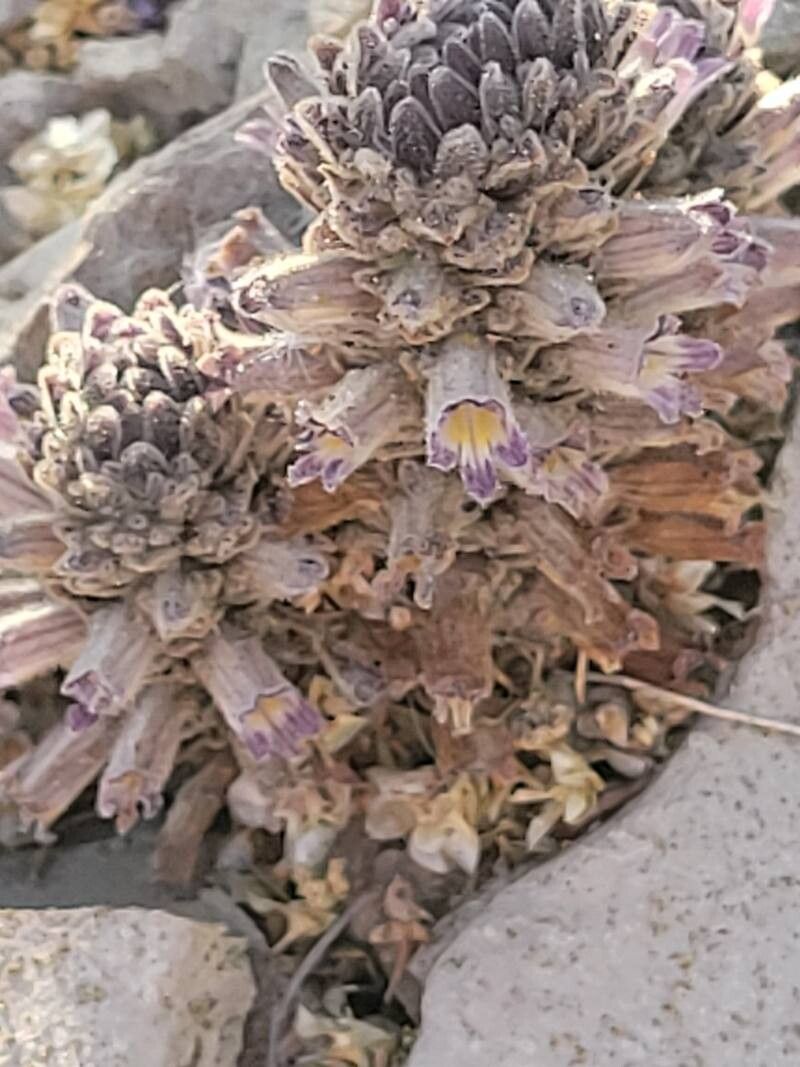
Orobanche ludoviciana, also known as Louisiana Broomrape, is a fascinating, albeit challenging, plant to cultivate. This parasitic plant, unlike most garden denizens, doesn’t photosynthesize. Instead, it derives its nutrients from the roots of other plants, typically legumes. Its unique biology, coupled with its unusual appearance – pale, scale-like leaves and fleshy, often purplish stems bearing spike-like flowers – has garnered a small but dedicated following among botanists and specialist gardeners fascinated by unusual plants. Propagating Orobanche ludoviciana is not for the faint of heart, however, presenting unique challenges that many other plant species don’t pose.
Seed Germination:
Currently, there are no known reliable methods for seed germination propagation of Orobanche ludoviciana. The seeds of broomrapes, including Orobanche ludoviciana, are notoriously difficult to germinate. This is largely due to their highly specific germination requirements, often involving the presence of host plant chemicals called strigolactones released by the roots of their host plants. Reproducing these conditions in a controlled setting has proven extremely challenging, hindering efforts to propagate this species from seed.
Cuttings:
Currently, there are no known reliable methods for propagating Orobanche ludoviciana from cuttings. The parasitic nature of the plant makes it entirely dependent on its host for sustenance. Severing a cutting from the host plant immediately deprives it of its necessary nutrient supply, rendering it unable to survive.
Division:
Currently, there are no known reliable methods for propagating Orobanche ludoviciana through division. Like cuttings, division necessitates separating the plant from its essential host connection, resulting in the death of the divided portions.
Tissue Culture:
While tissue culture presents a possibility for propagating other challenging plants, its application to Orobanche ludoviciana remains largely unexplored. The unique parasitic biology of this plant presents significant challenges for developing successful tissue culture protocols. The need for specific host-derived nutrients makes in-vitro cultivation extremely complex and potentially costly. Further research is needed to explore the viability of tissue culture for propagating this species.
Conclusion:
Propagating Orobanche ludoviciana presents formidable challenges across all conventional methods. The plant’s obligate parasitic nature, coupled with the complexities of its germination and nutritional requirements, makes successful propagation exceptionally difficult. While seed germination and other traditional methods have proven unreliable to date, the potential for tissue culture remains an area for further investigation.
Despite the difficulties, the unique satisfaction derived from successfully cultivating this unusual species should not be understated. The sense of accomplishment that comes from overcoming these horticultural hurdles is immensely rewarding. For those drawn to the challenge, the journey of attempting to propagate Orobanche ludoviciana is a testament to perseverance and a fascinating exploration of the intricacies of plant biology. While currently, success remains elusive for many propagators, future research may uncover more promising techniques, opening new avenues for the cultivation of this captivating plant.