
The Tricky Truth: Can You Propagate Broomrape?
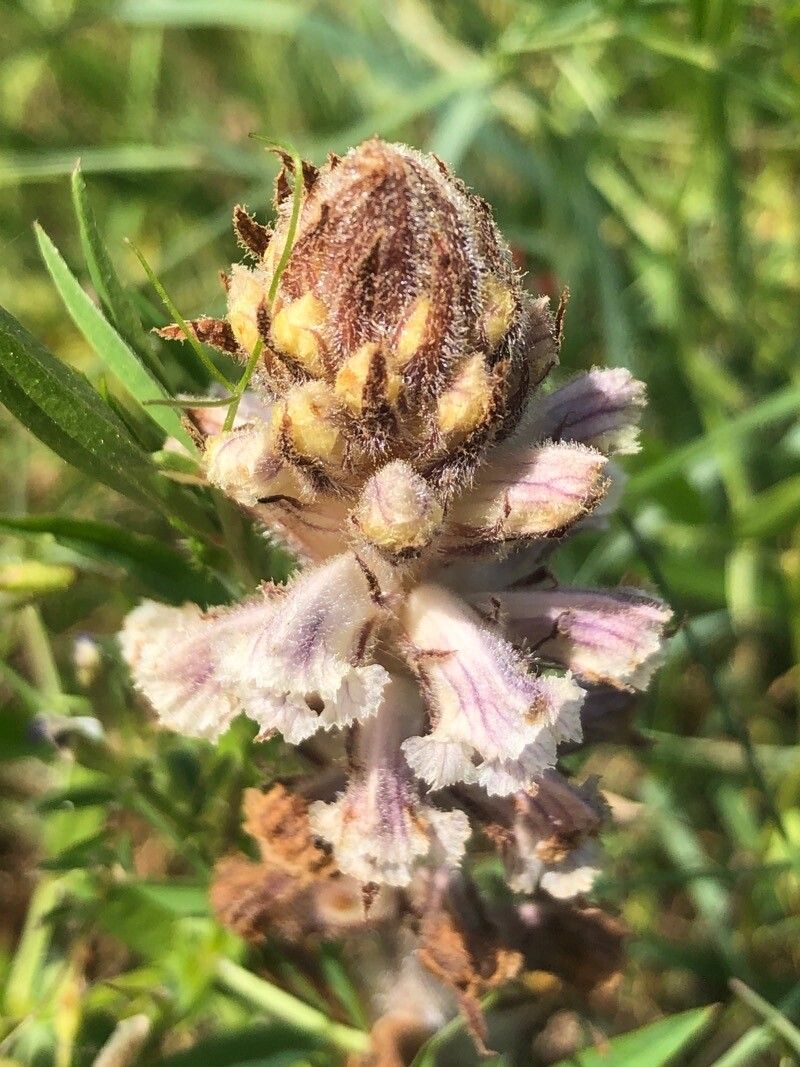
Broomrape (Orobanche minor) is a captivating, yet notorious, plant. Its vibrant purple flower spikes hold a haunting allure, but beneath the surface lies a parasitic nature that makes gardeners cringe. But can you propagate this enigmatic plant, and if so, is it even a good idea?
The Parasitic Nature of Broomrape
Broomrape is a fascinating example of a parasitic plant. It lacks chlorophyll and relies completely on other plants for its survival, specifically legumes like clover, alfalfa, and beans. Its seeds germinate in the soil, but instead of developing roots and leaves, they send out haustoria, root-like structures that penetrate the roots of their host plants. Through this connection, broomrape steals nutrients and water, effectively draining its host.
How to Propagate Broomrape – A Cautionary Tale
Technically, you can propagate broomrape. The seeds are easily dispersed by the wind and can remain dormant in the soil for years. You could potentially collect seeds from existing plants and try to cultivate them, but this is strongly discouraged.
Why Propagation is a Bad Idea
- Ecological Harm: Broomrape is considered a serious agricultural pest. Its parasitic nature can significantly reduce crop yields and even lead to complete crop failure. Promoting its spread is detrimental to farmers and ecosystems.
- Spread and Infestation: Deliberately propagating broomrape has a high risk of introducing or spreading this invasive species to new locations. Once established, it can be extremely difficult and expensive to control.
- Ethical Concerns: Propagating a parasite that ultimately harms other life forms is ethically questionable.
Controlling and Eradicating Broomrape
Instead of propagating broomrape, the focus should be on its control and eradication. Here are some effective methods:
- Prevention: The most effective approach is prevention. This involves planting resistant crop varieties, practicing crop rotation, and using seed that is certified broomrape-free.
- Weed Control: Hand-pulling young plants can be effective, but ensure you remove the entire root system to prevent regrowth.
- Biological Control: Some insects and fungi can help control broomrape populations. Researchers continue to explore these options for sustainable management.
- Chemical Control: Herbicides can be used, but should be applied carefully to minimize harm to other plants.
Conclusion
While broomrape’s beauty can be captivating, its parasitic nature demands a responsible approach. Propagating this invasive plant is not only unwise but also harmful to the environment and agriculture. Instead, focus on prevention and control measures, ensuring a healthy and productive ecosystem for all plants. Remember, understanding the ecological impact of our actions is crucial for maintaining balance in nature.