
Propagating Orthanthera albida: A Gardener’s Guide to a Delicate Beauty
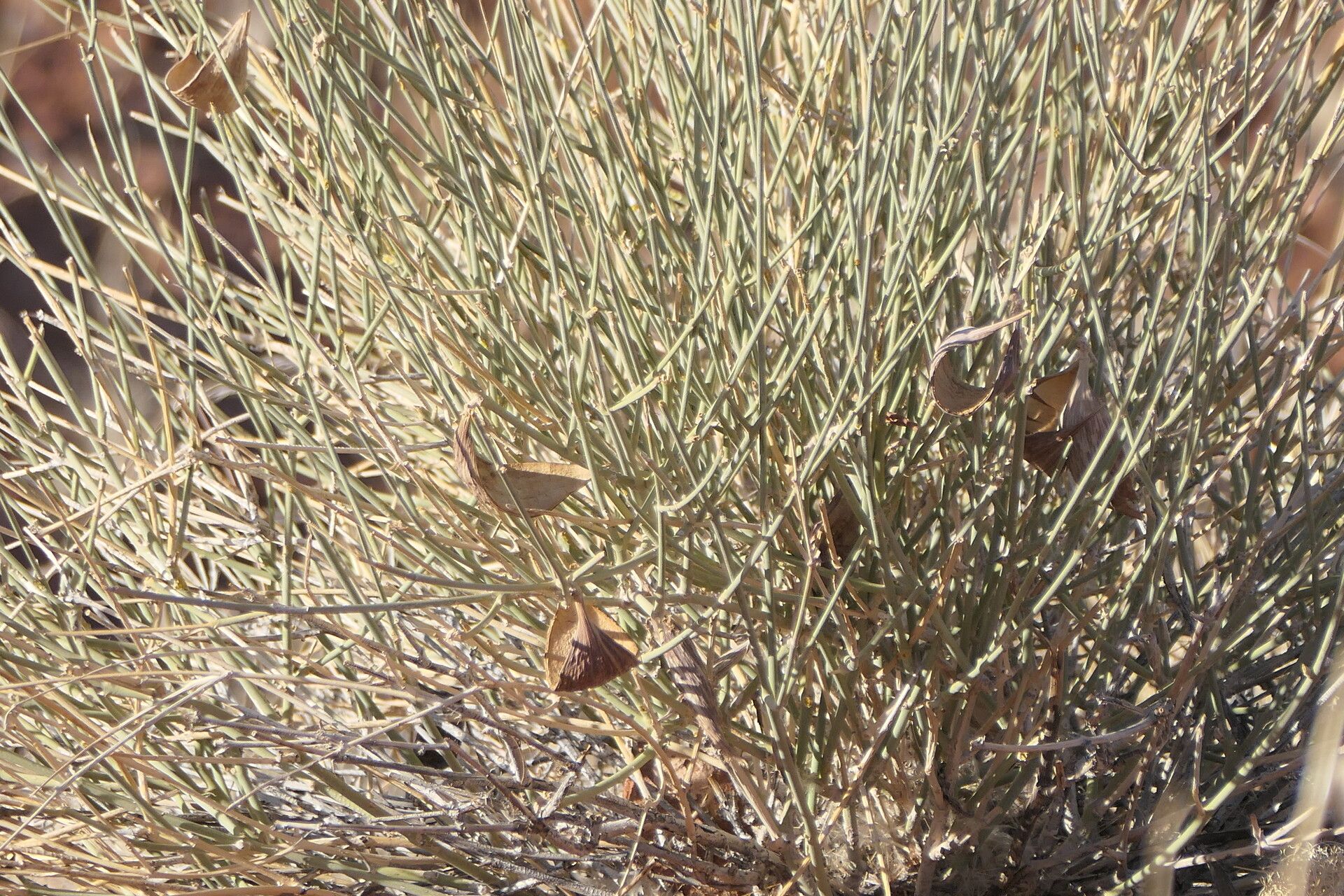
Orthanthera albida, commonly known as the White Orthanthera, is a captivating shrub prized for its elegant, delicate white flowers and attractive foliage. Its popularity among gardeners stems from its relatively low maintenance requirements and the charming, almost ethereal, quality it brings to gardens. However, propagating this beauty presents unique challenges, making success all the more rewarding. This article explores various propagation methods, outlining their viability and providing practical tips for enthusiasts.
Seed Germination:
Currently, there are no known reliable methods for seed germination propagation of Orthanthera albida. While the plant does produce seeds, their germination rate is reportedly extremely low, and success has not been consistently documented in horticultural literature. Further research is needed to determine if specific pre-treatment techniques (e.g., scarification, stratification) could improve germination rates.
Cuttings:
Cuttings offer a more reliable method for propagating Orthanthera albida.
Challenges: The success rate can be variable, depending on factors like the timing of the cuttings, the rooting medium used, and the environmental conditions. The plant’s relatively slow growth may lead to slower rooting as well.
Practical Tips: Semi-hardwood cuttings taken in late summer or early autumn generally yield the best results. Use a sharp, clean knife or shears to take 4-6 inch cuttings, removing lower leaves to prevent rot. Dip the cut end in a rooting hormone powder before planting in a well-draining medium, such as a mix of perlite and peat moss. Maintain high humidity (e.g., using a humidity dome or misting regularly) and provide bright, indirect light. Rooting can take several weeks to months.
Rewards: Cuttings offer a relatively straightforward method to increase the number of plants, preserving the desirable characteristics of the parent plant.
Division:
Division is another viable, though potentially limited, propagation method for Orthanthera albida.
Challenges: This method is only suitable for established plants with well-developed root systems. Care must be taken to avoid damaging the roots during the division process, which can significantly impact the survival rate of the divided sections. Furthermore, it is a less efficient method compared to cuttings, producing a limited number of new plants per parent plant.
Practical Tips: The best time for division is during the dormant season (late autumn or early spring). Dig up the entire plant carefully, and divide the root ball into several sections, ensuring each section has a healthy portion of roots and stems. Replant the divided sections immediately in suitable soil.
Rewards: Division is simpler than cuttings in that it avoids the rooting phase. However, the limited number of propagules obtained restricts its usefulness for large-scale multiplication.
Tissue Culture:
Tissue culture offers the potential for large-scale, rapid propagation of Orthanthera albida.
Challenges: Establishing a successful tissue culture protocol for Orthanthera albida requires specialized equipment, sterile conditions, and expertise in plant tissue culture techniques. This method is expensive and time-consuming, requiring a significant up-front investment.
Practical Tips: This method involves establishing sterile cultures from small plant explants (e.g., shoot tips, leaf sections) on a nutrient-rich medium under controlled conditions. Success depends on the careful selection of the culture medium, growth regulators, and environmental parameters.
Rewards: Tissue culture offers the highest potential for large-scale propagation, allowing for the rapid multiplication of genetically identical plants. It’s also an effective method for disease elimination.
Conclusion:
Propagating Orthanthera albida presents unique challenges across all methods. While seed germination is currently unreliable, cuttings offer a practical and relatively successful approach for home gardeners. Division is a simpler alternative but limited in the number of propagules. Tissue culture, though demanding, offers the greatest potential for large-scale propagation. The unique satisfaction of seeing these delicate plants thrive after overcoming the propagation hurdles reinforces the rewarding nature of gardening. The dedication required underscores the value of the successes achieved. For aspiring propagators, patience and persistence are key; experimenting with different methods and adapting techniques based on observations will enhance your chances of success with this beautiful and rewarding plant.