
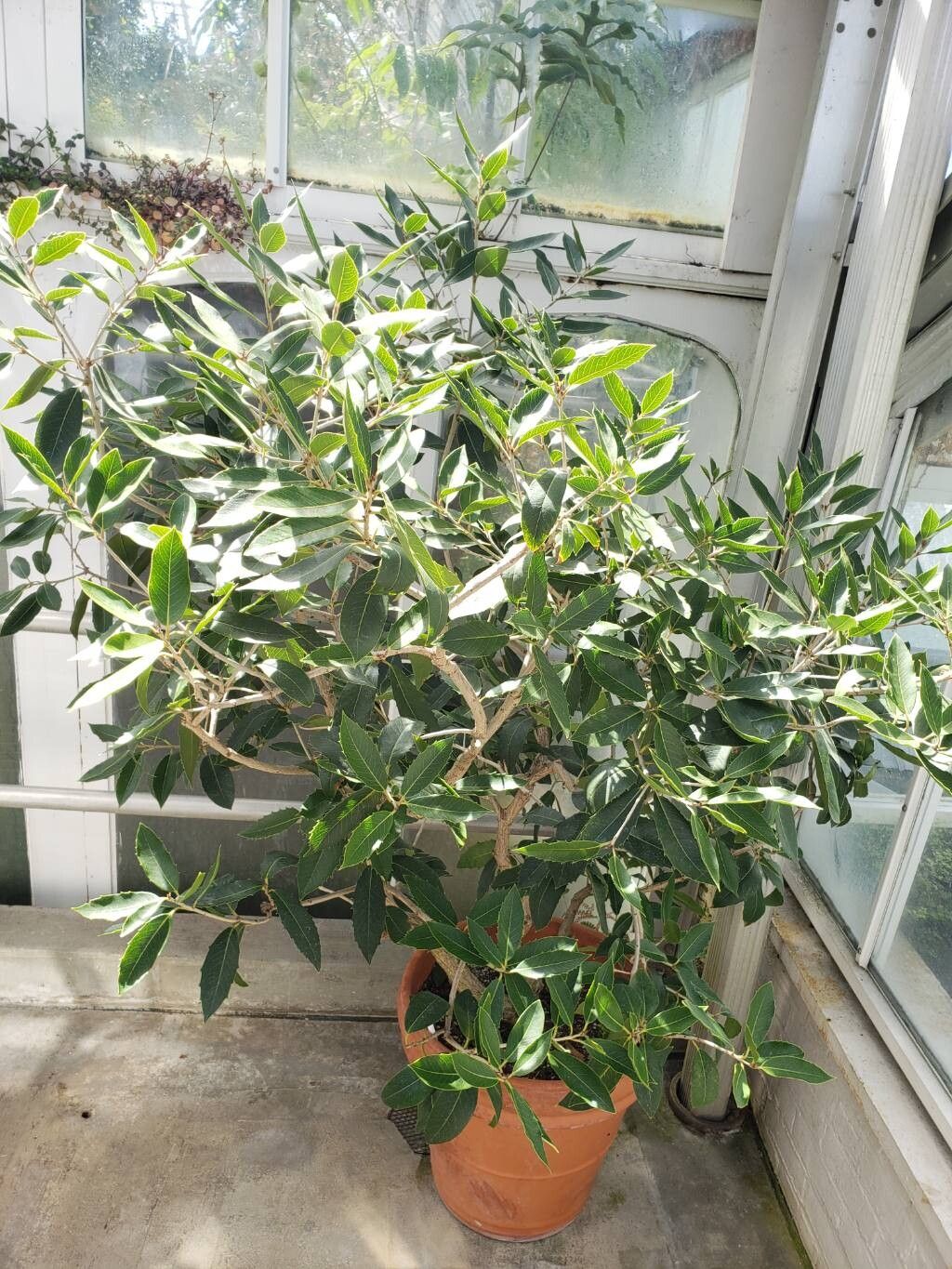
Unlocking the Secrets of Osmanthus armatus Propagation: From Seed to Success
Osmanthus armatus, also known as the holly olive or the more evocative sweet osmanthus, is captivating gardeners with its glossy, holly-like foliage and intoxicatingly sweet, fruity fragrance. Native to East Asia, this evergreen shrub thrives in temperate climates, adding year-round interest and fragrance to any garden.
While purchasing established plants is a common approach, embarking on the journey of propagation offers a rewarding and cost-effective way to expand your Osmanthus armatus collection. Let’s dive into the world of propagation, exploring methods that will set you on the path to success.
Method 1: Seed Propagation – A Test of Patience
Propagating Osmanthus armatus from seed is a rewarding, albeit lengthy, endeavor. While this method requires dedication, it allows you to witness the miracle of life firsthand.
Here’s what you need to do:
- Harvest ripe berries: In autumn, collect the dark blue to black berries from the Osmanthus armatus plant. Extract the seeds and clean off any remaining pulp.
- Stratification for success: Osmanthus armatus seeds require a period of cold stratification to break dormancy. Place the seeds in a damp paper towel, seal them in a plastic bag, and refrigerate for 60-90 days.
- Sowing the seeds: Once stratified, sow the seeds in a well-draining seed-starting mix, covering them lightly with soil. Keep the soil consistently moist and provide warmth (around 70°F).
- Patience is key: Germination can be slow and erratic, sometimes taking several months or even a year. Be patient and don’t give up!
Important Note: Seed-grown plants may not exhibit the same characteristics as the parent plant due to genetic variation.
Method 2: Semi-Hardwood Cuttings – A Quicker Path to Success
Propagating Osmanthus armatus from semi-hardwood cuttings offers a higher success rate and faster results compared to seed propagation.
Follow these steps:
- Timing is crucial: Take cuttings in late summer or early fall when the new growth has begun to harden.
- Choose healthy cuttings: Select healthy, non-flowering stems that are about 4-6 inches long.
- Prepare the cuttings: Remove the leaves from the bottom two inches of the stem. Dip the cut end in rooting hormone to encourage root development.
- Potting and care: Plant the cuttings in a pot filled with a well-draining potting mix. Water thoroughly and cover the pot with a plastic bag or humidity dome to maintain moisture.
- Rooting and transplanting: In 6-8 weeks, gently tug on the cuttings to check for root development. Once roots have formed, transplant each rooted cutting into individual pots.
Caring for Your New Osmanthus Armatus:
Regardless of the propagation method you choose, providing the right care is essential for the success of your new Osmanthus armatus plants:
- Well-draining soil: Osmanthus armatus prefers well-draining soil that is slightly acidic to neutral in pH.
- Sunlight requirements: These plants thrive in full sun to partial shade.
- Watering needs: Water deeply but infrequently, allowing the soil to dry slightly between waterings.
- Fertilization: Feed with a balanced fertilizer in spring to support healthy growth.
- Pruning for shape: Prune lightly after flowering to maintain desired shape and size.
Propagating Osmanthus armatus is a journey filled with anticipation and the joy of witnessing new life unfold. Whether you choose the patience of seed propagation or the efficiency of semi-hardwood cuttings, the rewards of expanding your garden with this fragrant beauty are well worth the effort.