
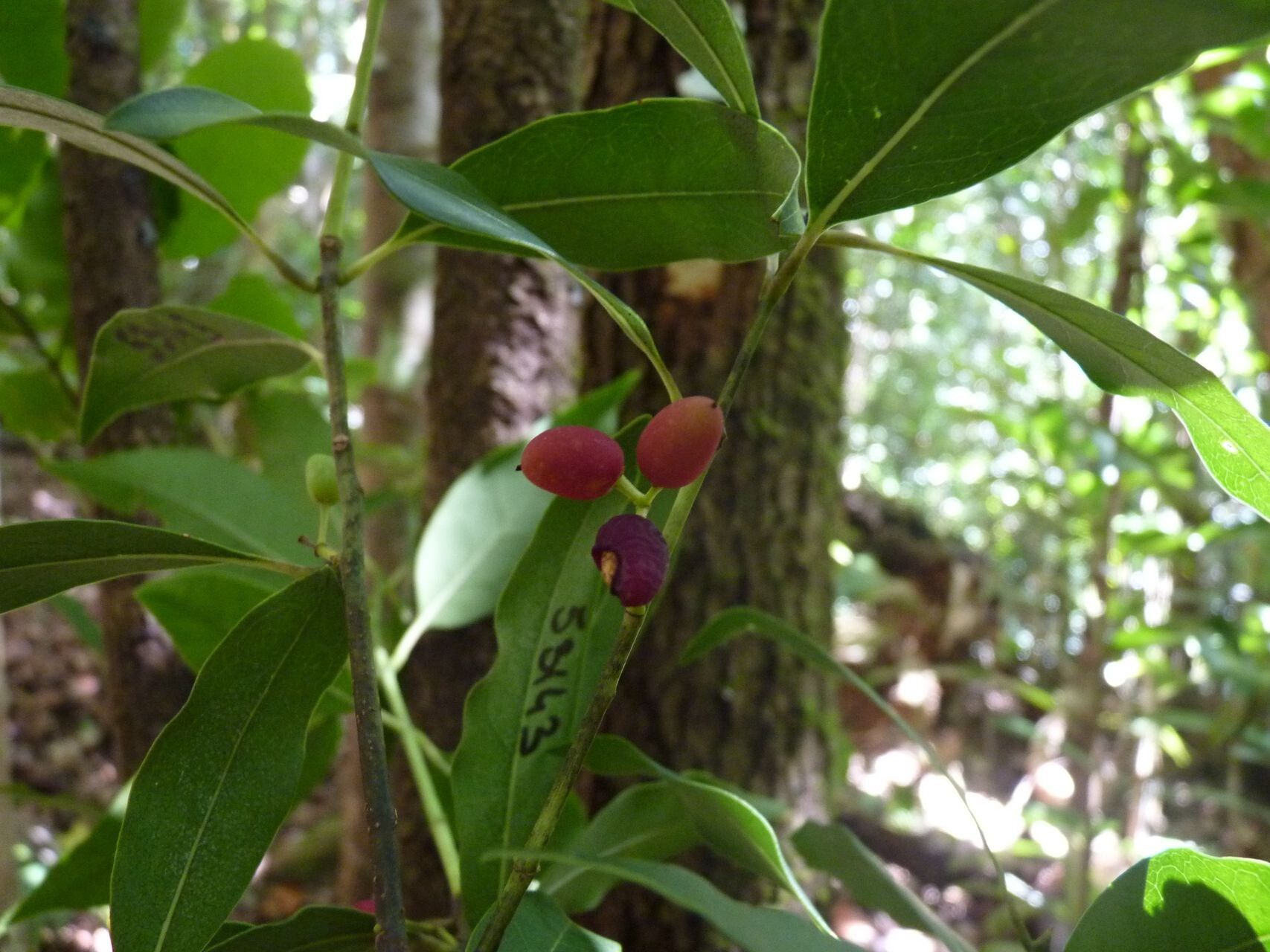
The “Magical” Osmanthus: Unlocking the Secrets of Propagation
You’ve probably seen or smelled the enchanting aroma of Osmanthus flowers – that sweet, floral fragrance that seems to instantly transport you to a sunny garden. But did you know that this remarkable plant, particularly the Osmanthus austrocaledonicus, is an absolute joy to propagate?
Why Propagate Osmanthus?
Osmanthus, popularly known as Sweet Olive or Tea Olive, is a highly sought-after plant for its beautiful foliage, fragrant blossoms, and resilience. While you can purchase established plants, the joy of growing your own Osmanthus from cuttings or seeds is a rewarding experience for any plant enthusiast.
The Magic of Propagation
Here’s the best part: propagating Osmanthus is surprisingly easy! You can choose from two common methods:
1. Softwood Cuttings: This method is best suited for Osmanthus austrocaledonicus, as this species thrives in warm climates.
- Timing is key: Choose young, pliable stems (softwood) from late spring to early summer.
- Selection is crucial: Look for healthy, disease-free growth with plenty of leaves.
- Preparation: Cut the stem with a sharp knife or pruning shears just below a leaf node.
- Root Hormone: Lightly dip the cut end in rooting hormone powder for enhanced root development.
- Planting: Insert the cutting into a pot filled with a well-draining potting mix, such as a 50/50 mix of peat moss and perlite.
- Humidity is key: Cover the pot with a clear plastic bag to create a humid environment.
- Patience: Keep the potting mix moist but not soggy, and within a few weeks, you should see signs of new growth, indicating roots are forming.
2. Seed Propagation: While this method is less common, it offers a unique way to grow multiple Osmanthus plants from one seed.
- Timing: Collect the ripe berries from your Osmanthus plant in autumn.
- Extraction: Carefully remove the seeds from the fleshy berries.
- Stratification: Place the seeds in a container of moist vermiculite and refrigerate for 3-4 months. This process mimics the natural winter chill, promoting germination.
- Planting: Sow the seeds in pots filled with well-draining potting mix.
- Patience: Germination can take several weeks or even months, so be patient. Provide the seedlings with consistent watering and bright indirect light.
Tips for Success
- Choose the right location: Osmanthus thrives in well-drained soil, but choose a location with plenty of sunlight.
- Water adequately: Keep the potting mix consistently moist, but avoid overwatering.
- Fertilize regularly: Use a balanced fertilizer during the growing season to encourage healthy growth.
The Joy of Growing from Seed
Propagating your own Osmanthus opens a world of possibilities for this fragrant beauty. Sharing the experience with friends and family adds another layer of joy, as you present them with a living piece of your garden’s magic. From the sweet scent of the blossoms to the lush, green foliage, your propagated Osmanthus will become a cherished addition to your home and garden. So, get your hands dirty, follow these simple steps, and unlock the magic of propagation, transforming a single plant into a multitude of fragrant wonders.