
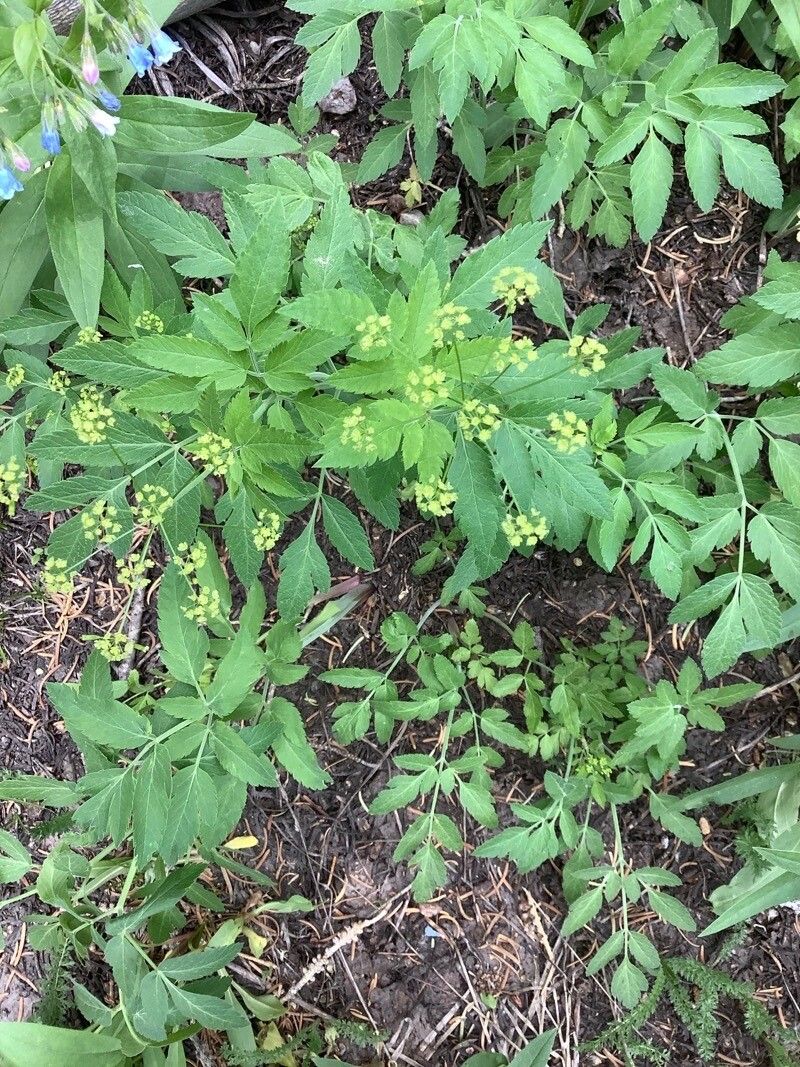
Propagating Osmorhiza occidentalis: A Gardener’s Guide to the Western Sweet Cicely
Introduction:
Osmorhiza occidentalis, commonly known as Western Sweet Cicely, is a charming native herbaceous perennial prized for its delicate, fern-like foliage and fragrant, anise-scented flowers. Its delicate beauty and adaptability to various soil conditions have earned it a place in many gardeners’ hearts, particularly those interested in native plant gardening and pollinator support. However, propagating this delightful species can present unique challenges. Its relatively low seed production and delicate root system necessitate careful consideration of propagation methods. This article explores several techniques to aid aspiring cultivators.
Seed Germination:
Seed germination for Osmorhiza occidentalis is a viable, albeit challenging method. The primary difficulty lies in the seed’s dormancy period. Seeds require a period of stratification – a cold, moist treatment mimicking winter conditions – to break dormancy and initiate germination.
Challenges: Low seed production, relatively slow germination rates, and the potential for fungal diseases in moist stratification environments.
Practical Tips: Collect seeds in late summer or early fall, as soon as the seed heads turn brown. Stratify seeds for at least 60-90 days at temperatures near 4°C (39°F) in a moist medium (e.g., vermiculite or perlite mixed with peat moss). Sow seeds directly into well-draining soil in a cool, shaded location after stratification. Maintain consistent moisture levels but avoid overwatering to prevent rot.
Rewards: Seed propagation provides genetic diversity within a population, enabling adaptation to local conditions and disease resistance. It also offers the potential for larger-scale propagation compared to other methods.
Cuttings:
Currently, there are no known reliable methods for propagation of Osmorhiza occidentalis from cuttings. The plant’s delicate stems and tendency to wilt easily make them unsuitable for successful cutting propagation.
Division:
Division is a more successful method for propagating Osmorhiza occidentalis.
Challenges: The plant’s shallow, fibrous root system makes it prone to damage during division. Divisions must be carefully carried out to ensure the survival of each individual plant.
Practical Tips: Divide established clumps in early spring or fall, before or after new growth emerges. Carefully dig up the plant, gently separate the roots into sections ensuring each division has healthy roots and foliage and replant them immediately in well-prepared soil. Provide adequate moisture until the divisions are well-established.
Rewards: Division offers relatively quick results and maintains the genetic characteristics of the mother plant ensuring true-to-type offspring.
Tissue Culture:
While potentially viable, tissue culture propagation of Osmorhiza occidentalis is highly specialized and not readily accessible to home gardeners. It requires a controlled laboratory setting and expertise in sterile techniques.
Conclusion:
Propagating Osmorhiza occidentalis presents unique challenges, particularly with seed germination and cuttings. While seed propagation offers genetic diversity, it requires precision in stratification and care to achieve a decent germination rate. Division offers a more reliable method for the home gardener resulting in quick establishment. Tissue culture remains a laboratory-based approach, less accessible to the average gardener.
Despite these intricacies, the rewards of successfully cultivating Western Sweet Cicely are significant. The satisfaction of nurturing this delicate plant from seed or division, overcoming the challenges involved, is immense. Its beauty and fragrance enrich any garden, serving as a testament to the perseverance and dedication of the grower. For aspiring propagators, patience, careful attention to detail, and a willingness to experiment are key to success. Don’t be discouraged by initial setbacks; the ultimate flourishing of this delightful native plant makes the effort worthwhile.