
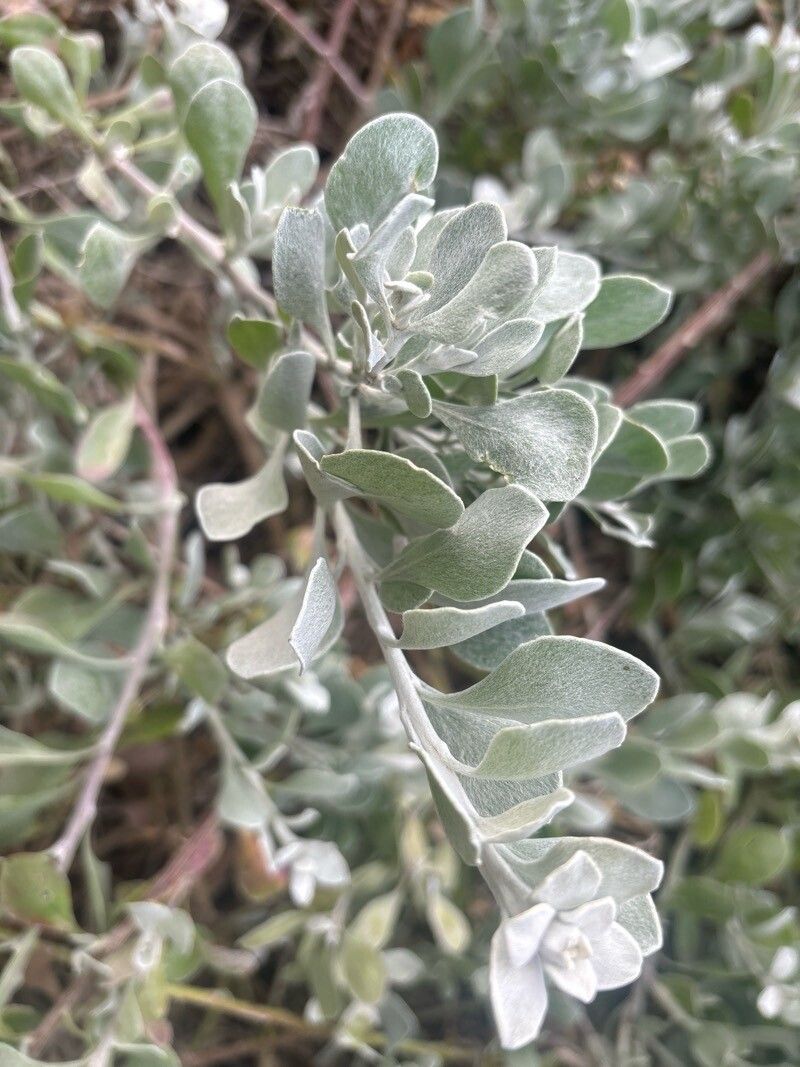
Propagating Osteospermum incanum: Sharing the Sunshine
Osteospermum incanum, commonly known as the Cape Daisy or African Daisy, is a beloved flowering plant cherished for its vibrant, daisy-like blooms and its ability to thrive in sunny, well-drained conditions. Its prolonged flowering season, ranging from spring to autumn, makes it a popular choice among gardeners seeking continuous color in their landscapes and containers. The relative ease of care, coupled with its striking beauty, contributes to its widespread popularity. However, propagating these cheerful daisies can present some unique challenges, depending on the chosen method.
Seed Germination:
Seed germination is a viable method for propagating Osteospermum incanum, albeit with some challenges. While the seeds are readily available, germination rates can be inconsistent, often influenced by factors like seed freshness and environmental conditions.
Challenges: Seed dormancy can be a significant hurdle. Pre-treatment is often necessary to break this dormancy and improve germination success.
Practical Tips: Soaking seeds in warm water for 24 hours before sowing can help soften the seed coat. Sowing seeds directly into well-draining seed-starting mix at a depth of about twice their diameter is recommended. Maintain consistently moist (but not waterlogged) soil and a warm environment (around 20-25°C). Avoid direct sunlight on the seedlings until they have established their first true leaves. Using a seed-starting heat mat can aid in consistent temperature control.
Rewards: Seed propagation offers the potential for high genetic diversity within the resulting plants, resulting in unique variations in flower color and form. It allows for large-scale propagation, particularly useful for commercial growers.
Cuttings:
Cuttings provide a reliable method for propagating Osteospermum incanum, offering a faster and more predictable route to successful propagation compared to seed germination.
Challenges: While relatively straightforward, success hinges on proper preparation and care. Using clean, sharp tools to prevent diseases is crucial. Ensuring adequate humidity and avoiding waterlogging are also important factors.
Practical Tips: Take semi-hardwood cuttings (about 4-6 inches long) from healthy stems in spring or early summer. Remove lower leaves to prevent rot. Dip the cut ends in rooting hormone to encourage root development. Plant cuttings in a well-draining rooting medium, such as a mix of perlite and peat moss, maintaining consistently moist conditions. Cover the cuttings with a plastic bag or humidity dome to maintain high humidity.
Rewards: Cuttings produce genetically identical plants to the parent plant, preserving desirable traits. This method is quicker than growing from seed and offers high success rates when done correctly.
Division:
Division is typically not a primary method for propagating Osteospermum incanum. While established plants can sometimes be divided, the success rate is lower compared to cuttings. It also tends to stress the plant.
Challenges: Careful division is necessary to avoid damaging the roots and stems. This method may lead to stunted growth in the divided plants.
Practical Tips: If attempting division, it’s best done in spring. Carefully dig up the plant and gently separate the crown into individual sections, ensuring each section has healthy roots and shoots. Replant the divisions immediately.
Rewards: Division can provide a few more plants, offering a simple propagation method for small-scale gardening.
Tissue Culture:
Tissue culture is a laboratory-based propagation technique that is less commonly used for home gardeners due to the specialized equipment and sterile conditions required. It can, however, be utilized for large-scale commercial propagation of Osteospermum incanum.
Challenges: Requires specialized knowledge, equipment, and a sterile environment to avoid contamination. High initial investment is required.
Practical Tips: Explant sterile plant tissues (e.g., leaf segments, shoot tips) onto a nutrient-rich agar medium. Maintain sterile conditions throughout the process.
Rewards: Allows for the rapid mass production of disease-free plants, offering a method for commercial propagation and genetic improvement.
Conclusion:
Propagating Osteospermum incanum offers a rewarding experience for gardeners of all levels. While seed propagation presents some challenges but offers the thrill of genetic diversity, cuttings provide a more reliable and faster path to success for most home gardeners. Division is less effective, generally not recommended. Tissue culture is typically reserved for commercial propagation. Ultimately, the satisfaction of nurturing a tiny cutting into a vibrant, flowering plant, or witnessing the germination of a tiny seed into a beautiful Cape Daisy, is a testament to the perseverance and care involved. Don’t be disheartened by initial setbacks – with patience and attention to detail, the rewards of successfully propagating these sunny daisies are well worth the effort.