
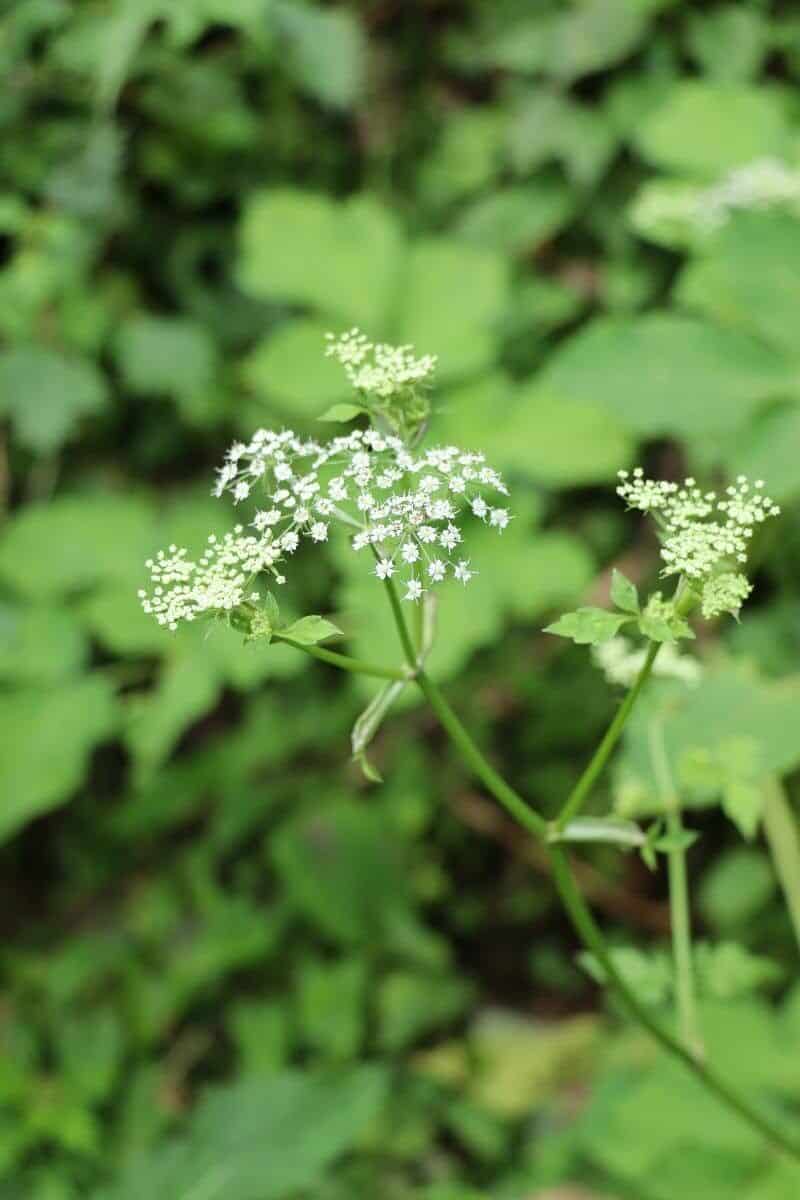
Unlocking the Secrets of Propagation: Growing Your Own Ostericum Sieboldii
Ostericum sieboldii, also known as Korean Angelica or Cham-guri, is a fascinating plant steadily gaining popularity in gardens and kitchens alike. With its delicate white flowers, aromatic foliage, and culinary uses in Korean cuisine, it’s no wonder gardeners are eager to propagate this versatile perennial.
While you can often find Ostericum sieboldii plants at specialty nurseries, propagating your own is a rewarding experience that lets you expand your stock and share this unique plant with friends. Let’s delve into the different methods and essential tips for successful propagation:
1. Seed Propagation: A Journey of Patience
- Timing is Key: Harvest seeds in late summer or early fall when the seed heads turn brown. For best results, sow seeds outdoors in fall or early spring, as they benefit from a period of cold stratification to break dormancy.
- Sowing the Seeds: Sow seeds in a well-drained seed starting mix, lightly covering them with soil. Keep the soil consistently moist but not soggy.
- Patience is a Virtue: Germination can be slow and erratic, sometimes taking several months. Be patient!
- Transplanting Success: Once seedlings have a few sets of true leaves, carefully transplant them into individual pots or your garden bed after the last frost.
2. Division: Multiplying Your Bounty
- The Right Time: Divide established plants in early spring or fall when the soil is moist and workable.
- Divide and Conquer: Carefully dig up the entire plant, ensuring you get as much of the root system as possible. Using a sharp knife or garden spade, divide the plant into sections, ensuring each section has a good amount of roots and shoots.
- Give Them Space: Replant the divisions at the same depth they were originally growing, spacing them about 18-24 inches apart. Water thoroughly.
3. Cuttings: A Faster Route to New Plants
- Choosing the Right Material: Take basal cuttings from new growth in spring or early summer. Look for healthy stems that are about 4-6 inches long.
- Making the Cut: Using a clean, sharp knife or pair of shears, make a cut just below a leaf node. Remove the lower leaves, leaving a couple of sets at the top.
- Encouraging Root Development: Dip the cut end in rooting hormone (optional but helpful) and plant the cuttings in a well-draining potting mix. Keep the soil consistently moist and provide humidity by covering the cuttings with a plastic bag or humidity dome.
- Transplanting Time: Once roots have developed (usually within a few weeks), you can transplant the rooted cuttings into individual pots or your garden.
Success Tips for Healthy Ostericum Sieboldii:
- Well-Drained Soil: Ostericum sieboldii prefers loose, well-drained soil that is rich in organic matter.
- Sun or Shade?: While it prefers partial shade, especially in hot climates, it can tolerate full sun in cooler regions.
- Water Wisely: Keep the soil evenly moist but avoid overwatering. These plants are relatively drought-tolerant once established.
- Pest and Disease Control: Generally pest-free, but keep an eye out for slugs and snails, especially in damp areas.
With a bit of patience and care, you can successfully propagate Ostericum sieboldii. Whether you choose to start from seed, divide existing plants, or try your hand at cuttings, you’ll be rewarded with a bounty of this unique and beautiful plant to enjoy for years to come.