
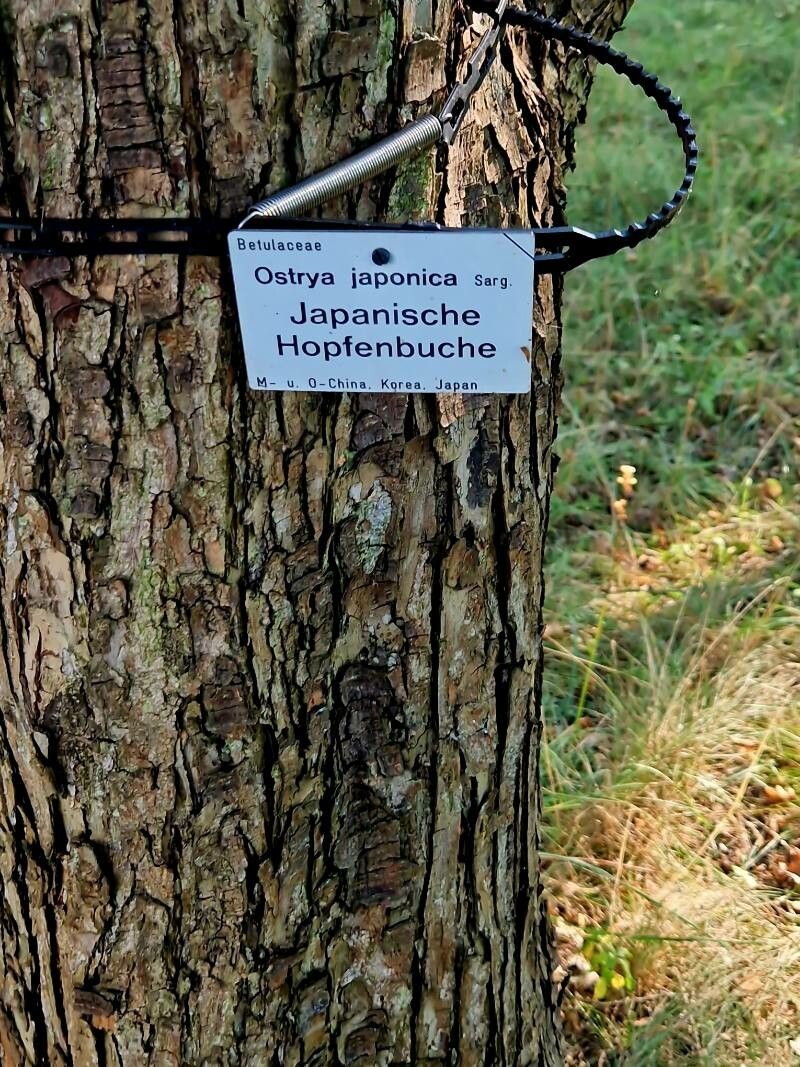
Propagating the Japanese Hophornbeam (Ostrya japonica): A Gardener’s Guide
Introduction:
Ostrya japonica, commonly known as the Japanese Hophornbeam, is a captivating deciduous tree prized for its graceful, pendulous branches, attractive bark that peels to reveal a mottled cinnamon and grey pattern, and its relatively small size compared to other hophornbeams. Its refined aesthetic makes it a popular choice for smaller gardens and landscaping projects where a unique textural element is desired. Unlike some trees, Ostrya japonica possesses a certain elusiveness regarding propagation, making successful cultivation all the more rewarding. Its relative rarity in cultivation further fuels interest in its propagation.
Seed Germination:
Currently, there are no known reliable methods for seed germination propagation of Ostrya japonica. While germination is possible in some Ostrya species, the success rate for Ostrya japonica is extremely low and inconsistent, likely due to factors such as seed dormancy, viability issues, and sensitivity to environmental conditions. Further research is needed to pinpoint the specific germination requirements for this species.
Cuttings:
Propagating Ostrya japonica from cuttings presents a more viable, although still challenging, option.
Challenges: Hardwood cuttings are the most likely to succeed, but rooting can be slow and inconsistent. The success rate hinges heavily on precise timing (late autumn or early winter), appropriate hormone application (rooting hormone is highly recommended), and meticulous care during the rooting phase.
Practical Tips: Take semi-hardwood cuttings in late summer or hardwood cuttings in late autumn from healthy, one-year-old growth. Treat the cut ends with a rooting hormone, and plant them in a well-draining propagation mix under mist propagation. Maintaining high humidity (e.g., using a humidity dome) and consistent moisture is crucial. Avoid direct sunlight during the rooting phase. The rooting process can take several months.
Rewards: Although more labor-intensive than simpler propagation techniques, cuttings can preserve desirable traits of a parent plant, offering a quicker route to establishing mature specimens compared to starting from seed.
Division:
Division is not a feasible propagation method for Ostrya japonica. This tree has a deep taproot system, making division likely to cause significant damage and hinder survival.
Tissue Culture:
Tissue culture offers a potential avenue for large-scale propagation of Ostrya japonica. This method, typically undertaken in a specialized laboratory setting, bypasses many of the challenges associated with seed germination and cuttings.
Challenges: Establishing a reliable tissue culture protocol for Ostrya japonica requires significant expertise and resources. Sterility is paramount, and finding the correct media and hormone combinations that induce shoot proliferation and root formation is crucial. Furthermore, the cost can be significantly higher than other methods.
Practical Tips: This area requires specialized knowledge and is best left to experienced tissue culture laboratories.
Rewards: Tissue culture offers the potential for rapid multiplication of desirable genotypes, disease-free plantlets, and high cloning success rates. This is a crucial avenue for conservation and the wider distribution of this relatively rare species.
Conclusion:
Propagating Ostrya japonica presents unique challenges to the gardener. While seed propagation seems unproductive at present, cuttings offer a realistic though demanding option, while tissue culture holds the most promising potential for large-scale propagation, albeit at a higher cost. The rewards, however, are considerable. Successfully establishing this elegant tree from a cutting or via tissue culture offers a unique satisfaction – a testament to patience, perseverance, and a deep appreciation for the intricacies of plant propagation. The endeavor underscores the profound connection between gardener and plant, a bond forged through the challenges overcome and the beauty ultimately achieved. Aspiring propagators should appreciate the trial-and-error inherent in the process, focusing on creating optimal conditions and celebrating small victories along the way. The unique character of the Japanese Hophornbeam makes the effort well worth the challenge.