
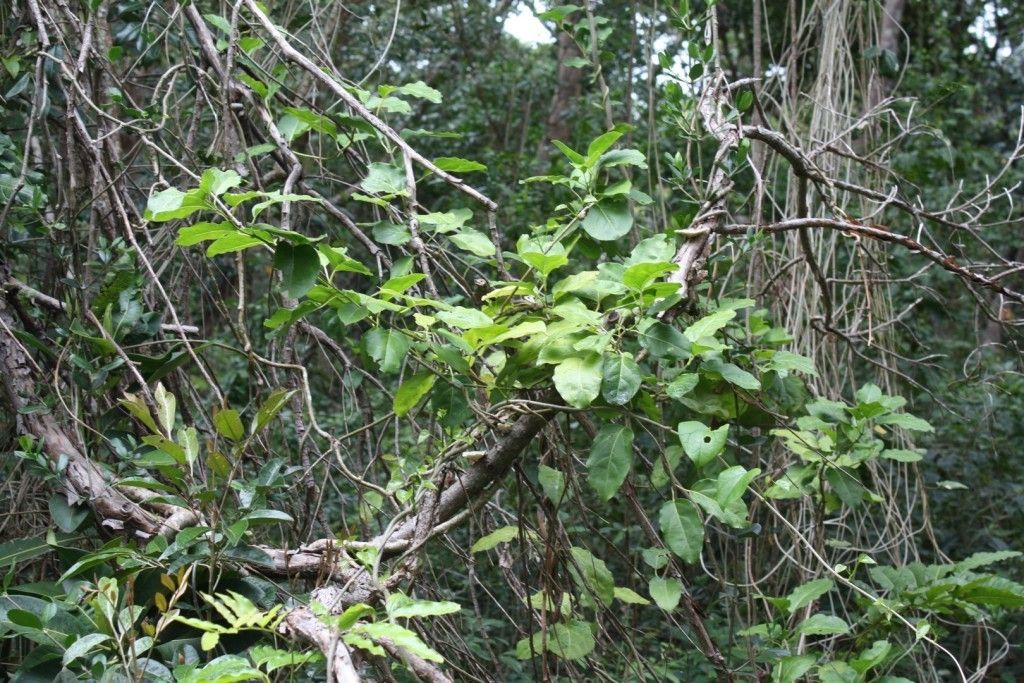
Unlocking the Secrets of Oxera Balansae Propagation: A Guide to Growing This Showy Climber
Oxera balansae, also known as the New Caledonian Sandalwood, is a stunning climbing vine prized for its lush foliage and captivating, fragrant flowers. Native to the rainforests of New Caledonia, this tropical beauty can bring a touch of exotic elegance to your garden or conservatory.
While relatively rare in cultivation, Oxera balansae is not exceedingly difficult to propagate if you understand its specific needs. Whether you’re a seasoned gardener or just starting, this guide will equip you with the knowledge to successfully multiply your Oxera collection.
Two Main Methods: Unveiling the Possibilities
Propagating Oxera balansae primarily revolves around two main methods:
Seed Propagation: This method involves germinating seeds collected from mature fruits. However, be aware that Oxera balansae seeds can be challenging to obtain and may have variable germination rates.
- Semi-Hardwood Cuttings: This technique, which involves rooting sections of the plant’s stem, is generally considered the more reliable and faster method for propagating Oxera balansae.
Mastering the Art of Semi-Hardwood Cuttings:
Let’s delve deeper into the steps for successful propagation using semi-hardwood cuttings:
1. Timing is Key: The ideal time to take cuttings is during the plant’s active growing season, typically in spring or early summer. This ensures access to healthy, vigorous growth.
2. Choosing the Right Cuttings: Select healthy stems that are semi-hardwood, meaning they are firm and somewhat flexible but not completely woody. Cuttings should be approximately 4-6 inches long and bear several nodes (the points where leaves attach).
3. Preparing the Cuttings:
- Remove the leaves from the lower half of each cutting to prevent rot and encourage root development.
- Make a clean, angled cut just below a node, as this is where root formation is most likely to occur.
- To further stimulate rooting, consider dipping the cut end in rooting hormone powder or gel.
4. Planting the Cuttings:
- Fill small pots with a well-draining, sterile potting mix.
- Create a hole in the center of each pot and carefully insert the cutting, ensuring the bottom nodes are covered by the potting mix.
- Gently water the cuttings, taking care not to dislodge them.
5. Fostering a Humid Environment: To promote successful rooting, it’s crucial to maintain high humidity around the cuttings. This can be achieved by:
- Placing the pots in a propagator with bottom heat.
- Creating a humidity dome by covering the pots with a clear plastic bag or cloche, supported by sticks to prevent contact with the cuttings.
6. Patience is a Virtue: Rooting can take several weeks to a couple of months. During this period, monitor moisture levels and ensure the cuttings receive bright, indirect light. Avoid direct sunlight, which can scorch the delicate new growth.
7. Transplanting Success: Once the cuttings show signs of new growth and have developed a well-established root system, they can be transplanted into individual pots filled with a well-draining potting mix.
Propagating Oxera balansae does require patience and attention to detail. However, watching your cuttings develop roots and ultimately flourish into mature plants is a rewarding experience for any plant enthusiast. By following these steps, you can successfully propagate this exquisite vine and enjoy its beauty for years to come.