
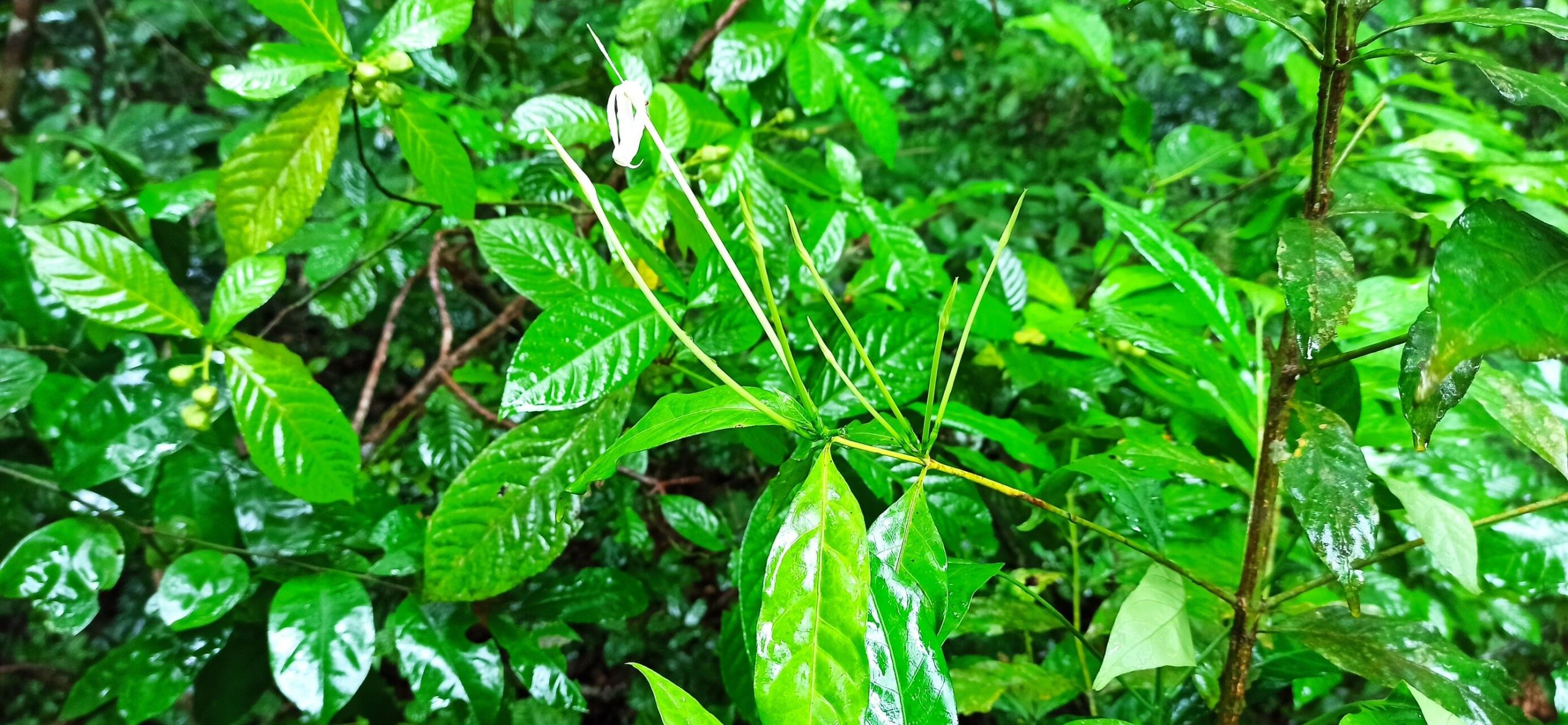
Propagating the Exquisite Oxyanthus lepidus: A Gardener’s Guide
Introduction:
Oxyanthus lepidus, commonly known as the African cherry or glossy-leaved oxyanthus, is a captivating shrub prized for its glossy, dark green foliage and delicate, fragrant flowers. Its attractive form, coupled with its relatively manageable size, makes it a popular choice among gardeners seeking a touch of exotic beauty in their landscapes or conservatories. However, propagating this species can present unique challenges. Its success lies in understanding the plant’s specific needs and employing appropriate techniques.
Seed Germination:
Currently, there are no known reliable methods for seed germination propagation of Oxyanthus lepidus. While the plant produces seeds, their viability and germination rate are reported to be extremely low, making this method impractical for most gardeners. Further research into seed treatment techniques, potentially including scarification or specific temperature stratification, could prove fruitful but currently remains unexplored in the literature.
Cuttings:
Cuttings represent a more promising propagation method for Oxyanthus lepidus.
Challenges: The main challenge with cuttings lies in achieving sufficient rooting. Oxyanthus lepidus can be somewhat reluctant to root, requiring careful attention to hygiene and environmental conditions.
Practical Tips: Semi-hardwood cuttings taken in late summer or early autumn offer the best chances of success. Cuttings should be approximately 10-15cm long, taken from healthy, non-flowering stems. The lower leaves should be removed to prevent rot, and the cut ends dipped in a rooting hormone before planting in a well-draining propagation mix (e.g., a mix of perlite and peat moss). High humidity, provided by a propagator or plastic bag, is essential. Bottom heat can also significantly improve rooting success. Patience is key, as rooting can take several weeks or even months.
Rewards: Successful propagation from cuttings provides a relatively quick method for multiplying existing plants, maintaining desirable genetic traits, and ensuring a supply of young plants.
Division:
Division is not a practical propagation method for Oxyanthus lepidus. This shrub doesn’t readily form multiple stems or clumps suitable for division.
Tissue Culture:
Tissue culture offers a potentially high-yield method for propagating Oxyanthus lepidus.
Challenges: Establishing a sterile tissue culture protocol for Oxyanthus lepidus requires specialized equipment and expertise. Finding the optimal growth medium and hormonal concentrations can involve significant experimentation. Contamination is a constant threat, requiring meticulous aseptic technique.
Practical Tips: This method should only be attempted by those experienced in plant tissue culture. The process involves sterilising plant material, placing explants (small pieces of plant tissue) onto nutrient agar, and then maintaining sterile conditions throughout the process until plantlets are formed and ready for acclimatisation to normal growing conditions.
Rewards: Tissue culture offers the possibility for mass propagation of Oxyanthus lepidus, allowing for large-scale production of uniform plants. This is particularly valuable for commercial purposes or conservation efforts.
Conclusion:
Propagating Oxyanthus lepidus presents several challenges, with cuttings offering the most accessible method for the home gardener. While seed propagation remains unreliable and division is impractical, tissue culture presents a high-yield option but demands advanced techniques. The rewards of successfully cultivating this exquisite plant, however, are well worth the effort. The satisfaction of nurturing a cutting from a small snippet to a thriving shrub, or mastering tissue culture techniques, offers a unique sense of accomplishment. For aspiring propagators, patience, perseverance, and meticulous attention to detail are crucial ingredients for success. Remember to research your specific local climatic conditions and adjust these methods accordingly. Don’t be discouraged by initial setbacks; careful observation and adjustments will ultimately reveal the secrets to successfully multiplying your cherished Oxyanthus lepidus.