
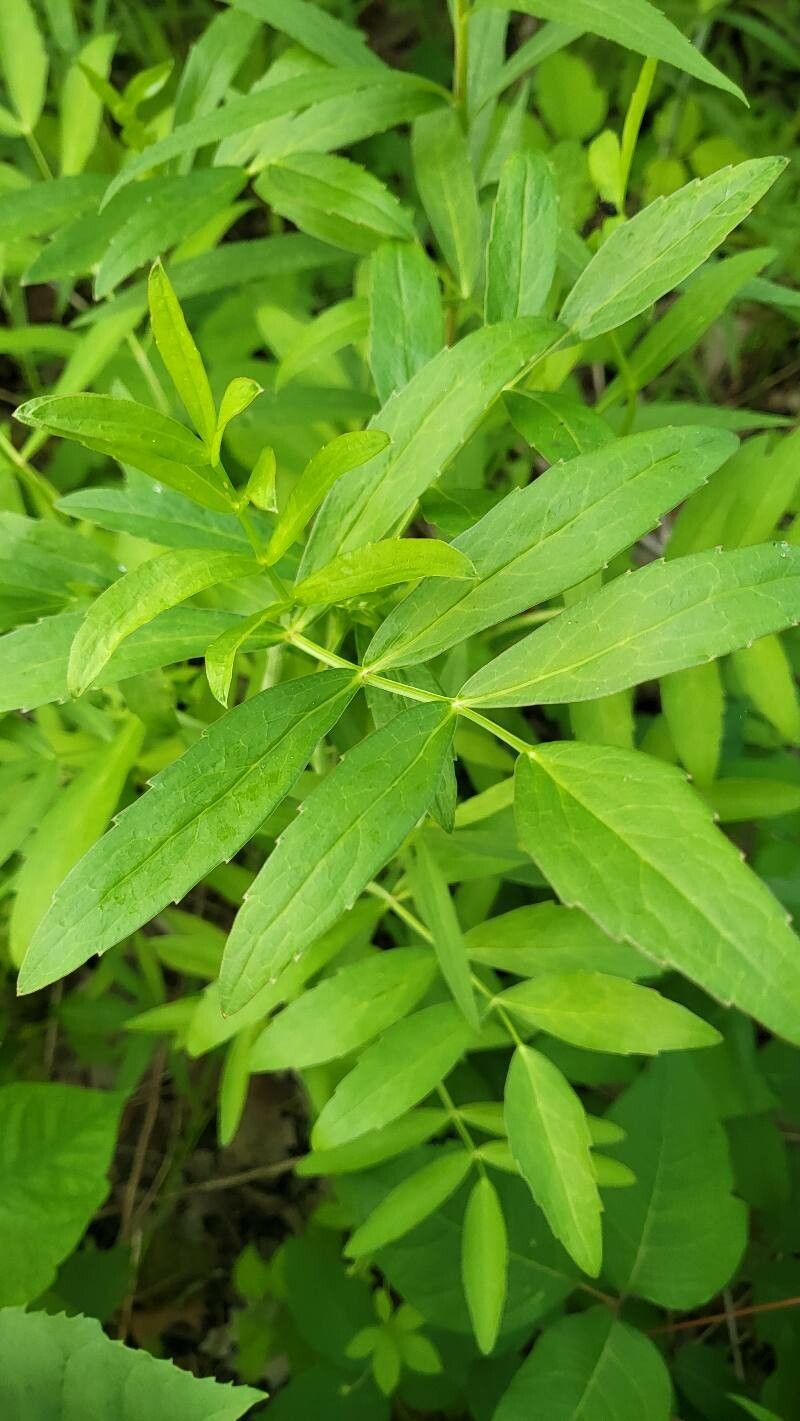
Spreading the Love: A Guide to Propagating Cowbane (Oxypolis rigidior)
The graceful, towering stems of Cowbane (Oxypolis rigidior) are a stunning sight in any garden. This native North American wildflower boasts delicate white umbels of blooms that attract pollinators and bring a touch of wild beauty to the landscape. While finding Cowbane in the wild can be a treat, if you’re eager to enjoy its beauty up close, you’ll be happy to know that it can be propagated relatively easily.
From Seed to Seedling:
The most common method of propagating Cowbane is through seed. This process requires a bit of patience, but it’s a rewarding experience.
- Collecting Seeds: Start by collecting ripe seeds in late summer or early fall. Look for the brown umbels with plump seeds inside.
- Preparing the Seeds: Once collected, remove the outer layers of the seed head. You can then sow the seeds directly into the ground in an area that receives full sun to partial shade.
- Sowing Time: The ideal time for sowing is in the fall. This allows the seeds to experience a natural cold stratification period over the winter, which is necessary for germination.
- Germination: Be patient! Cowbane seeds can take up to a year to germinate. However, you should see some seedlings emerge within a few months.
Division: A Quicker Route:
If you want to enjoy Cowbane blooms sooner, consider dividing established plants. This method is best performed in the spring or early fall.
- Choose the Right Time: Select a plant that’s at least three years old.
- Carefully Divide: Gently dig around the base of the plant and use a sharp knife or shovel to separate the roots and crown into sections. Make sure each division has healthy roots and foliage.
- Replant and Water: Replant the new divisions in a similar growing environment to the parent plant, and water them well.
Things to Consider:
- Location: Cowbane prefers full sun to partial shade and well-drained, moist soil. Choose a spot with adequate space for its tall stems to grow freely.
- Water Regularly: Cowbane requires consistent moisture, especially during dry spells.
- Minimal Maintenance: Once established, Cowbane is generally low maintenance and requires minimal care.
Caution: Remember, all parts of Cowbane are poisonous when ingested. Keep children and pets away from the plant, even if your intention is purely ornamental.
Propagating Cowbane is an excellent way to share the love of this magnificent plant with other gardeners. It also provides a touch of native beauty to your own landscape while supporting local ecosystems.