
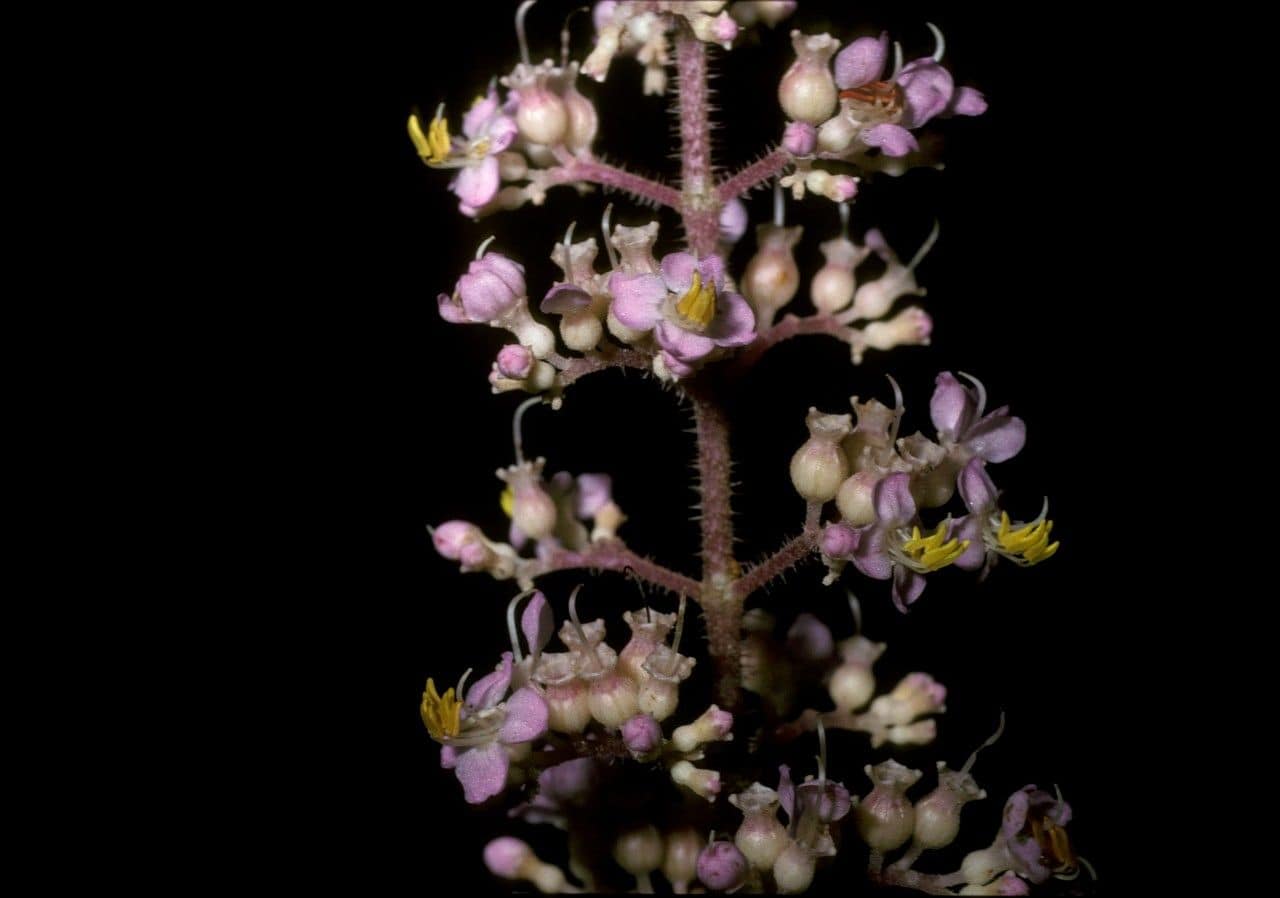
Unleashing the Beauty of “Pink Brush”: A Guide to Propagating Oxyspora Paniculata
Oxyspora paniculata, more affectionately nicknamed “Pink Brush” for its stunningly vivid flower clusters, is a sight to behold. Native to the Himalayas, this semi-evergreen shrub adds a touch of exotic charm to any garden with its graceful arching branches and vibrant floral displays. If you’re like us and captivated by its beauty, you’ll be thrilled to know that propagating Oxyspora paniculata at home is an achievable and rewarding endeavor.
While this resilient plant can be propagated through seeds, achieving germination can be a bit tricky. That’s why we recommend opting for propagation through cuttings, a more reliable and straightforward method. Follow these steps and you’ll be well on your way to expanding your “Pink Brush” collection:
1. Timing is Key: The ideal time for taking cuttings is during the plant’s active growing season, which typically falls between late spring and early summer. During this period, the plant channels its energy into new growth, ensuring a higher success rate for your cuttings.
2. Selecting the Right Cuttings: Look for healthy, non-flowering shoots that are approximately 4-6 inches long. These younger, more vigorous stems root much more efficiently than older, woodier ones. Use a sharp, sterilized pruning shear or knife to make clean cuts just below a leaf node (the point where a leaf emerges from the stem).
3. Preparing the Cuttings: Remove the leaves from the bottom third of the cutting to minimize moisture loss and encourage root development. To further enhance rooting, you can dip the cut end in rooting hormone powder or liquid, although this step isn’t strictly necessary.
4. Planting the Cuttings: Fill small pots or a seed tray with a well-draining potting mix, preferably one specifically formulated for cuttings. Make a small hole in the mix with your finger or a pencil and gently insert the bottom inch of the cutting into the hole. Firm the soil around the cutting to secure it in place.
5. Creating a Humid Environment: Maintaining a humid environment is crucial for successful rooting. Cover the pots or tray with a clear plastic bag or humidity dome to trap moisture around the cuttings. Place them in a bright location with indirect sunlight, avoiding direct sun exposure which can scorch the delicate cuttings.
6. Patience is a Virtue: Now comes the waiting game. Keep the soil consistently moist but not waterlogged. It typically takes several weeks for roots to develop. You can check for root growth by gently tugging on the cutting; resistance indicates successful rooting.
7. Transplanting to Larger Pots: Once your cuttings have developed a healthy root system, typically after 6-8 weeks, they are ready to be transplanted into individual pots or directly into your garden. Choose a location with well-draining soil and partial shade to dappled sunlight for optimal growth.
With a little patience and care, you can easily multiply your “Pink Brush” shrubs and create a breathtaking display of these vibrant beauties in your own backyard. Happy propagating!