
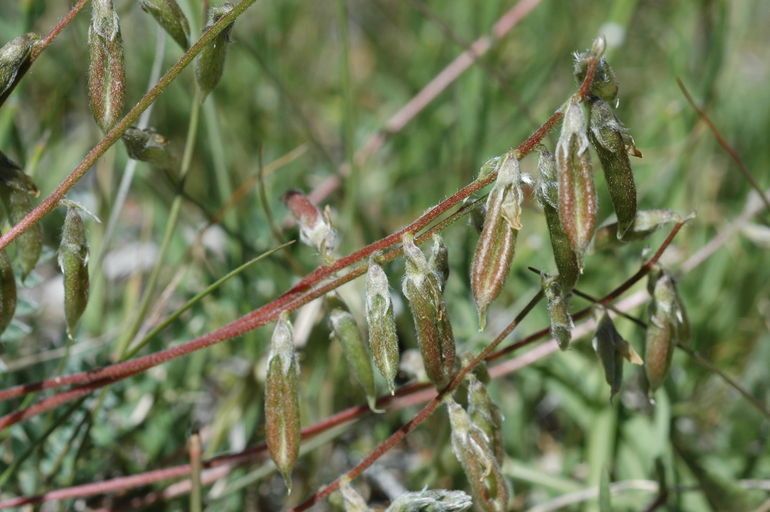
Conquering the Wild: Propagating the Rare and Enchanting Oxytropis deflexa
The Oxytropis deflexa, also known as the “Reflexed Locoweed,” is a captivating wildflower with an alluring charm. Its delicate purple blooms and unique drooping flower stalks make it a collector’s favorite, especially for those who appreciate the beauty of rare and endangered species. While this plant is often admired on mountain slopes and meadows, it’s not always readily available for home gardens. That’s where propagation comes in!
This blog post will guide you through the exciting and rewarding journey of propagating the Oxytropis deflexa, enabling you to cultivate this rare beauty within the confines of your own yard or container.
Understanding the Seeds:
The first step to propagating this captivating plant is to understand its seeds. Oxytropis deflexa seeds are notoriously small and require specific conditions to germinate. As a member of the legume family, they often form a symbiotic relationship with nitrogen-fixing bacteria, making them less receptive to standard germination practices.
Methods of Propagation:
While there are a couple of propagation methods, the seed method is the most commonly used and provides an effective way to increase your Oxytropis deflexa collection.
1. Seed Propagation:
- Collection: Collect mature seed pods after flowering. Be sure to gather seed pods that are dried and brown.
- Sowing: Sow seeds directly in the garden or in a seed tray filled with a well-draining seed-starting mix.
- Stratification: Oxytropis deflexa seeds benefit from cold stratification. This process involves exposing the seeds to cold temperatures for at least 60 days. This mimics the natural winter conditions they experience in their wild habitat.
- Germination: Place the stratified seeds in a warm, bright location. While germination can take anywhere from 2 to 4 weeks, patience is key!
2. Division:
While less common, division is another method for propagating Oxytropis deflexa. This works best for established plants.
- Timing: The best time to divide this plant is during the spring or early fall.
- Care: Carefully separate the roots, ensuring each division has healthy root material. Repot or plant the divisions in a suitable location ensuring appropriate drainage.
Cultivation Tips:
- Location: Oxytropis deflexa thrives in full sun or partial shade with well-drained soil.
- Soil: Choose a soil mix with good drainage, as these plants are susceptible to root rot.
- Watering: Water regularly during the growing season, but allow the soil to dry slightly between waterings. This aids in preventing fungal diseases.
- Fertilizer: Light fertilization is recommended, but be careful not to over-fertilize, as this can promote excessive growth and weaken the plant.
- Protection: During harsh winters, consider providing protection for your Oxytropis deflexa by adding a layer of mulch around the base of the plant.
Enjoy the Wild Beauty:
Successfully propagating your own Oxytropis deflexa will bring you closer to this fascinating, yet often undervalued, plant. Embrace the challenges and rewards of nurturing this rare wildflower; you will be contributing to its conservation while enjoying the beauty and wonder of its delicate purple blooms.