
Taming the Arctic: How to Propagate the Rare Oxytropis lapponica
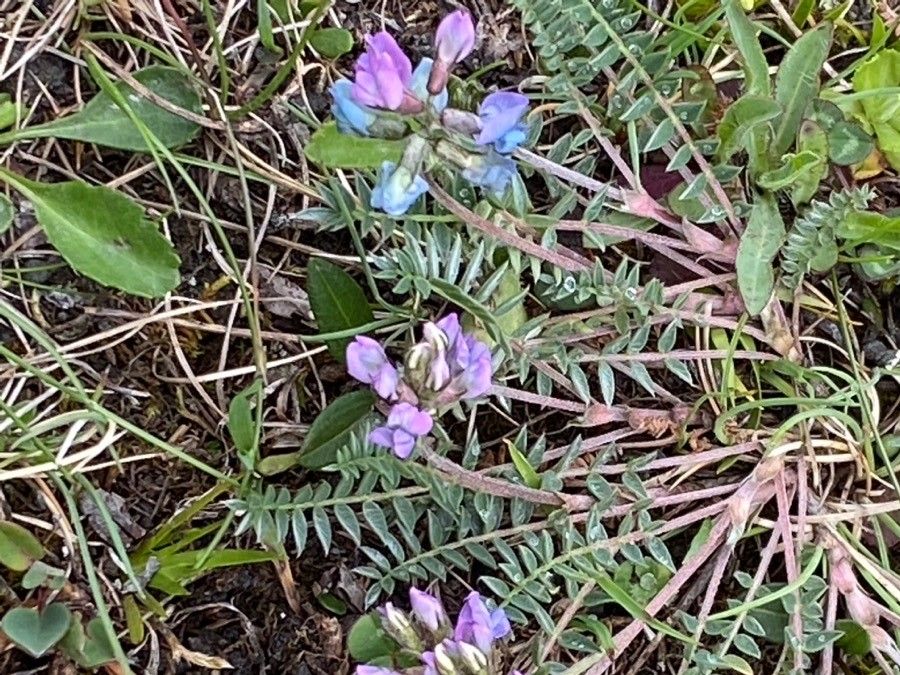
The Arctic tundra, a land of stark beauty and harsh conditions, is home to a fascinating and resilient plant – the Oxytropis lapponica. This rare species, with its delicate purple flowers and silvery foliage, is a true survivor, thriving in environments that would challenge most other flora. But how can you bring a piece of this wild beauty into your garden?
The Challenge of Propagation: A Plant with a Mind of its Own
Oxytropis lapponica, like many Arctic plants, has evolved intricate strategies for reproduction. Its seeds are often dispersed by the wind, relying on chance encounters with suitable conditions for germination. This makes traditional seed propagation challenging.
Furthermore, the plant’s delicate root system, adapted to shallow, permafrost-affected soils, makes transplanting an adult plant practically impossible. So, how can you bring this fascinating species to life in your own space?
Unlocking the Secrets of Success: Propagation Methods
The good news is that Oxytropis lapponica can be successfully propagated by a few key techniques:
- Seed Propagation: While challenging, seed propagation is the most common method. The key is to replicate the conditions the seeds encounter in their natural habitat:
- Stratification: This process mimics the natural freezing and thawing cycles the seeds experience in the Arctic. After harvesting, place the seeds in a moist, cold environment (like a refrigerator) for several months, then sow them in a well-drained, sandy mix.
- Light Requirement: Oxytropis lapponica seeds are light germinators, meaning they need light to sprout. Sow them on the surface of the soil, but don’t bury them.
- Patience: Germination can take months, even with stratification. Be patient, and maintain consistent moisture.
- Division: This involves carefully separating established plants into smaller portions, each containing roots and shoots.
- Timing: Divide plants in the early spring or late summer, avoiding the heat of the summer months.
- Gentle Handling: Use a sharp knife to divide the plant, ensuring each section has viable roots and shoots.
- Repotting: Plant the divided sections in well-drained soil and water thoroughly.
- Cuttings: While less common, stem cuttings can be used for propagation. Take cuttings from healthy, non-flowering stems in the early summer:
- Prepping the Cutting: Remove the leaves from the bottom two inches of the stem and dip the cut end in rooting hormone.
- Soil and Care: Plant the cuttings in a moist, sandy mix, keeping them warm and humid. Regular misting will also help to ensure success.
- Patience: Root development may take several weeks, so be patient and keep the cuttings moist.
Creating the Right Environment: Thriving in Your Garden
Oxytropis lapponica prefers well-drained, sandy soil, mimicking its natural habitat. It also enjoys a sunny to partially shaded location. To replicate the conditions of the Arctic tundra, you can provide:
- Cool Temperatures: Oxytropis lapponica thrives in cooler climates. It’s best suited for hardiness zones 2-5.
- Good Drainage: The plant cannot tolerate waterlogging, so ensure the soil drains well.
- Limited Fertilizer: Don’t overfertilize your Oxytropis lapponica. Its natural resilience allows it to thrive even in nutrient-poor soils.
- Protection from Pests: While relatively pest-resistant, Oxytropis lapponica may fall prey to garden pests like aphids or slugs.
Beyond Propagation: A Plant with Purpose
Beyond its captivating beauty, Oxytropis lapponica plays a vital role in the Arctic ecosystem. It serves as a food source for tundra caribou and other herbivores, and its nitrogen-fixing properties contribute to the health of the fragile Arctic landscape.
By cultivating Oxytropis lapponica in your garden, you can celebrate its unique beauty and contribute to a wider understanding and appreciation of this fascinating Arctic plant. So, embrace the challenge of propagation, and share a piece of the Arctic wilderness with the world.