
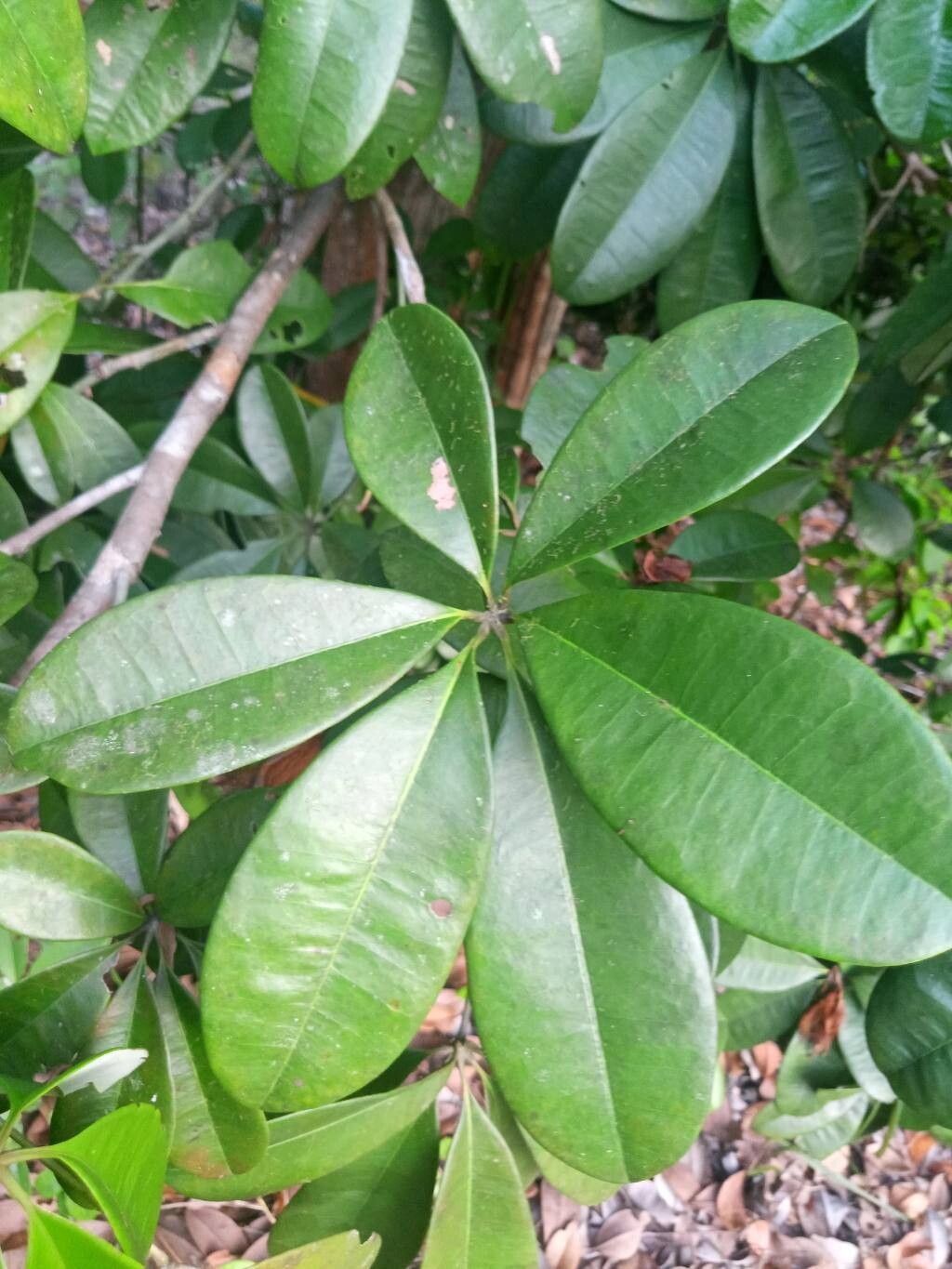
Propagating Pachira flaviflora: A Guide for the Determined Gardener
Pachira flaviflora, also known as the yellow silk floss tree or yellow cotton tree, is a striking tropical tree prized for its vibrant yellow flowers and distinctive, swollen base. Its unique aesthetic qualities and relative ease of care (once established) contribute to its growing popularity among indoor and outdoor gardeners in suitable climates. However, propagation can present certain challenges. This article explores various methods, outlining their viability and offering practical advice for success.
Seed Germination:
Currently, there are no known reliable methods for seed germination propagation of Pachira flaviflora. While seeds may be produced, their viability is notoriously low, and successful germination rates are rarely reported in the literature or among hobbyists. Further research is needed to determine optimal germination conditions, potentially involving specific pre-treatments or sophisticated germination techniques.
Cuttings:
Cuttings offer a more promising approach to propagating Pachira flaviflora.
Challenges: Successful rooting requires careful attention to hygiene and environmental conditions. The cuttings are prone to fungal diseases, and maintaining appropriate humidity is crucial.
Practical Tips: Use semi-hardwood cuttings taken from healthy, actively growing stems in spring or summer. Remove lower leaves to prevent rot, dip the cut ends in rooting hormone, and plant in a well-draining, sterile propagation mix. Maintain high humidity, ideally using a humidity dome or propagator, and provide bottom heat to encourage root development. Avoid overwatering.
Rewards: Cuttings produce genetically identical plants, preserving desirable traits. This is efficient for propagating a known plant with attractive characteristics.
Division:
Division is not a practical method for propagating Pachira flaviflora. The plant’s strong taproot system makes separating and successfully replanting divisions incredibly difficult, with a high likelihood of plant mortality.
Tissue Culture:
Tissue culture offers the potential for large-scale propagation of Pachira flaviflora with higher success rates than other methods.
Challenges: Tissue culture requires specialized equipment, aseptic techniques, and knowledge of plant tissue culture protocols. It’s a more complex and expensive method than cuttings.
Practical Tips: This method requires a sterile laboratory environment, suitable growth media, and plant growth regulators. Detailed protocols are available through specialized horticultural resources.
Rewards: Tissue culture offers the possibility of mass production of disease-free plants, preserving desirable genetic traits and ensuring high propagation efficiency.
Conclusion:
Propagating Pachira flaviflora presents unique challenges across all methods. While seed germination currently seems impractical, cuttings provide a feasible albeit somewhat delicate approach for the dedicated gardener. Tissue culture offers the most promising path to large-scale propagation, but only with access to specialized resources and expertise. The rewards, however, are significant: the satisfaction of successfully nurturing these exquisite trees from a cutting or via tissue culture, overcoming the inherent difficulties, is immense.
For aspiring propagators, starting with cuttings and meticulously following the outlined tips is recommended. Don’t be discouraged by setbacks – the journey itself, with its learning curve and eventual triumphs, adds to the charm of cultivating these remarkable plants. Remember to research appropriate rooting hormones and sterile propagation mixes for the best success rate. With patience and persistence, the beauty of Pachira flaviflora can flourish in your garden, a testament to your dedication and horticultural prowess.