
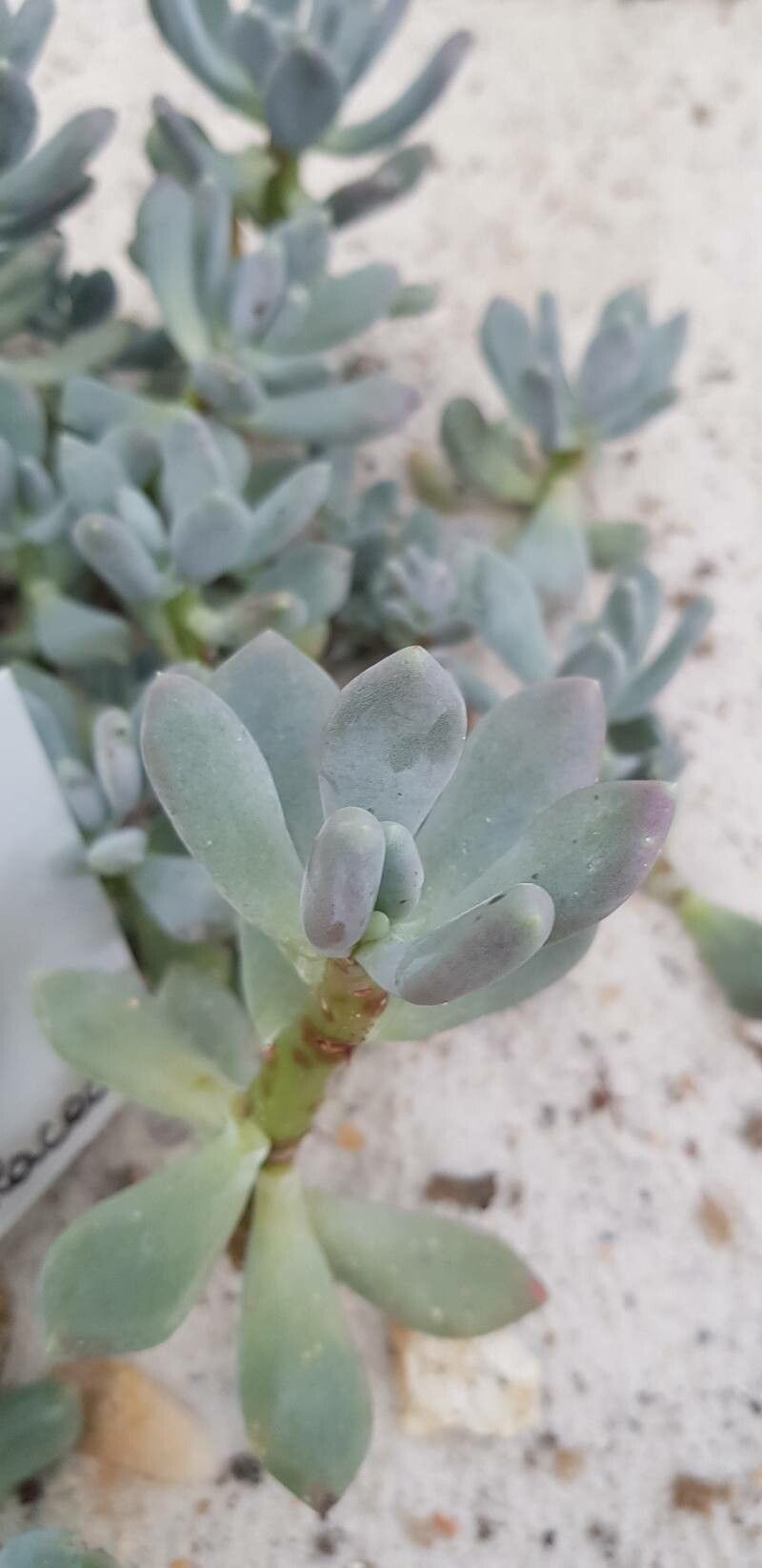
Multiply Your Moonstones: A Guide to Propagating Pachyphytum Glutenicaule
Pachyphytum glutenicaule, affectionately known as the “Moonstones” succulent, is a sight to behold. Its plump, chalky-blue leaves resemble glistening moon rocks, adding a touch of otherworldly charm to any space. While admiring their unique beauty is a treat in itself, wouldn’t it be even better to multiply your collection? Fortunately, propagating Moonstones is a surprisingly simple and rewarding endeavor, even for beginner gardeners. Let’s delve into the different methods and watch your moonlit garden expand!
The Power of Propagation: Why Multiply Your Moonstones?
Before we get our hands dirty (well, not literally, as you’ll soon learn), let’s understand why propagation is such a fantastic practice:
- Expand your collection for free: Propagation allows you to grow numerous Moonstone plants from your existing one, saving you money and trips to the nursery.
- Share the joy: Propagated plants make thoughtful gifts for fellow plant lovers. Spread the Moonstone magic!
- Rejuvenate older plants: Propagation can breathe new life into older, leggy plants.
The Methods: Leaf Cuttings vs. Offsets
Pachyphytum glutenicaule offers two primary methods of propagation, each with its own merits:
1. Leaf Cuttings: A Game of Patience and Precision
- Best Time: Spring and early summer, when the plant is actively growing.
- Process:
- Gently twist mature, healthy leaves from the stem, ensuring a clean break at the base.
- Let the leaves callous over in a dry, shaded area for a few days to a week. This prevents rot once planted.
- Place the calloused leaves on top of well-draining succulent mix, slightly burying the broken end.
- Mist occasionally, allowing the soil to dry out completely between waterings.
- Patience is Key: It can take several weeks or even months for roots and tiny plantlets to emerge.
2. Offsets: The Fast Track to New Plants
Moonstones often produce baby plants, known as offsets or “pups,” around their base. These are essentially clones of the parent plant and offer a faster propagation method.
- Best Time: Any time the offsets are large enough to be removed without causing damage.
- Process:
- Gently separate the offsets from the parent plant, ensuring they have some roots attached.
- Pot the offsets in well-draining soil, burying the roots gently.
- Water sparingly, allowing the soil to dry out completely between waterings.
Tips for Success:
- Well-Draining Soil: Use a specialized succulent and cactus mix or create your own by amending potting soil with perlite or pumice.
- Bright, Indirect Light: Place your propagated plants in a bright location but avoid direct sunlight, which can scorch the delicate leaves.
- Water Sparingly: Moonstones are drought-tolerant and prefer their soil to dry out completely between waterings.
Propagating your Pachyphytum glutenicaule is a rewarding journey that allows you to expand your succulent collection while witnessing the miracle of plant reproduction. With a little patience and care, you’ll soon have a miniature moonscape adorning your windowsill, bringing a touch of celestial wonder to your home.