
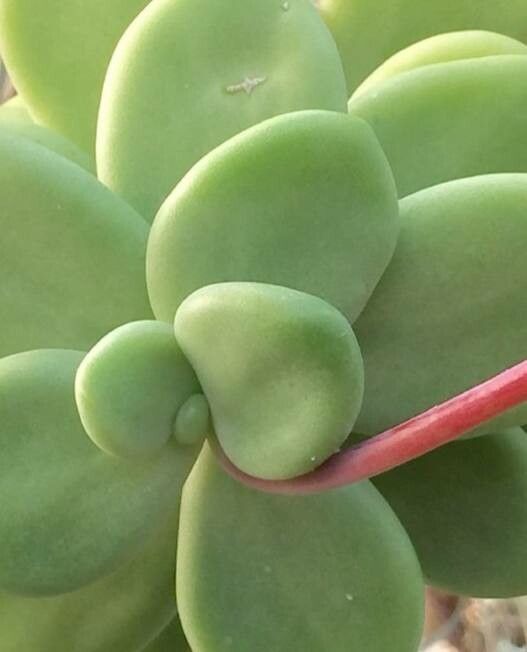
Propagating the Blue Rose: A Guide to Growing Pachyphytum rogeliocardenasii
Pachyphytum rogeliocardenasii, commonly known as the Blue Rose, is a captivating succulent prized for its stunning, powdery blue-grey leaves and charming rosette form. Its unique appearance and relatively compact size have made it a favorite among succulent enthusiasts. However, its propagation isn’t always straightforward. This article explores various methods, outlining their challenges and rewards to help you successfully cultivate this beautiful plant.
Seed Germination:
Currently, there are no known reliable methods for seed germination propagation of Pachyphytum rogeliocardenasii. While the plant does produce seeds, germination rates are reportedly extremely low, and successful germination to mature plants hasn’t been widely documented. Further research into specific germination requirements (including possible stratification needs) might reveal viable techniques in the future, but currently, seed propagation is not recommended.
Cuttings:
Challenges: While cuttings are the most common and successful propagation method, care must be taken to prevent rot. The leaves are quite succulent, and excess moisture can quickly lead to decay.
Practical Tips:
Leaf Cuttings: Healthy, mature leaves can be carefully removed from the mother plant, allowing the cut end to callus over for a few days. Then, gently place the leaf on well-draining succulent potting mix, ensuring minimal contact with the soil. Root formation is slow and may take several weeks.
Stem Cuttings: A more reliable method involves taking stem cuttings, ideally with several leaf pairs, at least 2 inches in length. Let the cut end callus over, then plant in a well-draining mix.
Watering: Water sparingly, only when the soil is completely dry to prevent rot. High humidity should also be avoided.
Rewards: Cuttings offer relatively high success rates compared to other methods, leading to quickly established new plants that are genetically identical to the parent.
Division:
Challenges: Older, larger Pachyphytum rogeliocardenasii plants may produce offsets (or pups) at the base. However, these are not always abundant, limiting the scale of propagation via division. Careful separation is crucial to avoid damaging either the parent plant or the offset.
Practical Tips:
Timing: The best time for division is during the active growing season (spring or summer).
Careful Separation: Gently separate the offsets from the mother plant, ensuring each has a healthy root system. Use a clean, sharp knife to cleanly sever any connections.
Planting: Plant each offset into well-draining cactus and succulent potting mix and water sparingly.
Rewards: Division provides a quick and easy way to increase the number of plants, provided offsets are available. The resulting plants retain the characteristics of the mother plant.
Tissue Culture:
Challenges: Tissue culture is a highly specialized technique, requiring a laboratory setting and sterile conditions. It’s expensive and often requires specialized knowledge and equipment. While potentially very effective for mass production of clones, it’s impractical for the average home grower.
Practical Tips: This method isn’t suitable for the home hobbyist. Professional laboratories specializing in plant tissue culture should be consulted for this method.
Rewards: Tissue culture offers near-unlimited propagation potential for creating large numbers of genetically identical plants. This is particularly useful for preserving rare or desirable cultivars.
Conclusion:
Propagating Pachyphytum rogeliocardenasii presents unique challenges, with cuttings being the most accessible and reliable method for the home grower. While seed germination and division are less successful and less practical, tissue culture offers large-scale potential for commercial growers. The rewards for those who are persistent are bountiful: the satisfaction of successfully cultivating this striking succulent from a cutting or offset is immense, a testament to patience and horticultural skill. Don’t let the initial hurdles discourage you; the stunning beauty of the Blue Rose is well worth the effort.