How to Propagate Pachypodium eburneum
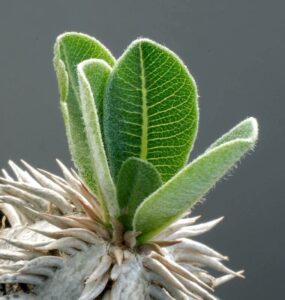
Unveiling the Secrets of Pachypodium Eburneum Propagation: A Guide to Multiplying the Majesty
Pachypodium eburneum, the captivating succulent with its striking, spiny trunk and ethereal white blooms, holds a special allure for plant enthusiasts. While admiring its beauty is one thing, propagating it unveils a new level of satisfaction. But this coveted species can be notoriously tricky to multiply. Fear not, for we’re about to demystify the process and empower you to grow your own Pachypodium eburneum colony!
Two Paths to Propagation: Seeds vs. Offsets
Pachypodium eburneum offers two main paths for propagation: seeds and offsets. Each method comes with its own set of advantages and challenges.
1. Sowing the Seeds of Success:
- Pros: Starting from seed offers the advantage of potentially yielding a larger number of plants and experiencing the entire growth journey.
- Cons: Seed germination can be inconsistent and requires patience, as it may take weeks or even months.
- Procedure:
- Source: Obtain seeds from reputable suppliers specializing in rare succulents.
- Sowing: Sow seeds in a well-draining seed-starting mix, lightly pressing them into the surface.
- Environment: Place the seed tray in a warm, bright location, maintaining a consistent temperature of around 70-75°F (21-24°C) with bottom heat.
- Moisture: Keep the soil consistently moist but not waterlogged. Using a spray bottle can be helpful.
- Patience: Be patient! Germination can take anywhere from a few weeks to a couple of months.
- Transplanting: Once seedlings develop a strong root system and several true leaves, they can be carefully transplanted into individual pots.
2. Offsetting the Challenges:
- Pros: Offsets, or pups, offer a higher success rate and a faster track to maturity compared to seeds.
- Cons: Offsets are not always readily available, as the plant produces them sporadically.
- Procedure:
- Identification: Offsets typically emerge from the base of the parent plant.
- Separation: Carefully remove a healthy offset with a sharp, sterilized knife, ensuring a clean cut.
- Callousing: Allow the cut surface of the offset to dry and callous for a few days before planting.
- Planting: Plant the offset in a well-draining potting mix, burying the base slightly.
- Watering: Water sparingly, allowing the soil to dry out between waterings.
Nurturing Your New Pachypodium Eburneum Progeny
Regardless of the propagation method, providing the right care is crucial for your Pachypodium eburneum’s success:
- Light: Provide bright, indirect light. Avoid intense, direct sunlight, especially for young plants, to prevent scorching.
- Water: Water thoroughly when the soil is dry to the touch, allowing excess water to drain. Reduce watering frequency during winter dormancy.
- Soil: Utilize a well-draining soil mix specifically formulated for succulents or cacti.
- Temperature: Maintain a warm environment, ideally between 65-80°F (18-27°C). Protect from frost.
- Fertilizer: Feed lightly with a balanced fertilizer diluted to half strength during the growing season (spring and summer).
Propagating Pachypodium eburneum might require a touch of dedication and a dash of patience, but the rewards are well worth the effort. By following these guidelines, you can unlock the secrets to expanding your succulent collection and enjoy the unique beauty of this fascinating species for years to come. Happy propagating!