
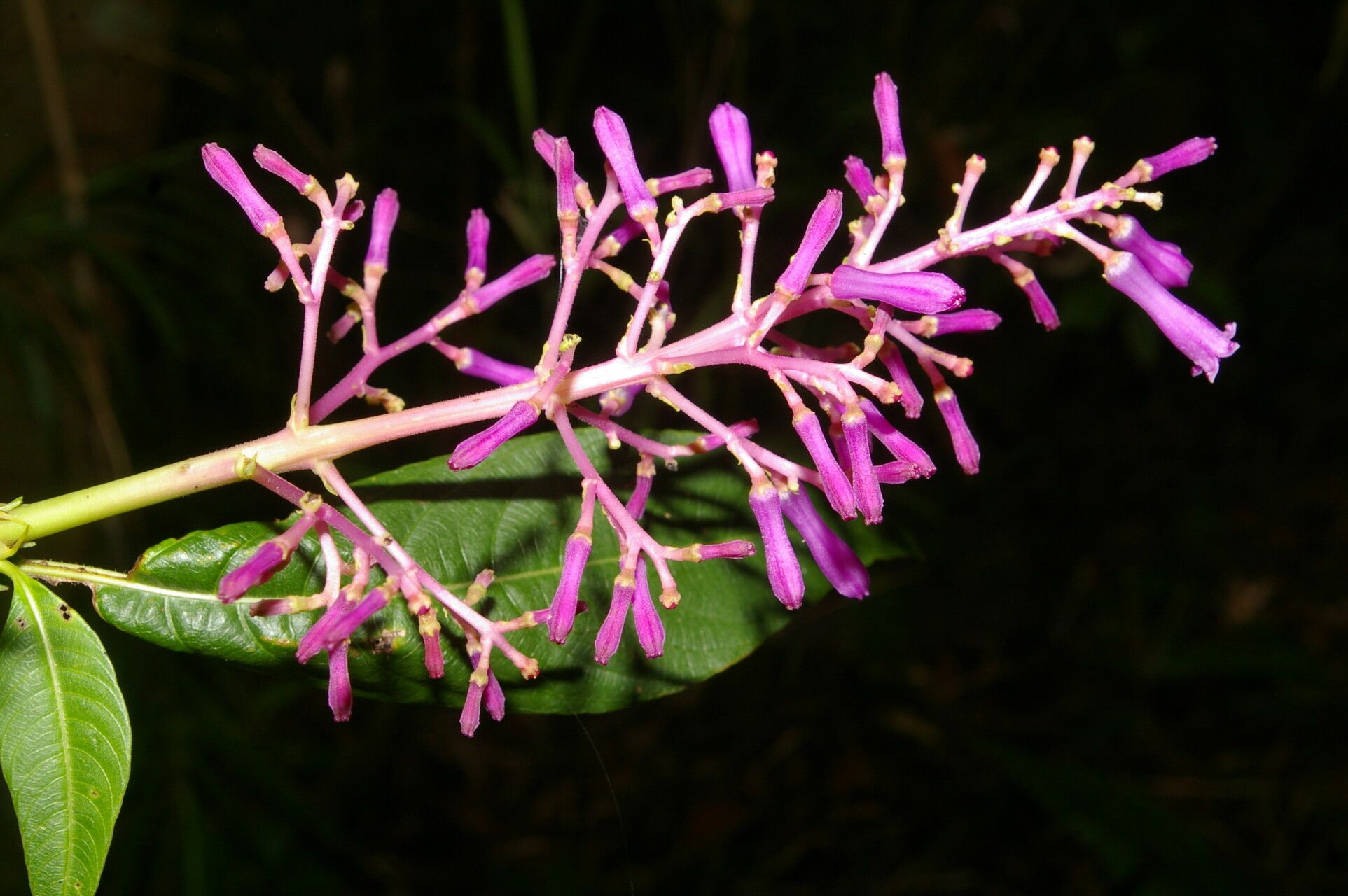
Unlocking the Secrets of the Flamebush: A Guide to Propagating Palicourea angustifolia
The Palicourea angustifolia, more commonly known as the Flamebush or Scarlet Flame, is a sight to behold. Bursting with vibrant orange-red blooms that resemble flickering flames, this tropical shrub can transform any garden into a fiery paradise. But the true magic of the Flamebush lies not just in its beauty, but also in the opportunity it presents for propagation – the art of creating new life from an existing plant.
While you can certainly find Flamebush plants at specialty nurseries, propagating your own offers a rewarding experience and an opportunity to expand your collection without breaking the bank. So, let’s delve into the captivating world of Palicourea angustifolia propagation.
Two Paths to Propagation: Seeds and Cuttings
There are two primary methods for propagating your Flamebush:
1. Seed Propagation:
- The Challenge: Flamebush seeds can be tricky to come by and have a reputation for being somewhat challenging to germinate. They require a specific environment and a bit of patience.
- The Process: If you manage to acquire viable seeds, sow them in a well-draining seed starting mix. Keep the soil consistently moist and warm (around 70-75°F). Germination can take anywhere from a few weeks to a couple of months.
2. Cutting Propagation:
- The Advantages: This method generally boasts a higher success rate and allows you to create a genetically identical replica of your parent plant.
- The Process:
- Timing is Key: Choose healthy, semi-hardwood cuttings in the spring or early summer when the plant is actively growing.
- Take the Cut: Using a sharp, sterilized knife or pruning shears, take cuttings that are approximately 4-6 inches long, just below a node (the point where a leaf emerges from the stem).
- Prepare the Cutting: Remove the lower leaves from the cutting, leaving only a couple of leaves at the top. You can dip the cut end in a rooting hormone powder to encourage root development (optional but helpful).
- Potting Time: Plant the cutting in a well-draining potting mix, making sure at least one node is buried. Water thoroughly.
- Creating a Humid Environment: Cover the pot with a clear plastic bag or use a humidity dome to create a warm, humid environment. This will help prevent the cutting from drying out.
- Patience is a Virtue: Keep the soil consistently moist and place the cutting in a well-lit area but out of direct sunlight. It may take several weeks for roots to develop.
Nurturing Your New Flamebush
Once your new Flamebush plants have rooted (in the case of cuttings) or have developed several sets of true leaves (in the case of seedlings), it’s time to transplant them into individual pots or directly into your garden. Remember, the Flamebush thrives in:
- Well-draining soil: This is crucial to prevent root rot.
- Partial shade to full sun: A bit of shade, especially during the hottest part of the day, is ideal.
- Regular watering: Keep the soil evenly moist but avoid overwatering.
Propagating your own Palicourea angustifolia is a gratifying experience that allows you to multiply the fiery beauty of this tropical gem. So, embrace the challenge, experiment with different methods, and soon enough, you’ll be rewarded with a garden ablaze in the vibrant hues of the Flamebush.