
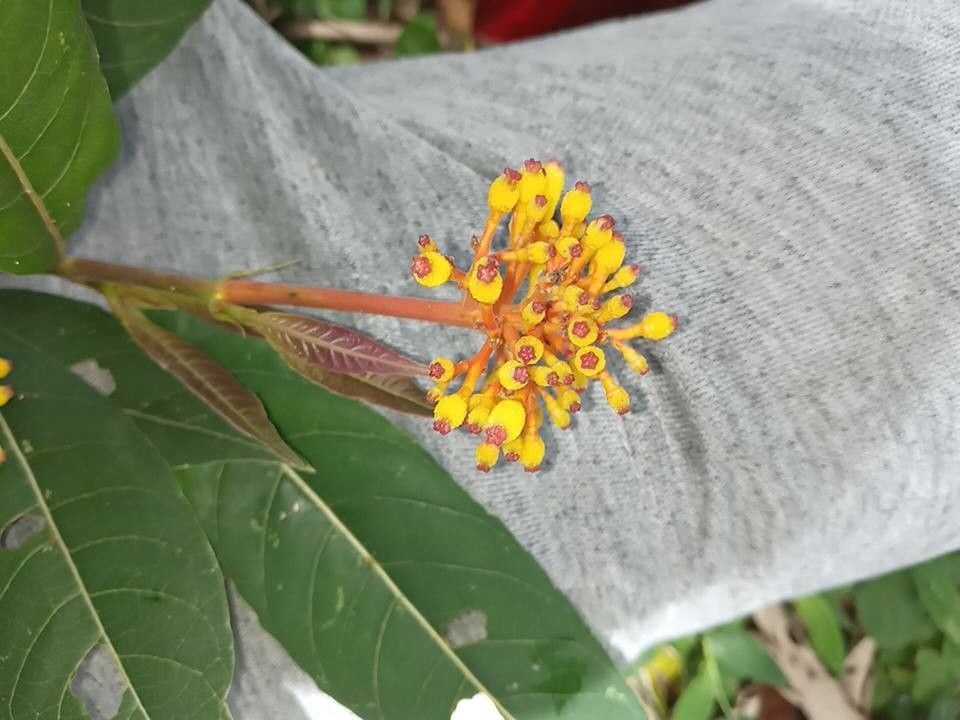
Propagating the Brazilian Coffee Plant: Cultivating Palicourea australis
Palicourea australis, commonly known as the Brazilian coffee plant or red-flowered coffee plant, is a captivating tropical shrub prized for its vibrant red, tubular flowers and glossy evergreen foliage. Its popularity among gardeners stems from its relatively easy care, attractive blooms which attract hummingbirds, and the interesting foliage. However, propagating this beautiful plant presents unique challenges, making successful cultivation all the more rewarding.
Seed Germination:
Currently, there are no known reliable methods for seed germination propagation of Palicourea australis. While seeds may be produced, their viability is extremely low, and germination rates are reported to be inconsistent and unreliable, even under optimal conditions. Further research into specific germination requirements, including potential stratification needs or pre-treatment techniques, might yield improved success in the future.
Cuttings:
Cuttings represent a more promising method for propagating Palicourea australis.
Challenges: The primary challenge lies in achieving successful rooting. Palicourea australis cuttings are prone to rot if not provided with excellent drainage and aeration. Furthermore, the appropriate rooting hormone and humidity levels are crucial for success.
Practical Tips: Take semi-hardwood cuttings (partially mature stems) in spring or early summer. Use a sharp, clean blade to prevent the transfer of diseases. Dip the cut ends in a rooting hormone powder designed for woody plants. Plant the cuttings in a well-draining mix, like a perlite and peat moss blend, ensuring good humidity (e.g., using a humidity dome or propagation tray). Maintain consistently moist but not soggy conditions. Bottom heat can significantly improve rooting success.
Rewards: Cuttings offer a relatively quick method of propagating genetically identical plants, preserving desirable characteristics of the parent plant. This method is ideal if you have a particularly prized specimen.
Division:
Division is generally not a viable method for propagating Palicourea australis. This plant doesn’t readily produce offsets or suckers that can be easily separated and replanted.
Tissue Culture:
Tissue culture offers the potential for large-scale propagation of Palicourea australis, overcoming the limitations of seed germination and cuttings.
Challenges: Establishing a successful tissue culture protocol requires specialized equipment, expertise, and sterile conditions. This method is generally more expensive and time consuming than cuttings.
Practical Tips: This method would require substantial research to determine optimal plant media and growth hormones for successful propagation. Development of a sterile technique to prevent contamination is vital.
Rewards: Tissue culture allows for rapid clonal multiplication, resulting in many genetically identical plants from a small starting material. This technique is useful for mass production and the conservation of rare genotypes.
Conclusion:
Propagating Palicourea australis presents unique hurdles regardless of the chosen method. While seed germination proves unreliable currently, cuttings provide a more achievable, albeit still demanding, approach requiring patience and attention to detail. Tissue culture offers the most promising avenue for large-scale propagation, but demands significant expertise and resources. The rewards, however, are well worth the effort. Successfully cultivating this beautiful plant from a cutting or through tissue culture offers a deep sense of accomplishment, a testament to your horticultural skill and dedication. Don’t be discouraged by initial setbacks; persistent experimentation and careful observation are key to unlocking the secrets of successfully propagating this worthwhile plant. Remember to prioritize good hygiene and environmental control to maximize your chances of success.