
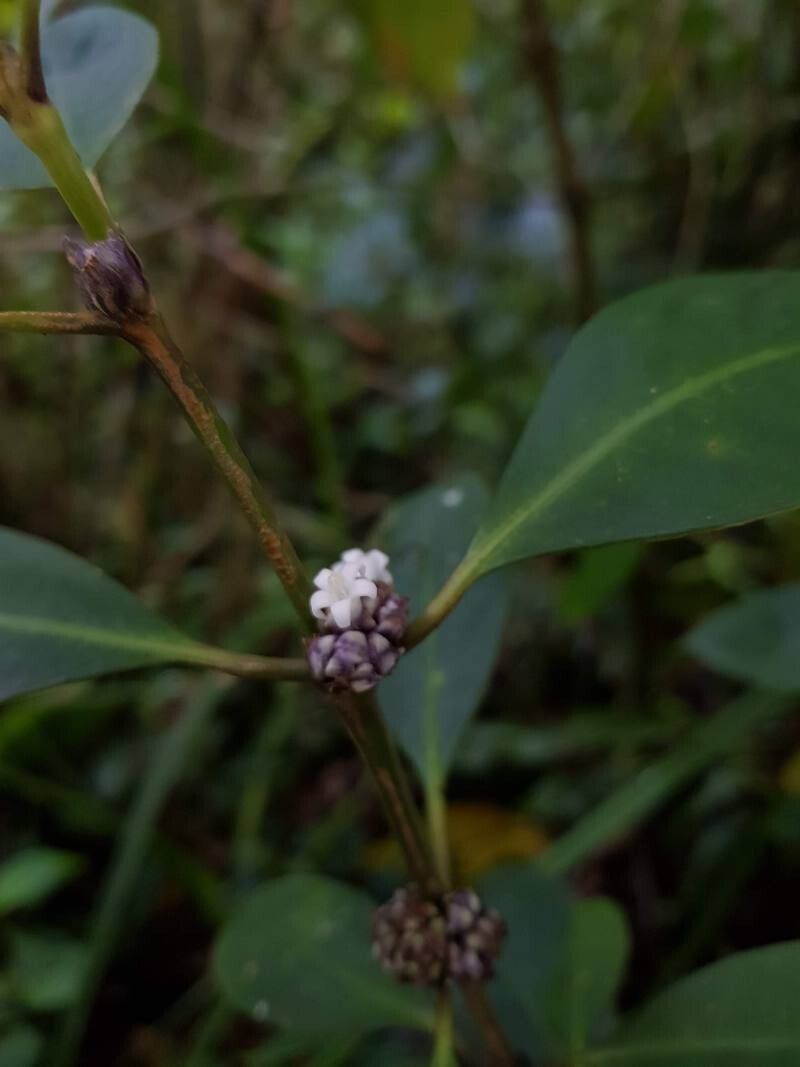
Unlocking the Secrets of Palicourea axillaris: A Propagation Guide for Vibrant Blooms
The plant world is full of captivating species, but few can rival the captivating beauty of Palicourea axillaris. This tropical shrub, native to the rainforests of Central and South America, enchants with its vibrant orange and yellow inflorescences that resemble tiny flames dancing amongst the foliage. But have you ever wondered how to bring this exotic beauty into your own home? While not commonly found in nurseries, propagating Palicourea axillaris is a rewarding challenge for passionate plant enthusiasts. Let’s explore the secrets to success!
Understanding the Plant:
Before diving into propagation, it’s essential to understand the plant’s lifecycle. Palicourea axillaris thrives in warm, humid environments with dappled sunlight. Knowing its natural habitat helps replicate similar conditions, increasing your chances of propagation success.
Two Paths to Propagation:
- Seed Propagation: This method, while potentially rewarding, can be challenging due to the limited availability of seeds and their often short viability period. If you manage to obtain fresh seeds, sow them in a well-draining seed-starting mix, keep them consistently moist and in a warm, brightly lit location. Be patient; germination can take several weeks to months.
Stem Cuttings: This method offers a more reliable route for propagating Palicourea axillaris. Here’s a step-by-step guide:
Timing is Key: The best time for taking cuttings is during the plant’s active growing season (spring to early summer), when it’s bursting with life and energy.
Selecting the Right Cutting: Choose healthy, non-flowering stems that are semi-mature – not too young and green, nor too woody. Ideally, the cutting should be 4-6 inches long with several nodes (the bumps where leaves emerge).
Preparation is Crucial: Using a sharp, sterilized knife or pruning shears, make a clean cut just below a node. Remove the leaves from the bottom third of the stem to prevent rotting.
Hormone Boost (Optional): While not strictly necessary, dipping the cut end in rooting hormone powder can significantly increase your success rate, encouraging faster and healthier root development.
The Planting Medium: A well-draining, airy mix is crucial for success. A mix of peat moss, perlite, and vermiculite works well. Moisten the mixture before inserting the cutting.
Creating a Humid Environment: High humidity is crucial. Cover the pot with a clear plastic bag or use a humidity dome to create a mini greenhouse. Place the pot in a warm location with bright, indirect light, ensuring the soil remains consistently moist but not waterlogged.
- Patience is a Virtue: Rooting can take several weeks to a couple of months. You’ll know roots have formed when you see new growth on the cutting.
Transplanting & Ongoing Care:
Once your cutting has developed a healthy root system, it’s time to transplant it into a larger pot with well-draining soil. Remember to mimic its natural habitat by providing bright, indirect light, warmth, and humidity. Fertilize regularly during the growing season to encourage lush foliage and vibrant blooms.
Conclusion:
Propagating Palicourea axillaris might require patience and diligence, but the reward of witnessing this rainforest gem flourish in your own space is well worth the effort. Remember to provide the right conditions, and you’ll be well on your way to enjoying the unique charm of this tropical beauty for years to come!