
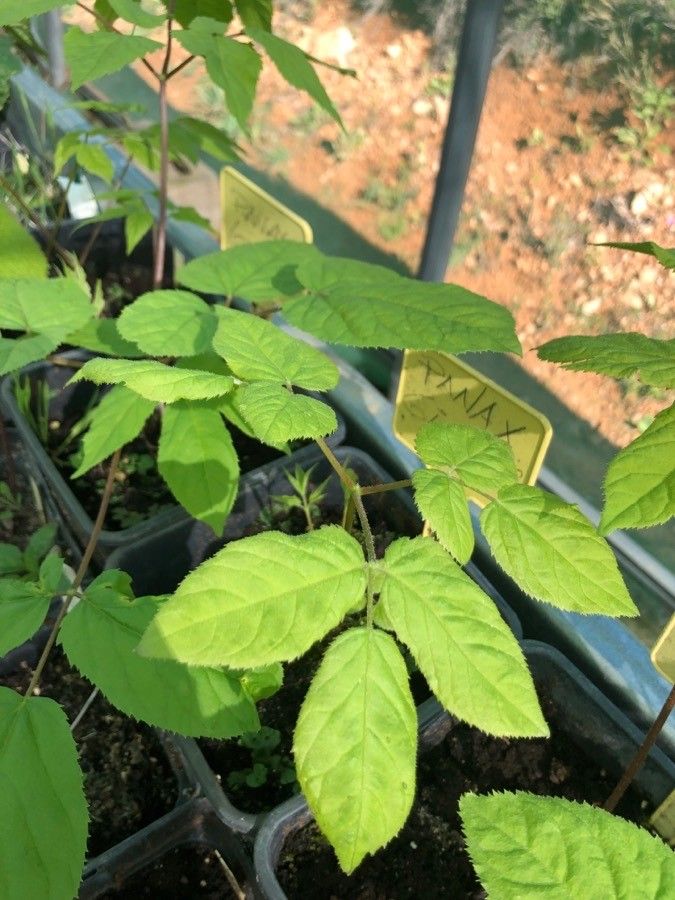
Unlocking the Secrets of Ginseng Propagation: Can You Grow This Ancient Root at Home?
Panax ginseng, revered for centuries in traditional medicine, conjures images of misty forests and ancient wisdom. This powerful root, known for its energy-boosting and cognitive-enhancing properties, has captivated humans for generations. But did you know that cultivating ginseng yourself, while challenging, can be a rewarding endeavor? Let’s delve into the intricate world of Panax ginseng propagation and explore the secrets to cultivating this botanical treasure.
Choosing Your Path: Seeds vs. Root Cuttings
Ginseng propagation presents two primary paths: starting from seeds or using root cuttings.
Seeds: The most common method, using seeds, offers a sense of accomplishment as you witness the entire life cycle. However, ginseng seeds are notoriously fickle. They require a period of cold stratification, mimicking the natural winter dormancy, which can last anywhere from 9 to 18 months. This process involves storing the seeds in a moist medium like sand or peat moss at a low temperature (around 38°F). Patience is key, as germination can take several weeks even after stratification.
- Root Cuttings: This method offers a shortcut, allowing you to bypass the lengthy stratification process. By taking cuttings from healthy, mature ginseng plants, you can potentially establish new plants faster. However, sourcing healthy cuttings can be challenging, and this method carries a higher risk of introducing diseases.
Creating the Perfect Ginseng Haven
Ginseng thrives in specific conditions that mimic its natural woodland habitat. Here’s what you need to consider:
- Shade: Intense sunlight is detrimental to ginseng. Aim to replicate the dappled light conditions found on the forest floor. Shade cloths or strategically placed trees can help achieve this.
- Soil: Well-drained, loamy soil rich in organic matter is crucial for ginseng to flourish. The ideal soil pH falls between slightly acidic to neutral (5.5 to 6.5).
- Moisture: Maintaining consistent soil moisture is essential, but avoid waterlogging, which can lead to root rot. Mulching with leaves or wood chips can help retain moisture and regulate soil temperature.
- Patience is a Virtue: Ginseng is a slow-growing perennial, demanding at least five to ten years to reach maturity for root harvest. This extended growth period highlights the dedication and long-term commitment needed for successful ginseng cultivation.
Tending Your Ginseng Treasure
Once your ginseng seedlings or cuttings are established, consistent care is essential for their well-being:
- Watering: Provide regular watering, especially during dry spells. Be attentive to the soil’s moisture level, aiming for a consistently damp but not soggy environment.
- Weed Control: Weeds compete with ginseng for nutrients and sunlight. Regular weeding around your plants is crucial, but exercise caution to avoid disturbing the delicate ginseng roots.
- Pest and Disease Management: Ginseng is susceptible to various pests and diseases. Regularly inspect your plants for signs of trouble, such as wilting leaves, discoloration, or insect activity. Early detection and appropriate intervention are key to protecting your ginseng investment.
Reaping the Rewards (Eventually!)
Harvesting ginseng is a momentous occasion, marking the culmination of years of patient cultivation. Typically, roots are harvested after five to ten years of growth when their medicinal properties are at their peak. However, waiting even longer can result in larger, more potent roots.
Growing Panax ginseng is not for the faint of heart. It demands patience, dedication, and a deep understanding of this ancient plant’s needs. But for those willing to embrace the challenge, cultivating this botanical treasure can be an immensely rewarding experience, connecting you to nature’s rhythms and providing access to a powerful medicinal plant within your own backyard.