
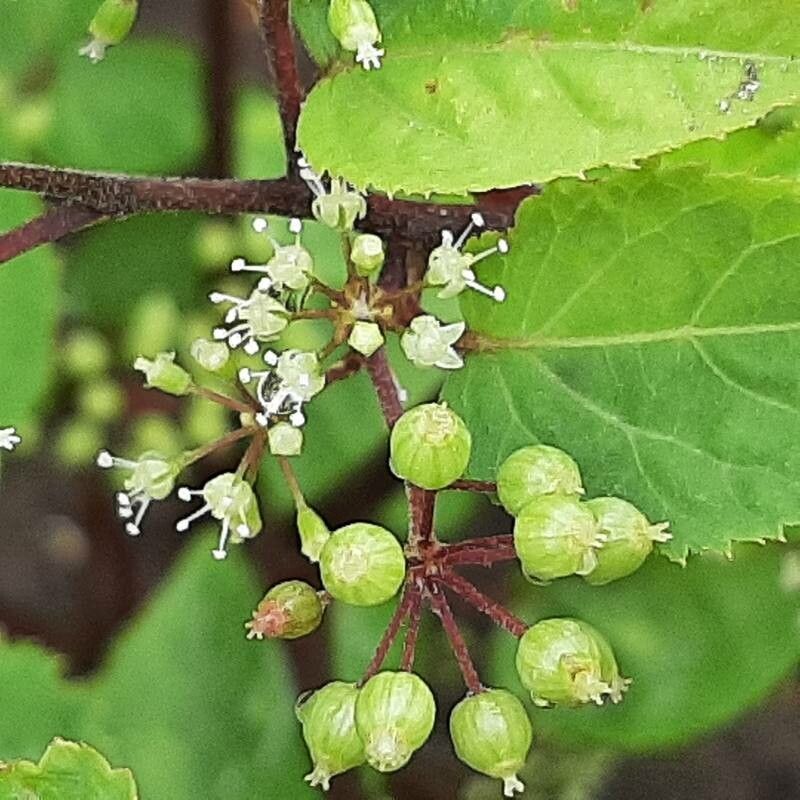
Unlocking the Secrets of American Ginseng Propagation: A Guide to Growing Your Own
American Ginseng (Panax quinquefolius) is a fascinating plant with a long history of medicinal use. Its roots, known for their purported health benefits, have made it a valuable commodity. But growing your own American Ginseng can be a rewarding experience, offering a connection to nature and the potential for personal use or even a small-scale growing operation. Learning to propagate this plant, however, requires some knowledge and patience.
Understanding the Basics
American Ginseng propagation is primarily done through seeds. These tiny seeds require a specific set of conditions to germinate, making the process somewhat challenging. Here’s a breakdown of the key steps:
Seed Collection: Freshly harvested seeds are the most viable. You can find them in late summer/early fall by searching for the bright red berries of mature ginseng plants.
- Stratification: Ginseng seeds require a period of cold stratification to break dormancy. This mimics the natural winter conditions they would experience.
- Cold stratification: Place the collected berries in a moist, cool environment (like a refrigerator) for a minimum of 6-8 weeks.
- Sowing: Once stratified, sow the seeds in a shaded location with loose, well-drained soil.
- Depth: Bury the seeds just a little below the soil surface.
- Moisture: Maintain consistent moisture, but avoid overwatering.
Growing Your Ginseng Seedlings
- Patience is Key: Ginseng seedlings grow very slowly. It may take them a year or more to emerge from the soil.
- Shade and Moisture: Provide ample shade and consistently moist soil, particularly during the first few years.
- Weed Control: Keep the area around the young seedlings weed-free.
Alternatives to Seed Propagation
While seed propagation is the traditional and most common method, there are alternative ways to grow ginseng:
- Root Division: If you have an established ginseng plant with multiple roots, you can carefully divide it to create smaller, independent plants.
- Tissue Culture: This advanced technique involves cultivating ginseng cells in a sterile environment to produce multiple plants quickly. However, it requires specialized equipment and knowledge.
Important Considerations:
- Location: Ginseng thrives in shaded, cool, moist environments with rich, well-drained soil.
- Climate: American ginseng grows best in USDA hardiness zones 3-7 with cool summers and cold winters.
- Sustainability: Harvesting responsibly is crucial for the long-term sustainability of wild ginseng populations.
Benefits of Home-Grown Ginseng
Growing your own American ginseng can offer several advantages:
- Control and Quality: You can ensure the quality and purity of your plants, controlling factors like soil and fertilizer.
- Cost-Effective: Growing your own ginseng can save money compared to purchasing it from commercial sources.
- Connection to Nature: Cultivating this fascinating plant can be a rewarding experience, connecting you to the natural world.
Conclusion
Propagating American ginseng is a journey that requires patience and attention to detail, but it can be a fulfilling experience. Combining proper seed collection, stratification, and growing techniques with an understanding of ginseng’s needs can lead to thriving plants and the reward of home-grown, high-quality ginseng.