
Propagating Pancheria ternata: A Gardener’s Guide to the Ternate Pancheria
Introduction
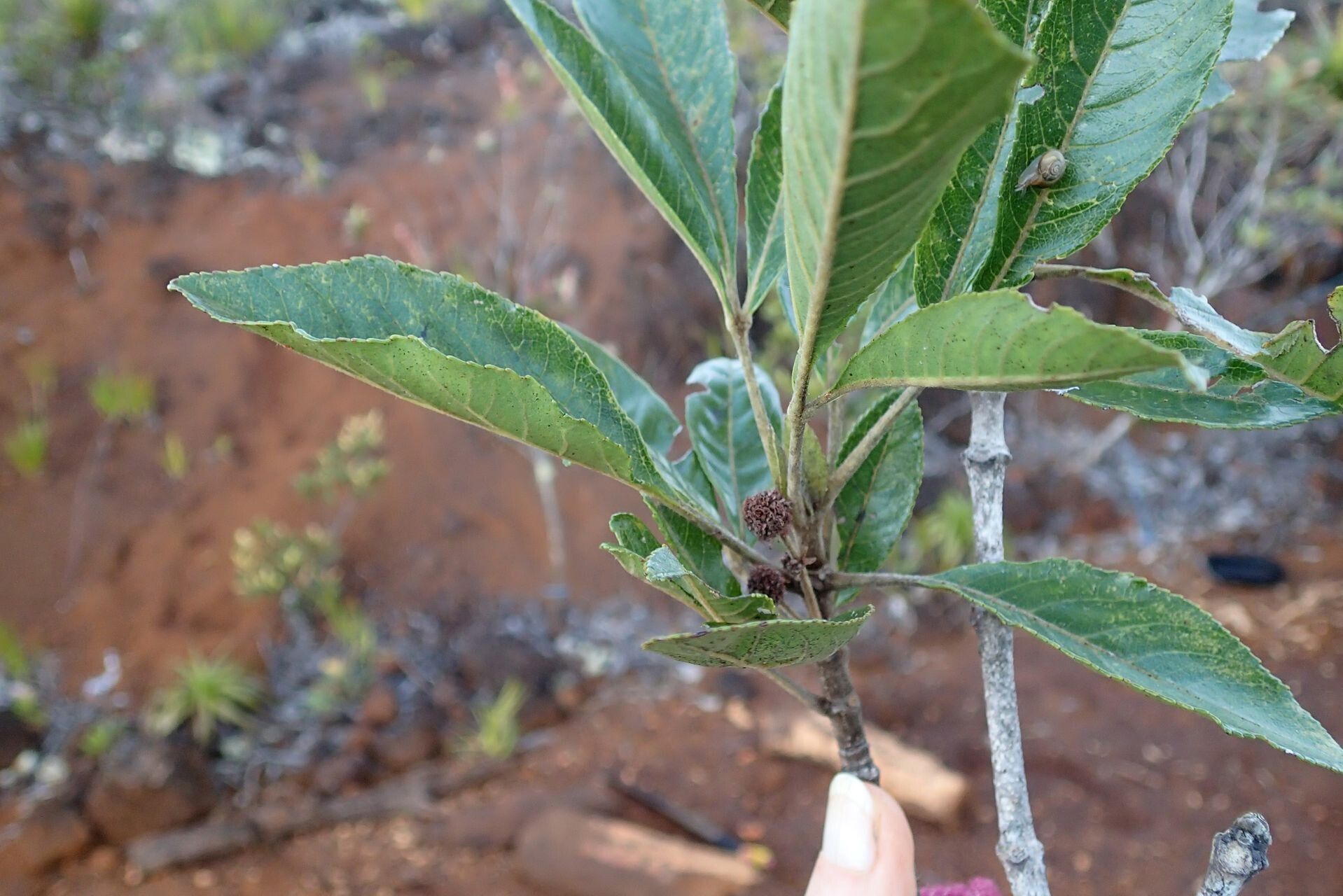
Pancheria ternata, commonly known as the ternate pancheria, is a captivating shrub native to New Caledonia, prized for its glossy, dark green foliage and attractive, small white flowers. Its relatively compact habit and unique aesthetic make it a desirable addition to gardens, especially those specializing in rare or unusual plants. However, its limited availability in the horticultural trade highlights a critical point: propagating Pancheria ternata presents significant challenges. This article explores various propagation techniques, weighing their success rates and offering practical advice for those willing to embark on this rewarding – albeit challenging – endeavor.
Seed Germination:
Currently, there are no known reliable methods for seed germination propagation of Pancheria ternata. While seeds may be produced, their viability and germination rates are reportedly extremely low, if existent at all. Further research into seed collection techniques, optimal storage conditions, and potential pre-treatment methods (like scarification or stratification) is needed to determine the feasibility of seed propagation.
Cuttings:
Propagating Pancheria ternata via cuttings presents a more promising, though still difficult, avenue.
Challenges: Pancheria ternata cuttings are notoriously difficult to root. The success rate is generally low, even under optimal conditions. This is likely due to the plant’s inherent physiological characteristics and potential susceptibility to fungal diseases during the rooting process.
Practical Tips: Semi-hardwood cuttings taken in late summer or early autumn offer the best chance of success. Use a sharp, sterilized blade to take cuttings of approximately 10-15cm, removing lower leaves to prevent rot. Dip the cut ends in a rooting hormone and plant them in a well-draining propagation mix (e.g., perlite and peat moss). Maintain high humidity using a propagation dome or plastic bag, and ensure consistent moisture without overwatering. Bottom heat can also significantly improve rooting success.
Rewards: While challenging, successful rooting of cuttings allows for the clonal propagation of desirable individuals, preserving specific characteristics of the mother plant.
Division:
Division is not a viable propagation method for Pancheria ternata. This species is generally not amenable to root division due to its woody root system and established growth pattern.
Tissue Culture:
Tissue culture offers the most potential for large-scale, reliable propagation of Pancheria ternata.
Challenges: Establishing a successful tissue culture protocol for this species requires significant expertise and resources, including sterile laboratory conditions, specialized media, and knowledge of plant tissue culture techniques. Finding appropriate growth regulators and overcoming potential contamination issues are crucial hurdles.
Practical Tips: Consult with experienced plant tissue culturists for guidance on media formulation, sterilization protocols, and optimal growth conditions. This technique requires sophisticated laboratory equipment and aseptic practices.
Rewards: Tissue culture offers the highest potential for producing a large number of genetically identical plants, thereby ensuring the conservation and propagation of desirable genotypes.
Conclusion:
Propagating Pancheria ternata presents considerable challenges across all explored methods. Seed germination is currently unreliable, cuttings offer a low but attainable success rate with painstaking care, division is not feasible, and tissue culture demands significant resources and expertise. The rewards, however, are significant. The ability to successfully cultivate this rare and beautiful species from cuttings or through tissue culture provides a deep sense of accomplishment and contributes to the conservation of this unique New Caledonian plant. For those passionate about horticulture and willing to persevere through the difficulties, the unique satisfaction earned from a successfully propagated Pancheria ternata makes the challenge worthwhile. Remember patience, meticulous attention to detail, and possibly, collaboration with experts in plant propagation are key to success.