
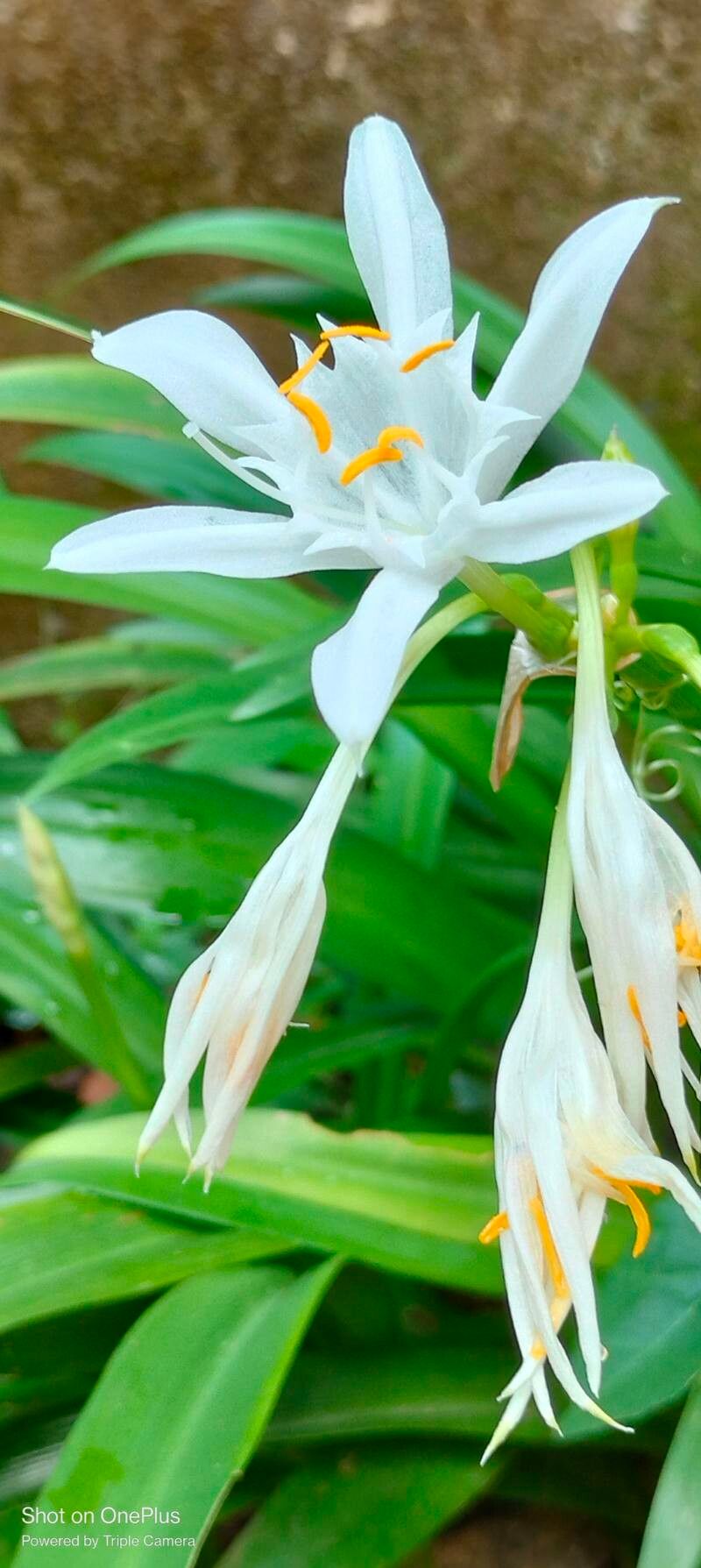
Unveiling the Secrets: Propagating the Elegant Pancratium triflorum
Pancratium triflorum, also known as the three-flowered sea daffodil, is a captivating bulbous perennial prized for its elegant, fragrant, white flowers that grace gardens with their presence during late summer and early fall. If you’re lucky enough to have this beauty gracing your garden, you might be wondering how to multiply your floral bounty. Well, look no further! This article will delve into the fascinating world of Pancratium triflorum propagation, revealing the secrets to successfully expanding your collection.
Two Roads to Multiplicity: Seeds and Offsets
Nature offers two primary pathways for propagating Pancratium triflorum: seeds and offsets.
The Seed Route: Witnessing the seed production of this enchanting plant is a treat in itself. After the majestic blooms fade, intriguing seed pods emerge, maturing into brown, leathery capsules. These pods hold the promise of new life, containing large, black seeds often described as resembling pieces of charcoal.
To embark on your seed propagation journey, begin by carefully collecting the mature pods before they split open, scattering their treasures to the wind. Sow the seeds fresh, as their viability declines with time. Plant them in a well-draining potting mix, lightly covering them with soil. Patience is key with seed propagation; germination can take anywhere from a few weeks to a couple of months. Provide your seedlings with bright, indirect light and consistent moisture, and soon enough, you’ll be rewarded with a new generation of Pancratium triflorum.
The Offset Adventure: Over time, well-established Pancratium triflorum plants will often treat you to a welcome surprise—offsets, also known as bulbils, emerging around the base of the mother plant. These miniature versions of the parent plant offer a quicker and often easier propagation method compared to seeds.
When the offsets have developed a good root system, carefully detach them from the mother plant. It’s best to do this during the dormant season when the plant’s energy is focused inward. Plant the offsets individually in well-draining soil, ensuring the top of the bulb is just below the soil surface. Water them well and provide the same care as you would for mature plants.
Nurturing Your Propagated Gems
Whether you choose the path of seeds or offsets, providing the right growing conditions is crucial for your newly propagated Pancratium triflorum to thrive. This sun-loving species revels in at least six hours of direct sunlight each day. When it comes to watering, aim for a balance—the soil should be kept moist but never waterlogged, which can lead to bulb rot.
Reaping the Rewards of Patience
While propagating Pancratium triflorum requires a touch of patience, the rewards are well worth the wait. Each new plant represents not only an expansion of your garden’s beauty but also a testament to your nurturing touch and your connection to the remarkable cycle of plant life. So, embrace the challenge, delve into the world of propagation, and let the elegant beauty of Pancratium triflorum grace your garden for years to come.