
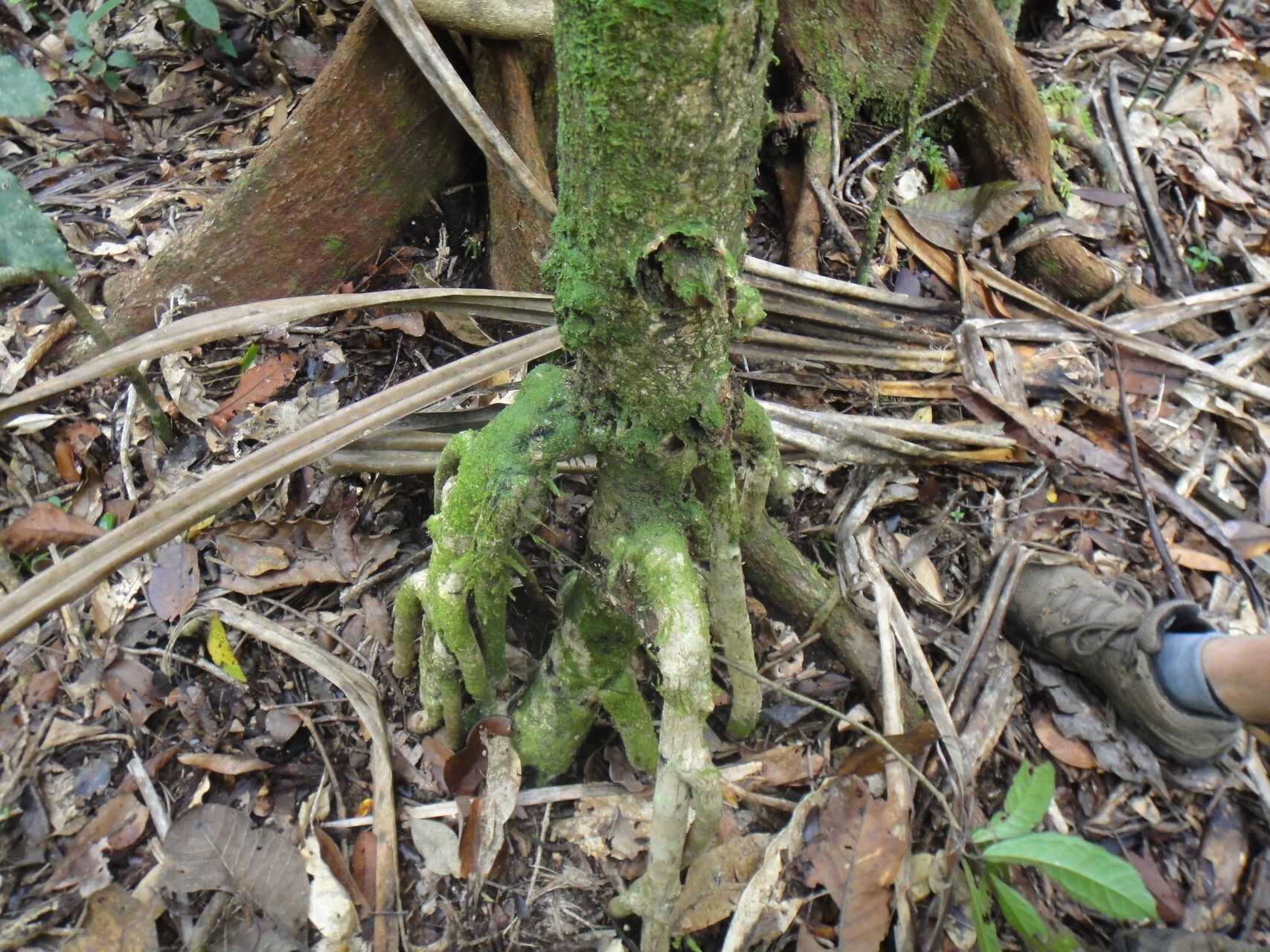
Multiply Your Madagascar: Propagating the Striking Pandanus balansae
The Pandanus balansae, with its spiraling leaves and striking variegated patterns, brings a touch of the exotic to any space. Native to Madagascar, this tropical beauty, also known as the “Balansa Screw Pine” (despite not being a pine at all!), adds a unique architectural element to gardens lucky enough to host it. While admiring their mature form is a joy, many are surprised to learn that propagating these stunners is an achievable feat, even for the average plant enthusiast.
This article will guide you through the steps to successfully multiply your Pandanus balansae, allowing you to share this botanical gem with friends or expand your own collection.
While Pandanus balansae can technically be grown from seed, it’s a lengthy process with variable success rates. The most reliable and commonly practiced method is propagation from offshoots.
Step-by-Step Guide to Propagating from Offshoots:
- Identify and Select Offshoots: Mature Pandanus balansae often produce small plantlets at their base, known as offshoots or pups. Choose offshoots that are at least 6 inches tall with healthy roots already developing.
- Gently Remove the Offshoot: Using a sharp, sterilized knife or pair of pruning shears, carefully separate the offshoot from the mother plant. Ensure you make a clean cut, preserving as much of the pup’s root system as possible.
- Prepare the Planting Medium: The ideal potting mix for Pandanus balansae is well-draining and slightly acidic. A mixture of peat moss, perlite, and sand, or a pre-mixed aroid potting soil, works well.
- Pot the Offshoot: Choose a pot slightly larger than the offshoot’s root ball. Place a layer of drainage material at the bottom, add some potting mix, and position the offshoot, ensuring the base of the plant sits level with the rim of the pot. Fill the remaining space with more potting mix, gently firming it around the base.
- Water and Location: Thoroughly water the newly potted offshoot, allowing excess water to drain. Place the pot in a warm, brightly lit location, but avoid direct sunlight, which can scorch the young leaves.
- Maintain Humidity and Patience: Pandanus balansae thrives in humid environments. To encourage rooting, you can create a mini greenhouse effect by covering the pot with a clear plastic bag or placing it inside a humidity dome. Mist the plant regularly and keep the soil consistently moist but not soggy.
- Transplanting: Rooting typically takes several weeks. Once the offshoot shows signs of new growth, it indicates successful rooting. After a few months, when the roots start circling the bottom of the pot, you can transplant it into a larger container using the same well-draining soil mixture.
Tips for Success:
- Timing is Key: Spring and early summer are the optimal times for propagation, coinciding with the plant’s natural growth cycle.
- Sterilization Matters: Always sterilize your cutting tools with rubbing alcohol before and after use to prevent the spread of diseases.
- Be Patient and Observant: Don’t be discouraged if your first attempt doesn’t go perfectly. Propagating plants is a learning process. Pay attention to your plant’s needs and adjust your care accordingly.
By following these steps and exercising a little patience, you’ll be well on your way to multiplying your Pandanus balansae. Sharing the joy of this fascinating plant is easy and rewarding, and your propagated offshoots are sure to become treasured additions to any plant lover’s collection.