
Unveiling the Secrets of Pandanus bilinearis Propagation: From Seed to Splendor
The Pandanus bilinearis, also known as the “Screw Pine,” isn’t your typical houseplant. Characterized by its striking palm-like appearance and long, spirally arranged leaves, it instantly adds a touch of the tropics to any setting. But unlike many popular houseplants, propagating Pandanus bilinearis is a journey of patience and a rewarding experience for dedicated plant enthusiasts. So, let’s unravel the secrets of multiplying this captivating plant and welcoming more of its unique beauty into your home.
Method 1: Embarking on the Seed Adventure (for the Patient Gardener)
While Pandanus bilinearis predominantly reproduces through offshoots, adventurous souls can attempt propagation from seed. However, be prepared for a long and meticulous process.
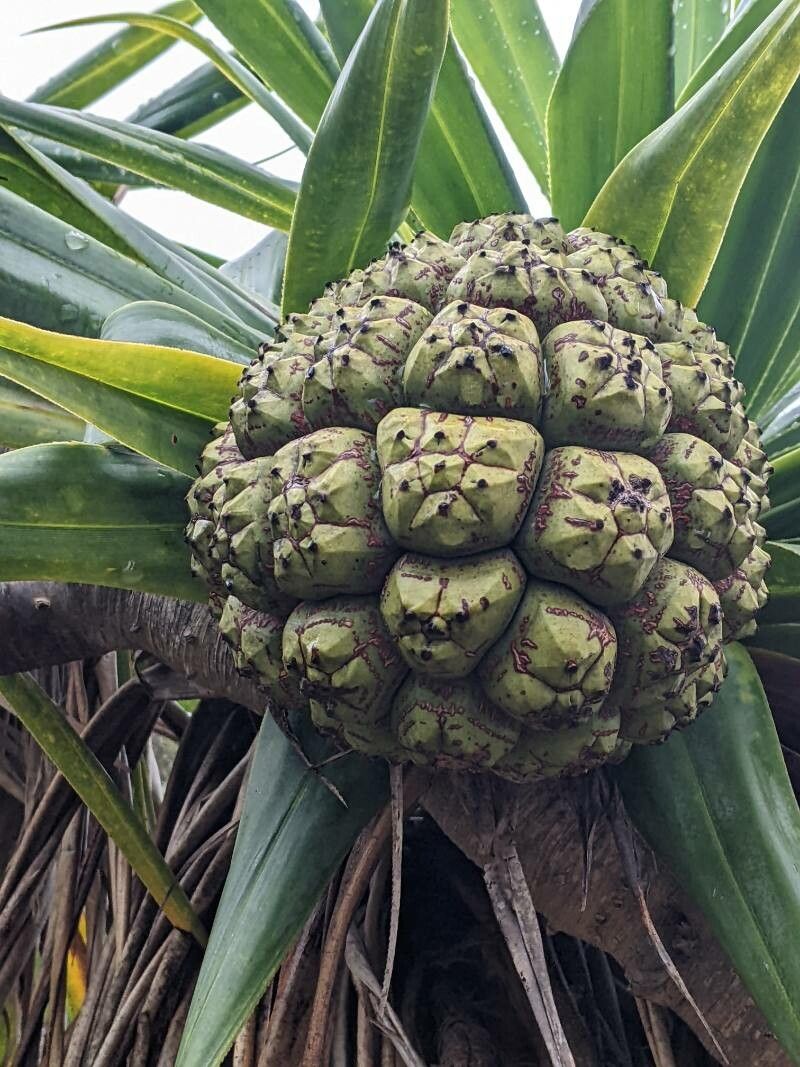
- Source Your Bounty: Seeds are often challenging to find commercially, so your best bet is to obtain fresh seeds from ripe fruits of an established Pandanus bilinearis plant.
- Prepare for Germination: Soak the seeds in warm water for 24 hours to enhance germination rates.
- Create the Perfect Nursery: Plant the seeds in a well-draining seed-starting mix, ensuring they are barely covered with the medium.
- Patience is Key: Place the seed trays in a warm, bright location, away from direct sunlight. Keep the soil consistently moist, but not waterlogged. Germination is sporadic and can take anywhere from a few weeks to several months.
- Nurturing the Seedlings: Once the seedlings emerge and develop a few true leaves, they can be transplanted into individual pots with well-draining potting mix.
Method 2: The Offshoot Express (for a More Predictable Outcome)
The most common and reliable method for propagating Pandanus bilinearis is through its offshoots, also known as “pups.” These miniature versions of the mother plant emerge at the base and offer a quicker route to success.
- Identify the Right Candidate: Choose healthy, well-established offshoots with visible roots.
- Separate with Care: Using a clean, sharp knife or pruning shears, carefully sever the offshoot from the mother plant, ensuring you retain some of its root system.
- Potting Your Pups: Plant the offshoots in individual pots containing a well-draining potting mix. Ensure the base of the offshoot sits at the same level as it was in the original pot.
- Provide a Nurturing Environment: Place the newly potted offshoots in a warm, bright location, but away from direct sunlight. Water them regularly, allowing the soil to dry slightly between waterings.
Essential Care for Successful Propagation:
No matter which method you choose, remember that Pandanus bilinearis thrives in warm, humid environments. Providing adequate humidity is crucial, especially for newly propagated plants. Consider using a humidifier, placing a tray of water nearby, or misting your plants regularly.
Propagating Pandanus bilinearis might require a little extra patience and attention to detail compared to other houseplants. However, the joy of witnessing a new generation of these striking specimens emerge is a rewarding experience for any plant lover. So, embrace the challenge, channel your inner plant parent, and let the propagation journey begin!