
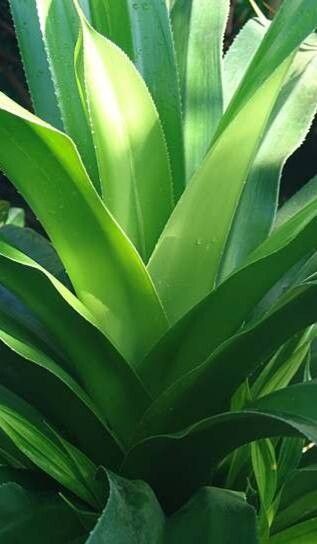
From One to Many: Mastering the Art of Pandanus Candelabrum Propagation
The Pandanus candelabrum, with its striking architectural form and lush green foliage, is a coveted addition to any indoor space. But what if you could expand your collection of these unique beauties without spending a fortune on new plants? The answer lies in propagation, a fascinating way to create new plants from existing ones.
Understanding the Basics
Propagation involves taking a part of a parent plant, like a leaf, stem cutting, or root, and encouraging it to develop into a new, independent plant. Pandanus candelabrum, like many tropical plants, is easily propagated using air layering, also known as aerial layering. This method exploits the plant’s natural tendency to root from its stem. Here’s how it works:
Step-by-Step Guide to Air Layering
- Choose the Right Stem: Select a healthy, mature stem on your Pandanus candelabrum. Look for a section that’s about the thickness of your thumb, free of any damage or disease.
- Make the Cut: Using a sharp, sterile knife or pruning shears, carefully make a ring-shaped cut around the stem, about an inch from the base of a leaf cluster.
- Expose the Roots: Gently scrape away the bark from the cut area, exposing the cambium layer where new roots will form.
- Apply Rooting Hormone (Optional): A rooting hormone powder can be applied to the cut area to encourage faster root development.
- Wrap the Cut: Moisten a generous amount of sphagnum moss and wrap it tightly around the cut area. This helps retain moisture and provides a base for root growth.
- Secure the Moss: Wrap the moss with plastic wrap to create a humid environment. Secure it with tape or twine.
- Maintain Moisture: Keep the moss consistently moist, but not soaked. Regular misting with water will help.
- Patience is Key: It can take several months for roots to develop. Check periodically for signs of new growth underneath the moss.
- Detach and Pot: Once roots have formed, carefully cut the stem below the wrapped area. Remove the plastic wrap and moss, then plant the newly rooted piece in a well-draining potting mix.
Tips for Success
- Timing Matters: Air layering is best done during the active growing season, typically in spring or summer.
- Light and Temperature: Ensure the Pandanus candelabrum is receiving plenty of indirect sunlight and is kept in a warm, humid environment.
- Watering: Water the plant regularly, allowing the soil to dry slightly between waterings. Avoid overwatering.
Sharing the Joy
Once the new plants have established themselves, you can share them with friends, family, or even sell them at a local plant market. The joy of growing your own Pandanus candelabrum from scratch is truly rewarding!
Beyond Air Layering
While air layering is the most common method for propagating Pandanus candelabrum, you can also try taking stem cuttings. This involves taking a section of stem with multiple leaves and rooting it in a suitable medium, similar to other houseplants.
In Conclusion
Propagating your Pandanus candelabrum is a fun and fulfilling endeavor that can be done by beginners and enthusiasts alike. With some patience and basic gardening knowledge, you can easily expand your collection and share the beauty of these stunning plants with others. So, why not give it a try and watch your Pandanus candelabrum transform into multiple, thriving plants?