
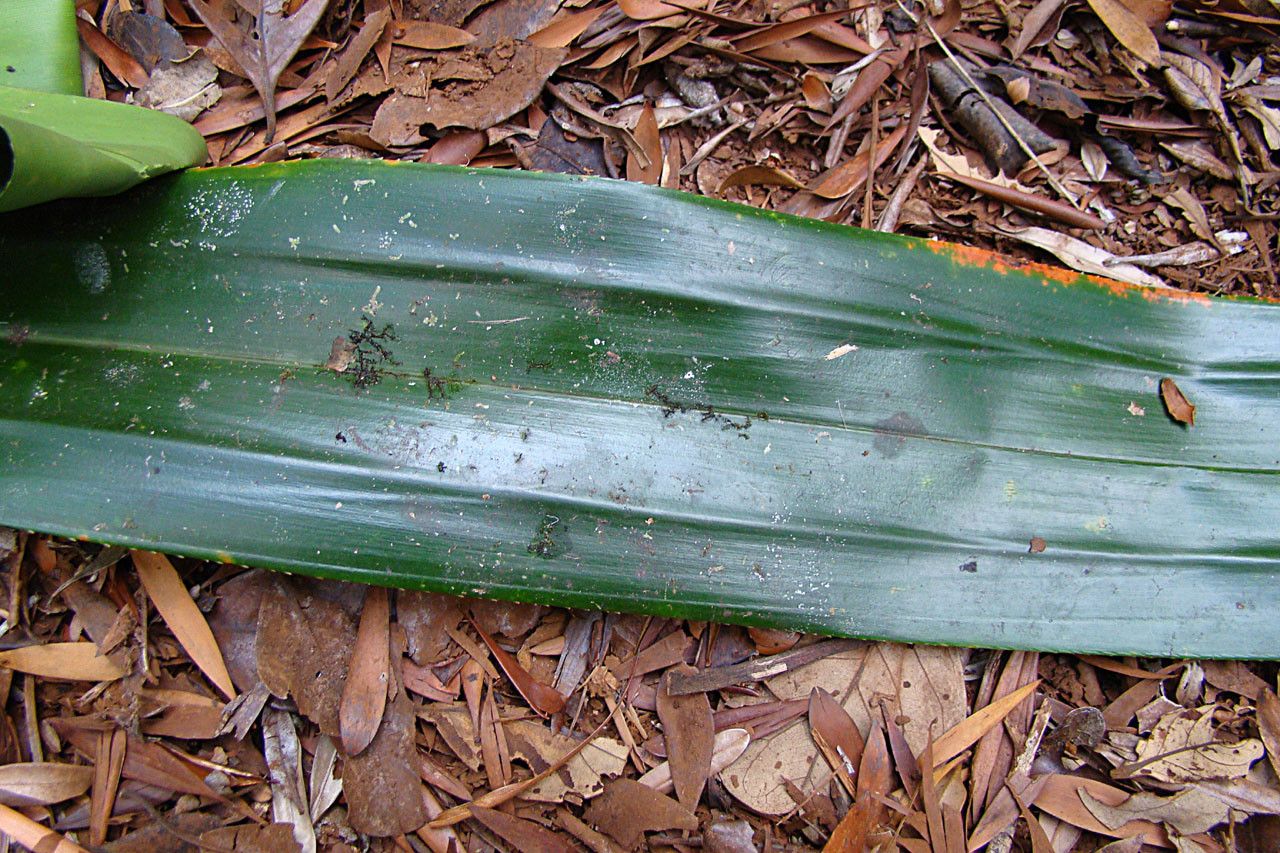
Uncoiling the Secrets: Propagating the Striking Pandanus serpentinicus
The Pandanus serpentinicus, with its serpentine leaves and architectural silhouette, is a showstopper in any tropical garden. Unlike its more common cousin, the Pandanus amaryllifolius (Pandan leaf), the serpentinicus is treasured for its ornamental value, boasting vibrant green leaves striped with contrasting yellow or white. If you’re lucky enough to have this beauty grace your space, you might be wondering how to get more of it. Good news – propagating Pandanus serpentinicus, while not as common as other houseplants, isn’t as daunting as you might think. Let’s explore the possibilities!
Method 1: Offsets – The Natural Way
Pandanus serpentinicus naturally produces offsets, or “pups,” – miniature versions of themselves – at the base of the plant. This characteristic makes propagation through offsets the easiest and most successful method.
- Identify a Healthy Offset: Choose an offset that has developed a good root system and is at least 6-8 inches tall.
- Separate with Care: Using a sharp, sterile knife or pruning shears, carefully separate the offset from the mother plant, ensuring you get as much of its root system as possible.
- Potting & Patience: Plant the offset in a well-draining potting mix and water thoroughly. Place it in a warm, bright location, out of direct sunlight.
- Watch it Grow: It will take a few weeks for the offset to establish itself. Once you see new growth, congratulations, you’ve successfully propagated your Pandanus serpentinicus!
Method 2: Branch Cuttings – A Worthwhile Challenge
While not as common or straightforward as offset propagation, you can try your hand at rooting branch cuttings.
- Select & Cut: Choose a healthy branch, ideally from the current year’s growth. Using sterile shears, cut a section that is at least 12-16 inches long.
- Prepare the Cutting: Remove the lower leaves, leaving only 2-3 leaves at the top.
- Root Hormone (Optional): Dip the cut end of the branch in rooting hormone to encourage root development.
- Planting Medium: Plant the cutting in a pot filled with a well-draining, peat-based potting mix.
- Moisture & Warmth: Water thoroughly and cover the pot with a plastic bag to create a humid environment. Place it in a warm, bright location out of direct sunlight.
- Patience is Key: Rooting can take several weeks or even months. Once you see new growth, you’ll know your cutting has successfully rooted.
Important Considerations:
- Timing: The best time to propagate is during the plant’s active growing season, typically spring or early summer.
- Patience: Propagating Pandanus serpentinicus, especially from cuttings, requires patience. Don’t be discouraged if it takes some time.
- Optimal Conditions: Provide your newly propagated plants with warmth, humidity, and bright, indirect light to thrive.
Propagating your Pandanus serpentinicus might require a touch of patience and a dash of green-thumb magic, but the rewards are well worth the effort. By mastering these techniques, you can multiply your collection of this stunning tropical plant and share its mesmerizing beauty with others!