
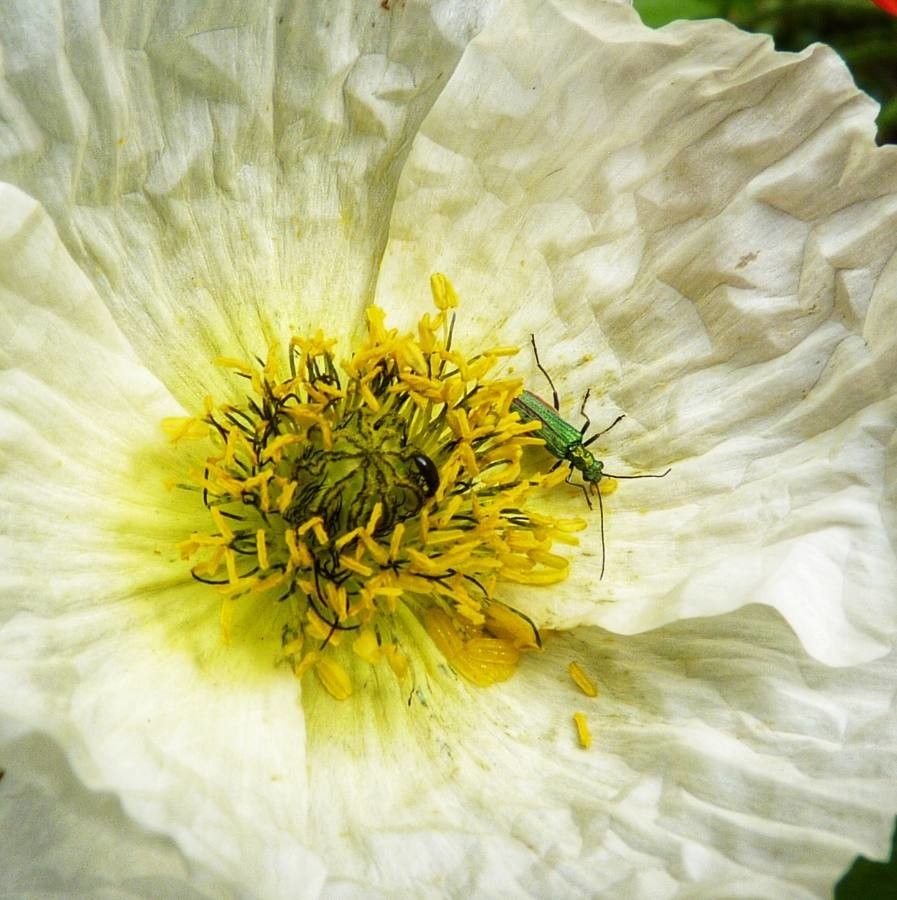
Alpine Poppy Propagation: A Tiny Treasure You Can Easily Multiply
The Alpine Poppy (Papaver alpinum), with its delicate, papery blooms bobbing above low mounds of feathery foliage, is a captivating sight. This charming alpine wildflower, native to the mountainous regions of Europe, brings a touch of whimsical beauty to rock gardens, borders, and even containers. And the best part? Propagating Alpine Poppies is surprisingly straightforward, allowing you to easily multiply these fleeting beauties and enjoy their loveliness year after year.
Seeds: Sow the Magic of the Mountains
The most common and rewarding method for propagating Alpine Poppies is by seed. Here’s how:
- Timing is Key: For best results, sow seeds directly outdoors in the fall or early spring. Alpine Poppies thrive in cooler temperatures, so aim for a period when the ground is workable but frost is still a possibility.
- Location, Location, Location: Choose a spot with well-drained soil and full sun to partial shade. These alpine natives prefer a slightly alkaline soil, so consider amending with lime if your soil is acidic.
- Scatter and See: Sprinkle the tiny seeds thinly over the soil surface, lightly pressing them in. Alpine Poppy seeds need light to germinate, so avoid burying them deeply.
- Patience is a Virtue: Germination can take anywhere from a few weeks to a couple of months, depending on the temperature and moisture levels. Keep the soil consistently moist but not waterlogged.
- Thinning the Herd: Once the seedlings have a couple of sets of true leaves, thin them out to about 6-8 inches apart. This allows each plant enough space to flourish.
Division: Sharing the Bounty
While slightly trickier than seed propagation, dividing established Alpine Poppy clumps can be done with careful handling. Here’s how to approach it:
- Timing is Crucial: Divide plants in early spring or autumn when they are dormant or just beginning to show new growth.
- Gentle Hands: Carefully lift the clump from the ground, ensuring you get as much of the root system as possible.
- Sharp Division: Use a sharp, clean knife or garden spade to divide the clump into smaller sections, each containing a good amount of roots and shoots.
- Replant and Rejuvenate: Replant the divisions immediately at the same depth they were growing previously. Water them thoroughly and provide some shade for the first few days while they re-establish.
A Few Tips for Success:
- Fresh is Best: Alpine Poppy seeds have a relatively short shelf life. For optimal germination rates, use fresh seeds collected from your own plants or purchase from a reputable supplier.
- Well-Drained is Key: Soggy soil is the enemy of Alpine Poppies, leading to root rot. Ensure excellent drainage in your chosen location.
- Embrace the Ephemeral: Remember that Alpine Poppies are short-lived perennials. However, with proper care and a bit of luck, they will readily self-seed, ensuring a beautiful display for years to come.
Propagating Alpine Poppies is a rewarding endeavor that allows you to easily expand your collection of these charming alpines. Whether you choose to sow the magic of their seeds or gently divide established clumps, a bit of effort will reward you with a delightful tapestry of delicate blooms, bringing a touch of mountain charm to your garden.