
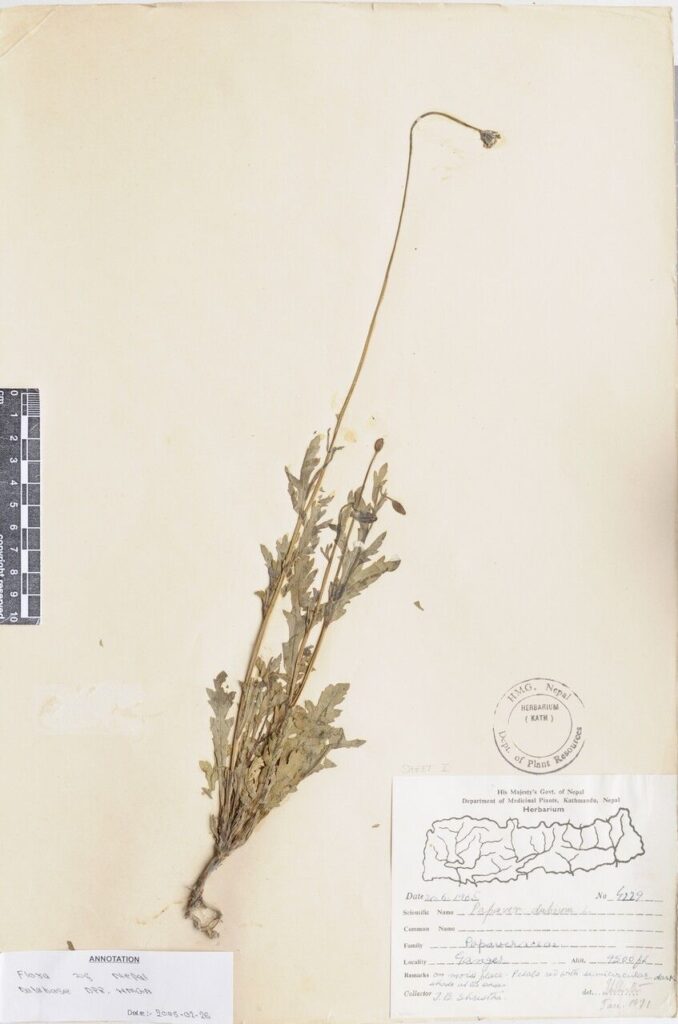
Unveiling the Poppy’s Secret: How to Grow Papaver Glabrum From Seed
The delicate beauty of poppies captivates hearts worldwide, and the Papaver glabrum, also known as the Smooth Poppy, is no exception. This charming annual, native to Turkey and the Caucasus, boasts vibrant scarlet petals with a contrasting black heart, adding a splash of drama to any garden. While these poppies may seem fleeting, their beauty can be prolonged through successful propagation. Intrigued? Let’s uncover the secrets of growing Papaver glabrum from seed.
Timing is Everything: When to Sow
Papaver glabrum thrives in cool weather, making both spring and fall ideal sowing seasons. For a burst of color in late spring, sow seeds directly outdoors after the last frost. If you’d prefer blooms gracing your autumn garden, aim to sow seeds in late summer or early fall.
Preparing the Stage: Ideal Sowing Conditions
These poppies prefer full sun to partial shade, so choose a location that receives at least 4-6 hours of sunlight daily. Well-draining soil is crucial to prevent waterlogging, which can be detrimental to seedling growth.
Sowing for Success: Techniques that Guarantee Germination
Papaver glabrum seeds are tiny, so direct sowing is the preferred method. Follow these steps for optimal germination:
- Prepare the Soil: Lightly rake the planting area to loosen the top inch of soil.
- Sow the Seeds: Scatter seeds thinly over the prepared soil. There’s no need to bury them as they need light to germinate.
- Water Gently: Mist the area with water, ensuring the soil is moist but not waterlogged.
- Be Patient: Germination typically takes 10-21 days. Keep the soil consistently moist during this period.
Thinning for Strength: Ensuring Healthy Growth
Congratulations! You’ve successfully germinated your Papaver glabrum seeds. Now, it’s time to thin the seedlings to ensure healthy growth. Once they reach about 2-3 inches tall, thin them to be about 6-8 inches apart. Pinch or snip off excess seedlings at the soil level, allowing the remaining plants ample space to thrive.
Minimal Maintenance, Maximum Beauty
Once established, Papaver glabrum requires minimal care. Water moderately, especially during dry spells. Deadheading spent flowers will encourage a longer blooming period.
Sharing the Floral Bounty: Seed Collection
As the vibrant blooms fade, seed pods will form, filled with the promise of future poppies. Allow the pods to dry completely on the plant. You’ll hear the seeds rattling inside when they’re ready. Snip off the pods and store the seeds in a cool, dry place until the next sowing season.
Beyond the Bloom: The Circle of Life Continues
Papaver glabrum is a prolific self-seeder. Leave a few seed pods on the plant, and you’ll be delighted to find new seedlings emerging the following year. This cycle of life adds an element of effortless beauty to your garden.
A Final Word
Growing Papaver glabrum is a rewarding experience, offering a captivating display of color with minimal effort. By following these propagation tips, you can enjoy these stunning poppies year after year, transforming your garden into a vibrant oasis.