
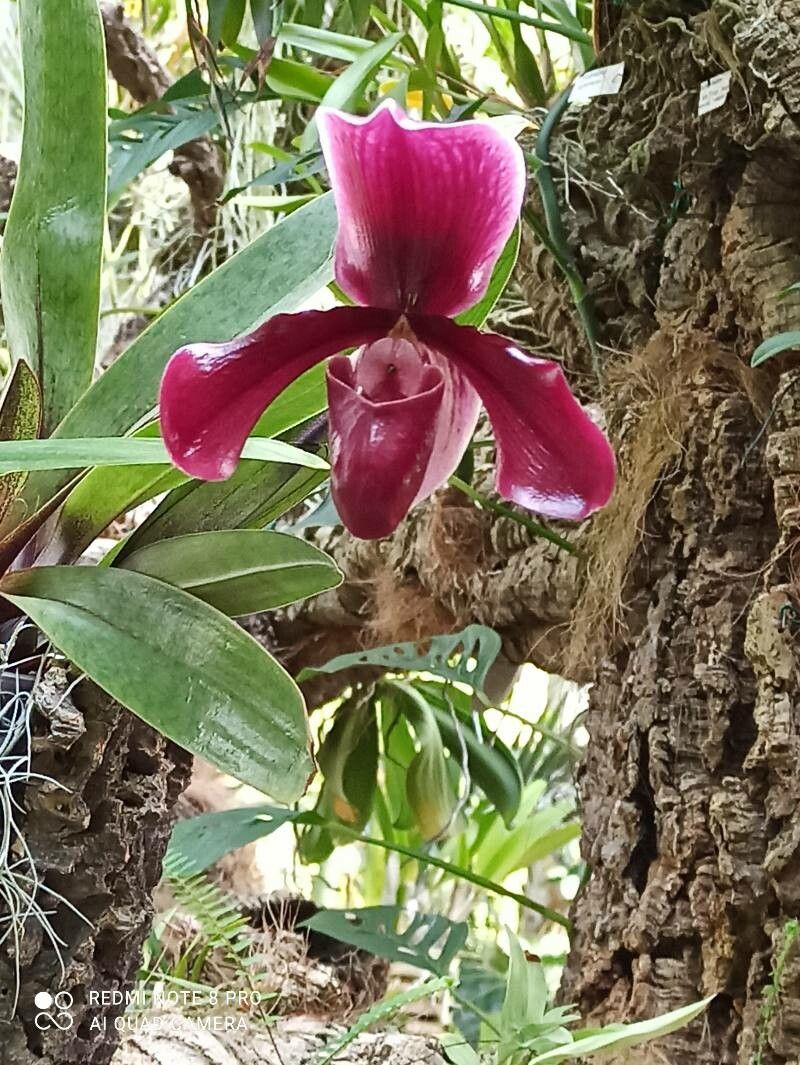
Unveiling the Secrets: How to Propagate the “Lady’s Slipper” Orchid (Paphiopedilum charlesworthii)
The captivating Paphiopedilum charlesworthii, famously known as the “Lady’s Slipper” orchid, is a prized bloom that graces many a windowsill. But what if you could share this beauty with others? While Paphiopedilums are typically propagated through division, there are other methods that can work too. Let’s delve into the world of Paphiopedilum charlesworthii propagation and uncover the secrets to success!
Division: The Tried and True Method
For Paphiopedilum charlesworthii, division is the most reliable method. This involves carefully separating a mature plant into smaller divisions, each with its own roots and growth points. Here’s how to successfully divide your Lady’s Slipper:
- Timing is Key: The best time for division is after the flowering period, typically during the spring. This ensures the plant can recover before the growing season begins.
- Preparation is Essential: Choose a well-draining potting mix specially formulated for orchids. Sterilize your tools to prevent infections.
- The Division Process: Carefully remove the plant from its pot. Gently separate the divisions by hand, ensuring each has a healthy root system and at least two or three growth points.
- Repotting: Carefully repot the divisions into individual containers using the orchid mix. Provide adequate moisture and humidity and avoid direct sunlight.
Propagation through Seed: A Challenging But Rewarding Journey
Growing Paphiopedilum charlesworthii from seed is possible but a challenge. The seeds are extremely fine and lack an endosperm, meaning they need a symbiotic relationship with a specific fungus for germination.
- Specialized Media: Obtain sterile agar-based media formulated for orchid seed germination. This media contains the necessary nutrients and fungal partner for seed development.
- Sterile Environment: Maintain a sterile environment to prevent contamination.
- Patience is Virtue: Seed germination can take several months, and it can take years before the seedlings bloom.
Tissue Culture: A Lab-Based Method
Tissue culture is a sophisticated technique used by professionals. It involves cultivating a tiny piece of plant tissue in a controlled environment containing nutrient-rich media. This produces clones of the original plant, ensuring identical genetic material.
- Specialized Facilities: Tissue culture requires specialized labs and equipment.
- A Controlled Environment: The process takes place in a sterile environment with controlled humidity, temperature, and light.
- Fast Multiplication: Tissue culture produces a large number of identical plants in a shorter time.
Caring for Your Propagated Plantlets
Whether propagated through division or other methods, the young plants need careful attention to thrive. Provide a well-draining potting mix, consistent humidity, and indirect light. Avoid over-watering and fertilize sparingly. It’s crucial to mimic their natural habitat to achieve successful growth.
Final Thoughts
Propagating Paphiopedilum charlesworthii, while requiring patience and care, can be a rewarding experience. Whether you choose the tried-and-true method of division or venture into the more demanding world of seed propagation, remember to provide the right environment and you will be rewarded with stunning “Lady’s Slipper” orchids for years to come.