
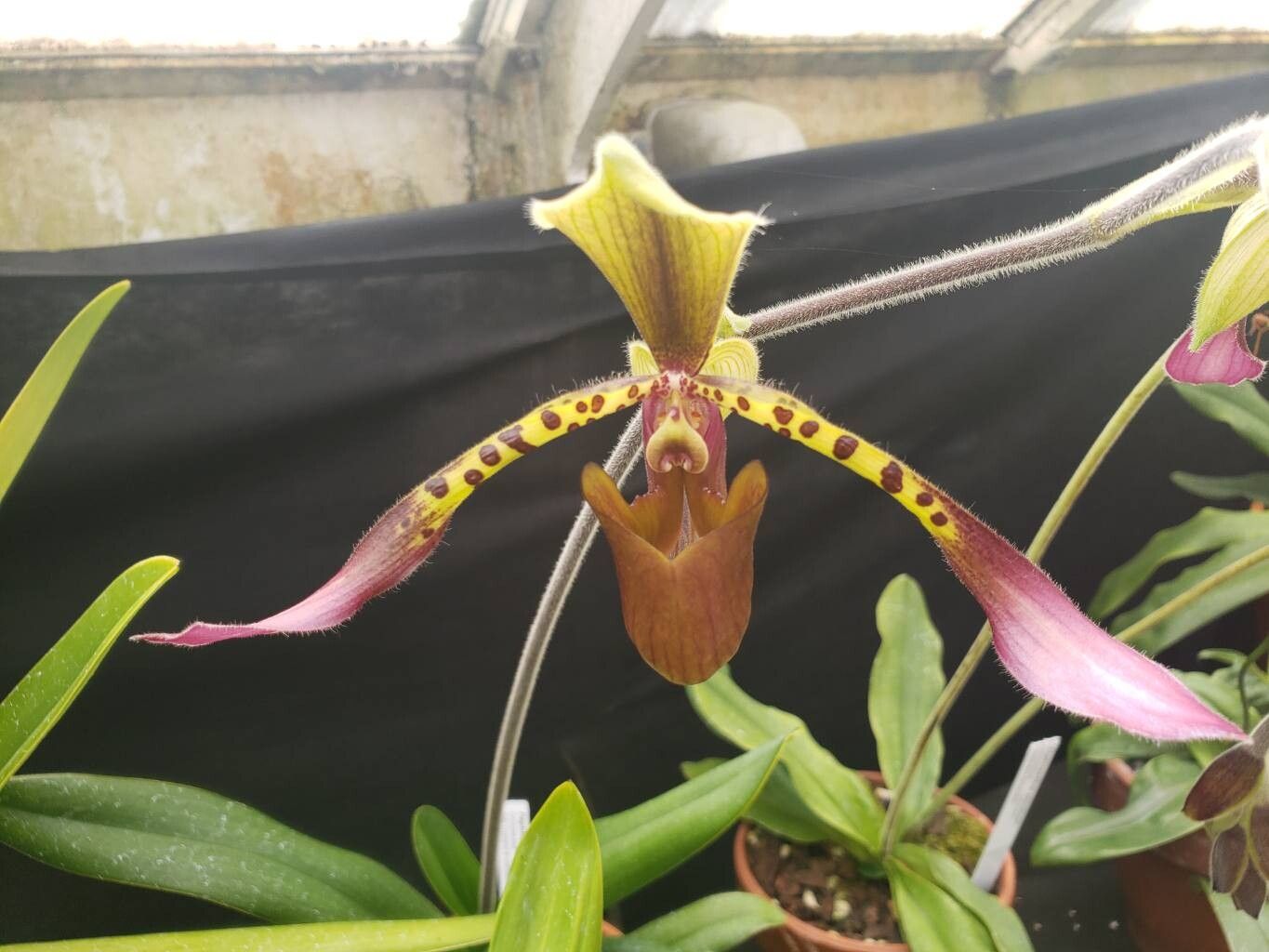
Unveiling the Secrets of Paphiopedilum Vejvarutianum Propagation: A Guide for Orchid Enthusiasts
Paphiopedilum vejvarutianum, with its striking striped petals and unique pouch, is a prized orchid among collectors. This stunning species, native to Vietnam, is not only beautiful but also presents a rewarding challenge for those interested in expanding their orchid family through propagation. While it might sound intimidating, understanding the nuances of Paphiopedilum vejvarutianum propagation can turn any orchid enthusiast into a confident cultivator.
Division: The Most Common Approach
Unlike some orchids that can be propagated from seed, Paphiopedilum vejvarutianum, being a slipper orchid, is primarily propagated through division. This method involves separating mature plants that have developed multiple growths or “divisions”.
Here’s what you need to know:
- Timing is Key: Ideally, division should be carried out when the plant is actively growing, typically during spring or early summer. This ensures the divided sections have the best chance to establish themselves.
- Careful Separation: Using a sterilized, sharp cutting tool, carefully separate the plant into sections, each containing at least 3-4 healthy growths and a well-developed root system.
- Potting Medium and Care: Plant each division into a well-draining orchid mix specifically designed for Paphiopedilums. Maintain a humid environment and provide bright, indirect light. Water when the potting mix approaches dryness.
Beyond Division: Exploring Alternative Methods
While division remains the most common and accessible method, adventurous cultivators can delve into more advanced techniques:
- Mericloning: This laboratory-based method involves tissue culture, where a small piece of plant tissue is used to grow genetically identical copies of the parent plant. This specialized technique is often used commercially to produce a large number of clones.
- Seed Germination (Advanced): Germinating Paphiopedilum seeds requires sterile conditions and a symbiotic fungus found in their natural environment. This method is quite complex and usually only undertaken by experienced growers or commercial nurseries.
Patience is a Virtue: Nurturing Your New Growths
Regardless of the chosen propagation method, patience is paramount. It can take several years for newly divided or propagated Paphiopedilum vejvarutianum plants to reach flowering maturity. During this period, providing optimal care with consistent watering, appropriate fertilization, and ideal light and humidity levels is crucial.
Troubleshooting Tips:
- Root Rot: Ensure your potting mix is well-draining and avoid overwatering.
- Yellowing Leaves: Could indicate inadequate light or nutrient deficiency. Adjust lighting conditions and consider a balanced orchid fertilizer.
- Pests: Inspect regularly for common pests like spider mites and mealybugs. Treat promptly if detected.
Successfully propagating Paphiopedilum vejvarutianum is an accomplishment that comes with a sense of satisfaction and allows you to share the beauty of this unique orchid with others. So, why wait? Embrace the challenge and embark on your propagation journey today!