
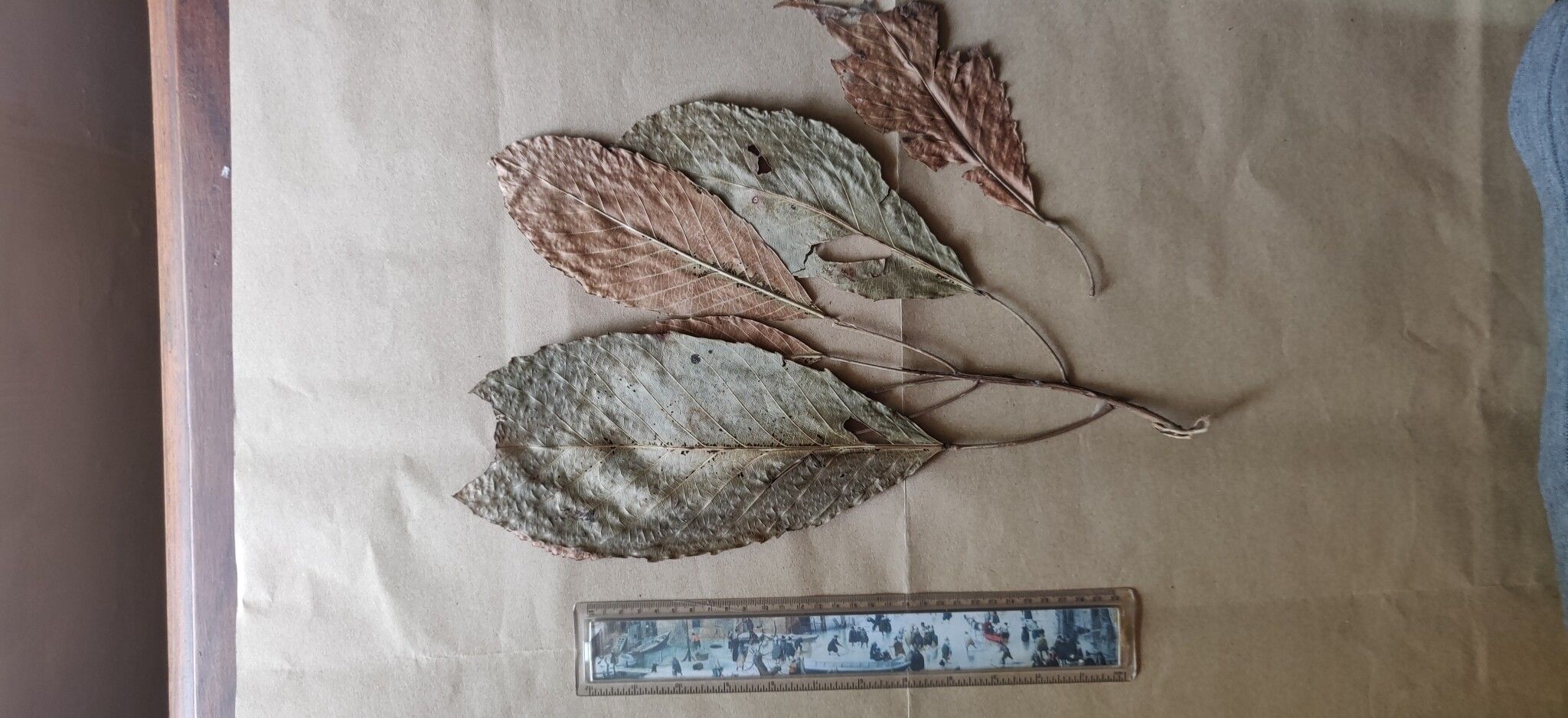
Unlocking the Secrets of Propagating the Weeping Croton: A Step-by-Step Guide
The Weeping Croton (Paracroton pendulus) is a showstopper in the plant world, known for its cascading foliage and vibrant, variegated leaves. But what if you could share this beauty with others, or grow your own lush collection from just a single cutting?
This blog post will guide you through the exciting world of propagating your Weeping Croton, offering you the chance to expand your plant family while mastering a valuable gardening skill.
Understanding the Basics of Propagation
Propagation is the process of creating new plants from existing ones. For the Weeping Croton, we’ll be focusing on two popular methods: stem cuttings and air layering.
Stem Cuttings: A Simple Approach
- Time is Key: The best time to take stem cuttings is during the spring or summer when the plant is actively growing.
- Selecting the Cuttings: Choose healthy, non-flowering stems that are at least 4 inches long. Look for stems with several nodes (the bumps where leaves grow).
- Making the Cut: With sharp, clean scissors or a knife, make a slanted cut just below a node.
- Prepare the Cutting: Remove the bottom leaves and dip the cut end in rooting hormone powder to encourage root growth.
- Potting Up: Plant the cutting in a pot filled with a well-draining potting mix. The nodes should be buried about an inch deep.
- Water and Care: Keep the soil consistently moist, but avoid overwatering. Provide bright, indirect light and a warm environment.
Air Layering: A More Intricate but Effective Technique
- Choosing the Stem: Select a healthy, pliable stem that is about a foot from the top of the plant.
- Making the Cut: Using a sharp, sterile knife, make a cut about 3/4 of the way through the stem.
- Promoting Roots: Insert a small piece of rooting hormone into the cut, and wrap the area with moist sphagnum moss. Secure the moss with plastic wrap or aluminum foil.
- Patience is Key: Keep the moss moist and allow the roots to develop. This can take several weeks to a few months.
- Time to Separate: Once roots have formed, carefully cut above and below the air layer and pot the new plant in fresh potting mix.
Tips for Success
- Choose the Right Potting Mix: A well-draining mix, such as a combination of peat moss, perlite, and vermiculite, will promote root growth and prevent waterlogging.
- Mist Regularly: Regularly misting the cuttings and air layers will help maintain humidity and encourage root development.
- Provide a Warm Environment: Weeping Crotons thrive in temperatures between 65-75 degrees Fahrenheit.
- Be Patient: Propagation takes time. Don’t be discouraged if you don’t see results immediately.
Troubleshooting
- If your cuttings are wilting: Increase humidity by placing a plastic bag over the pot or using a humidifier.
- If your air-layering is failing: Ensure the moss is kept consistently damp and that the stem is getting adequate light.
Beyond Propagation
Once your new Weeping Crotons have established roots, you can repot them into larger containers and enjoy their vibrant beauty. Remember to provide them with a bright, indirect light location and water them when the top inch of soil feels dry.
Learning to propagate your Weeping Croton is a rewarding and fulfilling experience. You’ll not only be able to create stunning new plants but also gain a deeper connection with your own plant collection. So grab your tools, gather your patience, and get ready to enjoy the fruitful journey of plant propagation.