
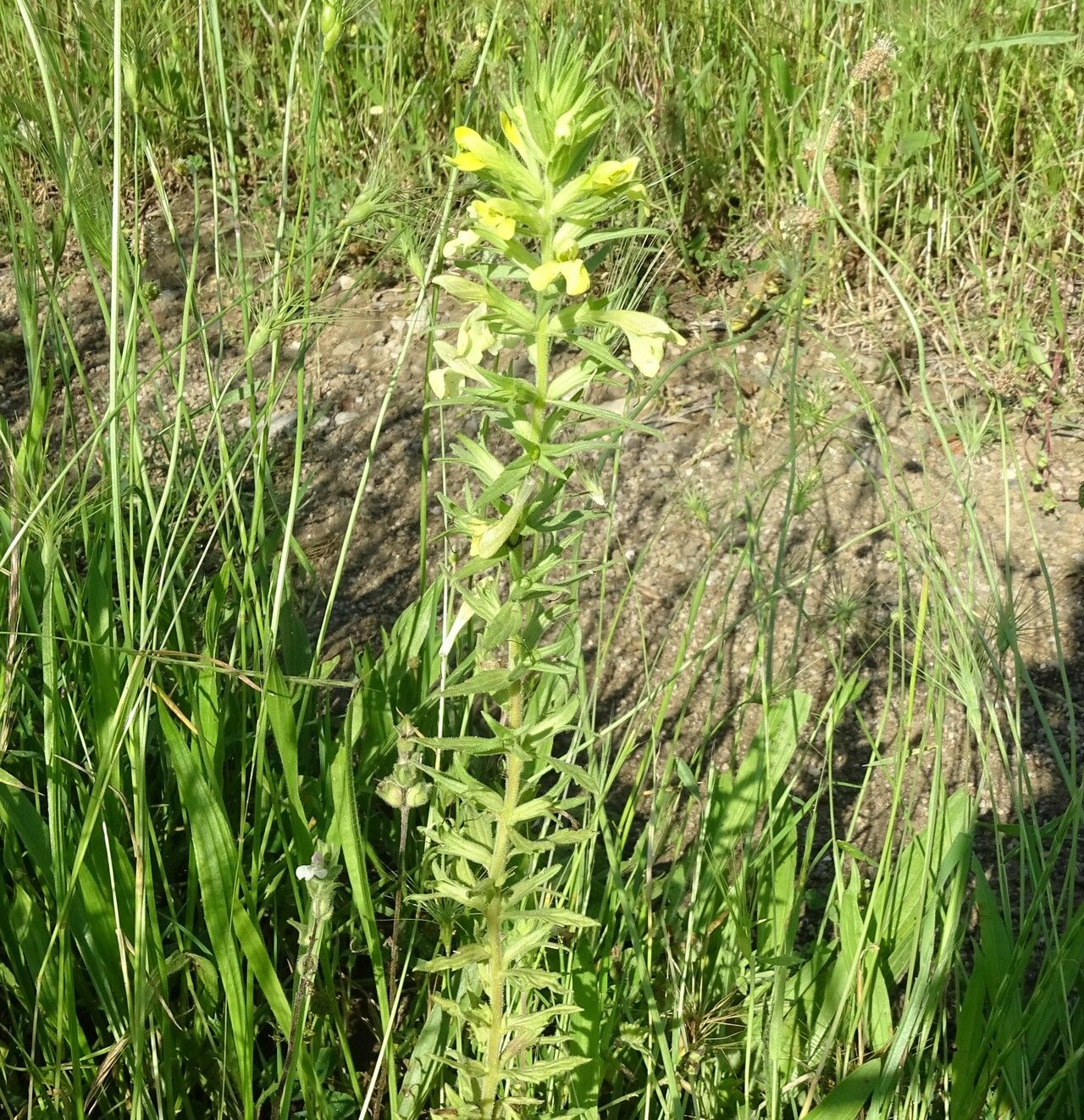
Propagating Parentucellia viscosa: A Sticky Challenge
Introduction
Parentucellia viscosa, commonly known as yellow bartsia or common yellow bartsia, is a fascinating hemiparasitic annual plant belonging to the Orobanchaceae family. Characterized by its vibrant yellow flowers and sticky, glandular hairs covering its stems and leaves, it boasts a unique aesthetic appeal that has gained it a small but dedicated following among gardeners interested in less common wildflowers and those aiming for a naturalistic garden style. However, its propagation presents several challenges, making it a rewarding yet demanding plant for the enthusiastic cultivator. Its hemiparasitic nature, meaning it partially relies on other plants for nutrients, adds a layer of complexity to its cultivation and propagation.
Seed Germination:
Currently, there are no known reliable methods for seed germination propagation of Parentucellia viscosa. While seeds are produced, their germination success rate in cultivated settings is extremely low, likely due to a combination of factors including specific mycorrhizal associations required for optimal germination and the need for particular environmental cues not easily replicated in a garden setting. Further research into the specific germination requirements is urgently needed.
Cuttings:
Cuttings are also not a viable propagation method for Parentucellia viscosa. The plant’s hemiparasitic nature and its relatively short lifespan as an annual make it unsuitable for vegetative propagation through cuttings. The cuttings are unlikely to root successfully, and even if they did, they would not survive long enough to establish themselves.
Division:
Division is not possible for Parentucellia viscosa as it is an annual plant, living only one growing season. Division requires a durable root system and the ability to regenerate from separated sections, neither of which are present in this plant.
Tissue Culture:
Tissue culture, while potentially more promising than other methods, is currently untested for Parentucellia viscosa. The success of this technique would require significant research to determine the optimal medium, hormones, and sterile conditions needed for successful shoot proliferation and subsequent plantlet development. This approach offers the greatest potential for overcoming the challenges of propagation, allowing for controlled growth and potentially large-scale propagation, but requires specialized equipment and expertise.
Conclusion:
Propagating Parentucellia viscosa presents significant challenges across all conventional methods. While seed germination and vegetative propagation techniques are currently unviable, tissue culture remains a potential avenue for future exploration. The rewards, however, are significant. Successfully propagating this unique plant from seed (if a method is ever reliably discovered) or through tissue culture would be a considerable achievement, adding a touch of rare beauty to a garden. The difficulties involved only serve to amplify the sense of accomplishment felt upon witnessing this sticky, sun-loving wildflower thrive under your care.
For aspiring propagators, patience and open-mindedness are essential. While the current lack of reliable methods might initially be discouraging, the potential for future breakthroughs in tissue culture or a deeper understanding of the plant’s germination requirements could soon make the cultivation of Parentucellia viscosa more accessible. The unique beauty and challenge presented by this plant make it a worthwhile subject for continued study and experimentation.