
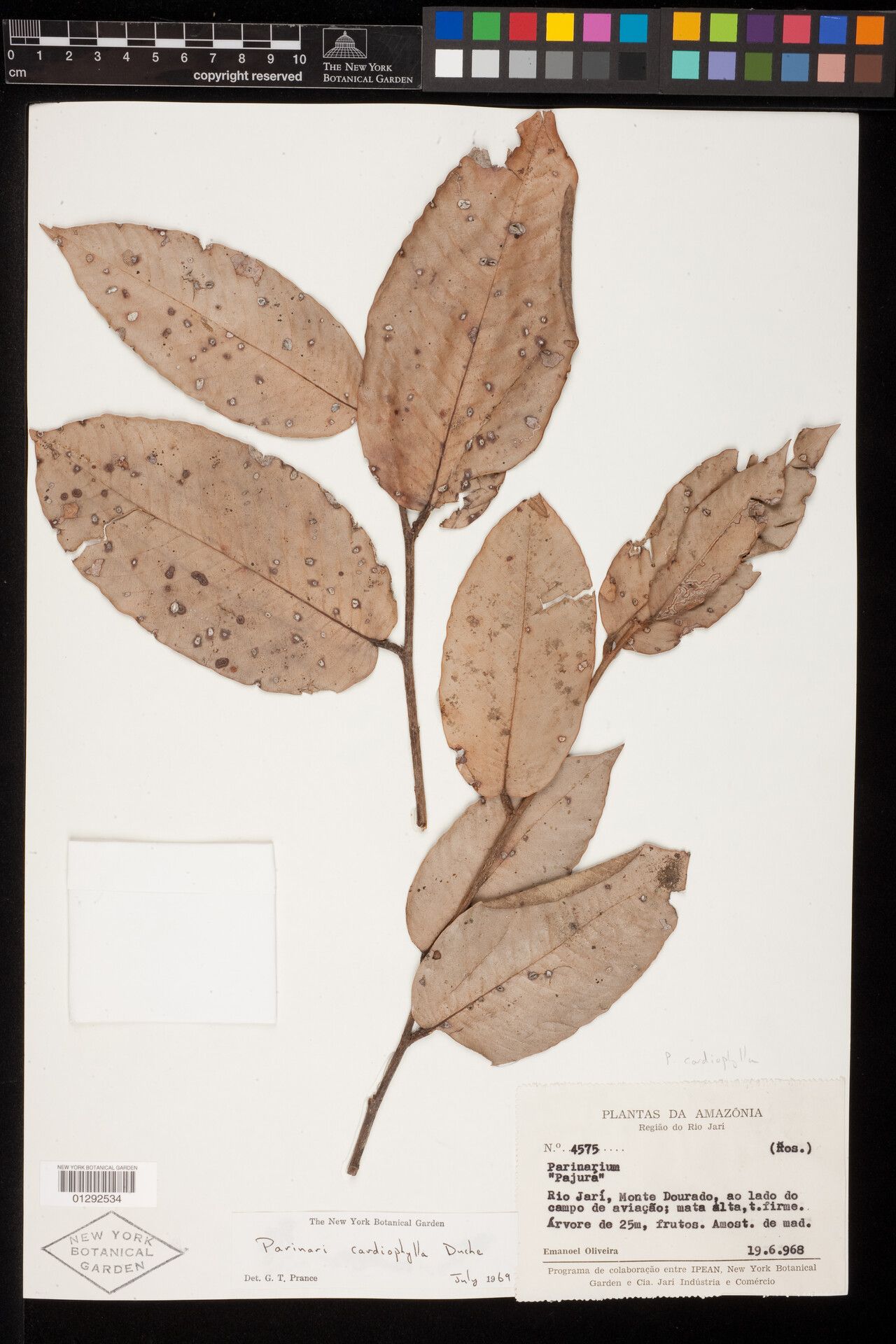
Unlocking the Secrets of the Guinea Plum: A Guide to Propagating Parinari cardiophylla
The Guinea Plum (Parinari cardiophylla), a majestic tree native to the tropical rainforests of Africa, is not just a feast for the eyes but also a vital source of sustenance and traditional medicine for local communities. With its glossy leaves, fragrant blossoms, and nutritious fruit, it’s a tree worth celebrating and cultivating. But how do you propagate this tropical marvel?
While information on propagating Parinari cardiophylla is limited, we can draw from successful propagation techniques used for similar fruit-bearing trees in the same family (Chrysosobalanaceae) and its natural reproductive patterns.
Method 1: Seed Propagation – Embracing Nature’s Design
The most common method of propagating Parinari cardiophylla is through seeds. Here’s a step-by-step guide:
- Seed Collection: Harvest ripe fruits directly from the tree. Look for fruits that are plump, have changed color (usually to a reddish or purplish hue), and detach easily from the branch.
- Seed Extraction & Cleaning: Carefully extract the seeds from the fleshy fruit pulp. It’s crucial to remove any remaining pulp as it can harbor fungal growth that hinders germination. Rinse the seeds thoroughly and allow them to air dry for a day or two.
- Pre-treatment (Optional): To enhance germination rates, consider these pre-treatments:
- Scarification: Gently rub the seed coat with sandpaper or a file to break its dormancy.
- Warm Water Soaking: Soak the seeds in warm water for 24 hours.
- Sowing: Plant the seeds in a well-draining potting mix, ideally a mixture of peat moss, perlite, and vermicast. Sow the seeds about 1-2 inches deep and water gently.
- Environment: Mimic the natural rainforest habitat by providing a warm and humid environment. Consider using a humidity dome or placing the seed tray in a warm, shaded area.
- Patience is Key: Germination can be slow and might take several weeks or even months. Be patient, maintain consistent moisture, and ensure adequate indirect sunlight.
Method 2: Vegetative Propagation – Cloning for Faster Results
While not as extensively documented, vegetative propagation methods like cuttings offer an alternative route:
- Cuttings: Select healthy, semi-hardwood cuttings from mature branches during the growing season. Treat the cut ends with rooting hormone and plant them in a moist, well-draining rooting medium.
- Air Layering: While more complex, this technique involves stimulating root growth on a branch while it’s still attached to the parent tree. Once sufficient roots develop, the branch is removed and planted.
Challenges and Considerations
Propagating Parinari cardiophylla can be challenging due to limited research and potential difficulties with seed germination. Be prepared for a potentially lengthy process and experiment with different techniques to find what works best in your environment.
Conserving a Tropical Treasure
By successfully propagating Parinari cardiophylla, we contribute to the conservation of this valuable tree species. Whether you’re a seasoned gardener or a curious beginner, we encourage you to embark on this rewarding journey and help preserve this tropical gem for generations to come.