
Unraveling the Secrets of Paris Polyphylla Propagation: A Guide to Growing this Unique Plant
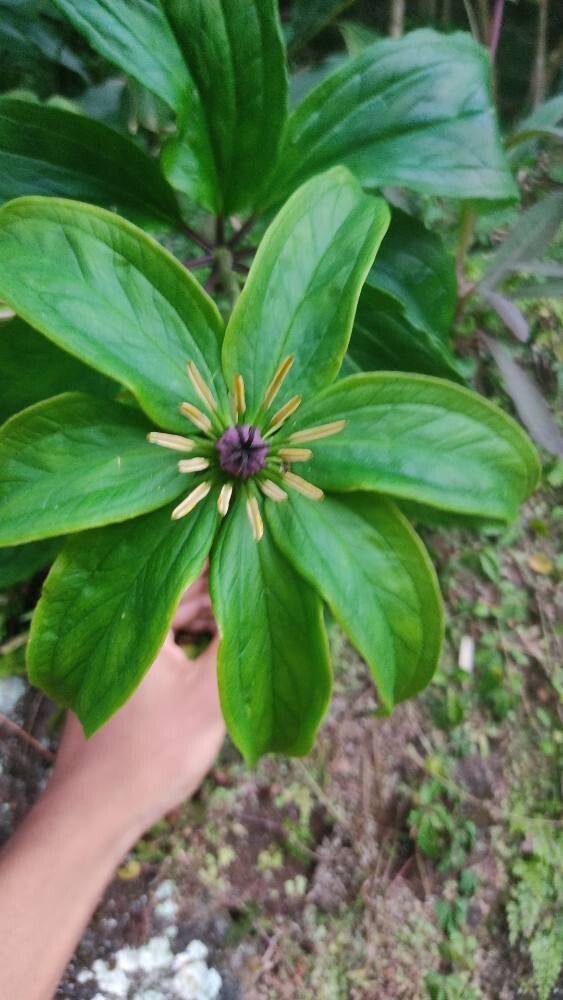
The Paris polyphylla, also known as the “Herb Paris,” is a captivating plant admired for its distinctive whorl of leaves and solitary, dark-green flowers. This member of the Melanthiaceae family is a true beauty, but its propagation can seem a bit perplexing. Today, we’ll unravel the secrets of growing this intriguing species, making it accessible to even the most novice gardeners.
The Challenges of Propagation:
Paris polyphylla is notoriously difficult to propagate. Its seeds are small, have a long dormancy period, and often require specialized conditions for germination. Additionally, the plant’s rhizomatous nature makes vegetative propagation a bit trickier than with some other species.
- From Seed:
- Collecting Seeds: Gather seeds from mature, dark-purple berries. Clean them carefully and store them in a cool, dry place.
- Stratification: Paris polyphylla seeds require a period of cold stratification. Mix seeds with a moist medium like vermiculite or peat moss and place them in a refrigerator for a few months.
- Sowing: After stratification, sow seeds on the surface of a well-drained seed-starting mix. Maintain consistent moisture and a warm temperature (65-75°F).
- Patience: Be patient, as germination may take several months.
- Division: This method is best attempted in the spring or early summer after the plant has established itself.
- Carefully dig up: Gently dig around the plant to expose the rhizomes.
- Divide the rhizome: Use a sharp knife to divide the rhizome into sections, ensuring each section has at least one growing point.
- Replant: Plant the divided sections immediately in a well-prepared planting site.
- Tissue Culture: This method is more commonly used by professional growers and involves cultivating plant cells in a sterile environment. It offers the potential for rapid propagation but is often complex and requires specialized equipment.
Cultivation Tips for Success:
- Light: Paris polyphylla prefers a shady spot with dappled sunlight. Avoid direct sunlight, which can scorch the delicate leaves.
- Soil: The plant thrives in moist, well-drained soil rich in organic matter.
- Watering: Maintain consistent moisture, ensuring the soil doesn’t dry out completely.
- Fertilizer: Feed with a balanced liquid fertilizer diluted to half strength once a month during the growing season.
- Winter Protection: In colder regions, provide a layer of mulch to protect the rhizomes from frost.
Patience is Key:
Growing Paris polyphylla requires patience and understanding. Be prepared to experiment with different propagation methods and observe your plant’s responses. While challenging, the rewards are immense – a striking and unique garden addition that will surely become the talk of the neighborhood.
Final Thoughts:
Paris polyphylla stands as a symbol of perseverance and resilience. With careful attention and a willingness to learn, even novice gardeners can master the art of propagating this fascinating plant. By following these tips, you can unlock the secrets of this captivating species and watch it grace your garden with its distinctive beauty.