
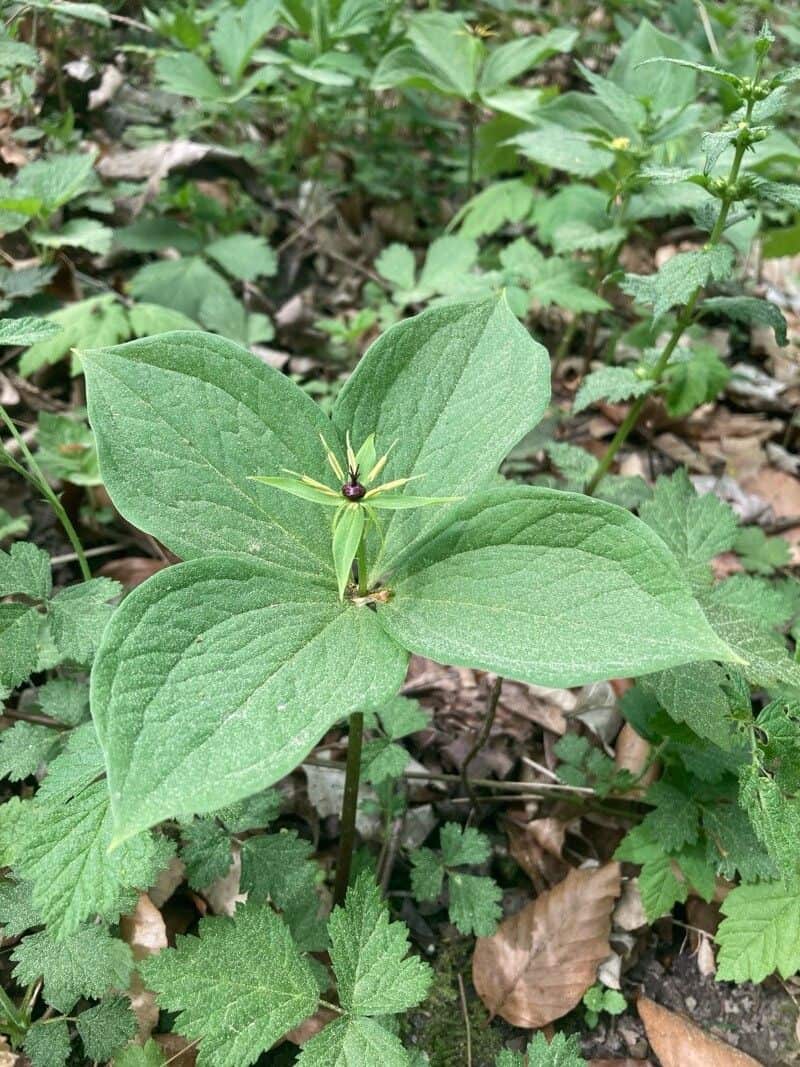
Unlocking the Secrets of Herb Paris Propagation: More Than One Way to Grow This Woodland Beauty
The Herb Paris (Paris quadrifolia), with its intriguing four-leaved whorl and solitary, jewel-like berry, is a sight to behold in the shaded tranquility of woodland gardens. While often found gracing shady corners in established gardens, many enthusiasts wonder about the secrets to propagating this unique plant. Fortunately, unlocking the mysteries of Herb Paris propagation isn’t as daunting as its enigmatic appearance might suggest. This guide delves into the two primary methods – seed propagation and division – offering you the knowledge to cultivate this woodland gem successfully.
1. Seed Propagation: A Test of Patience
Propagating Herb Paris from seed is a rewarding, albeit lengthy, endeavor. While it requires a touch of patience, the process offers a fascinating glimpse into the plant’s life cycle.
- Collecting Seeds: The single, purplish-black berry of the Herb Paris ripens in late summer or early fall. Collect ripe berries, extract the seeds, and clean off any remaining pulp.
- Sowing: Plant seeds immediately after cleaning in a well-drained seed starting mix. Surface sow, pressing them gently into the soil, and keep consistently moist.
- Cold Stratification: Mimicking nature’s rhythm is key here. Herb Paris seeds require a period of cold stratification to break dormancy and germinate successfully. Place the seed tray in a refrigerator (around 40°F) for at least 3 months.
- Patience is Key: Germination can be erratic, often taking several months or even stretching into the following spring. Maintaining consistent moisture and providing a cool, shaded location once seedlings emerge are key to success.
2. Division: A Quicker Path to New Plants
For those seeking a quicker and often more reliable method, division provides an excellent option, particularly for established clumps of Herb Paris.
- Timing is Crucial: Early spring, just as new growth begins to emerge, presents the ideal window for dividing Herb Paris.
- Careful Excavation: Gently lift the entire clump from the ground, taking care to preserve the root system as much as possible.
- Dividing the Rhizomes: Using a sharp, clean knife or garden spade, carefully separate the rhizomes – the underground stems – ensuring each division has a healthy portion of roots and shoots attached.
- Replanting: Replant divisions at the same depth they were originally growing, spacing them about 12 inches apart. Water thoroughly and provide a layer of organic mulch to retain moisture and suppress weeds.
Nurturing Your New Herb Paris Plants:
Whether you choose the rewarding journey of seed propagation or the more immediate gratification of division, providing the right growing conditions is essential for success.
- Shady Retreats: Herb Paris thrives in dappled shade to full shade, mimicking their natural woodland habitats.
- Moist, Well-Drained Soil: Consistently moist soil rich in organic matter is crucial, but ensure it doesn’t become waterlogged.
- Low-Maintenance Beauty: Once established, Herb Paris requires minimal care. Mulching annually helps maintain soil moisture and fertility.
By embracing these propagation techniques and understanding the plant’s basic needs, you can cultivate your own enchanting colony of Herb Paris, adding a touch of woodland mystique and botanical intrigue to your garden’s tapestry.